
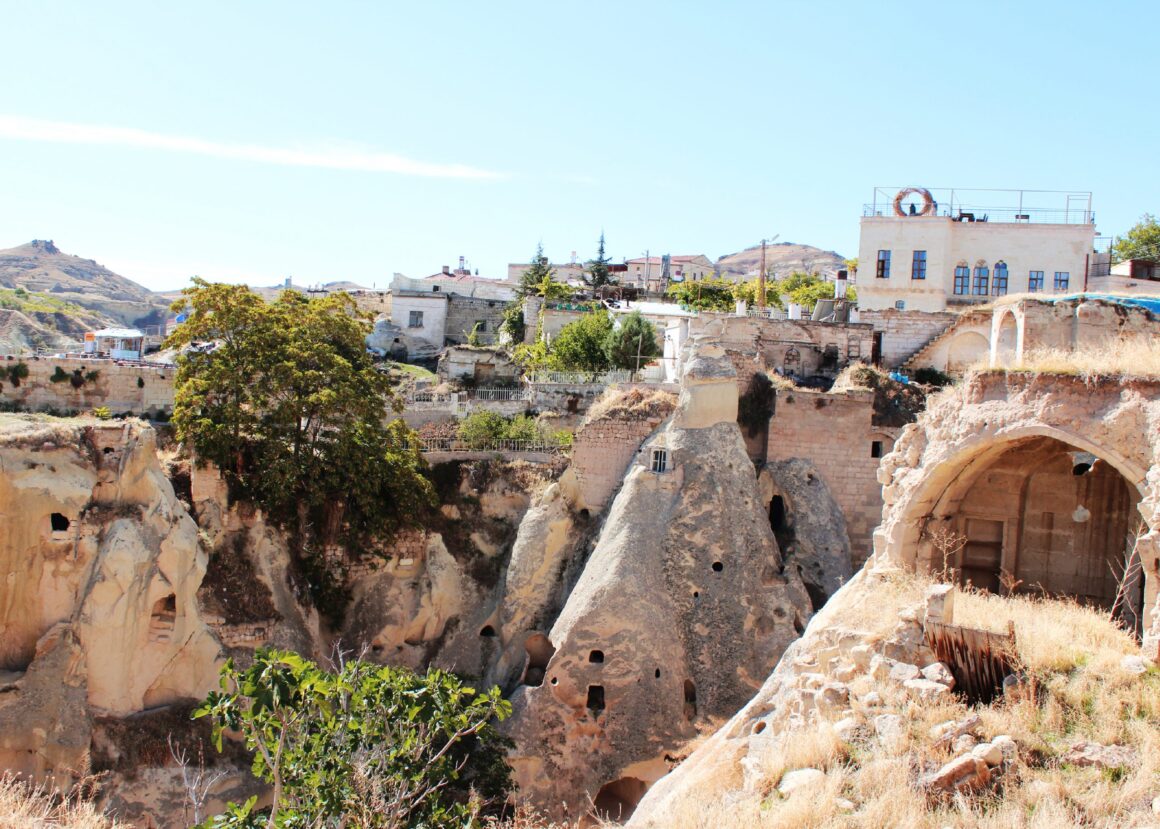
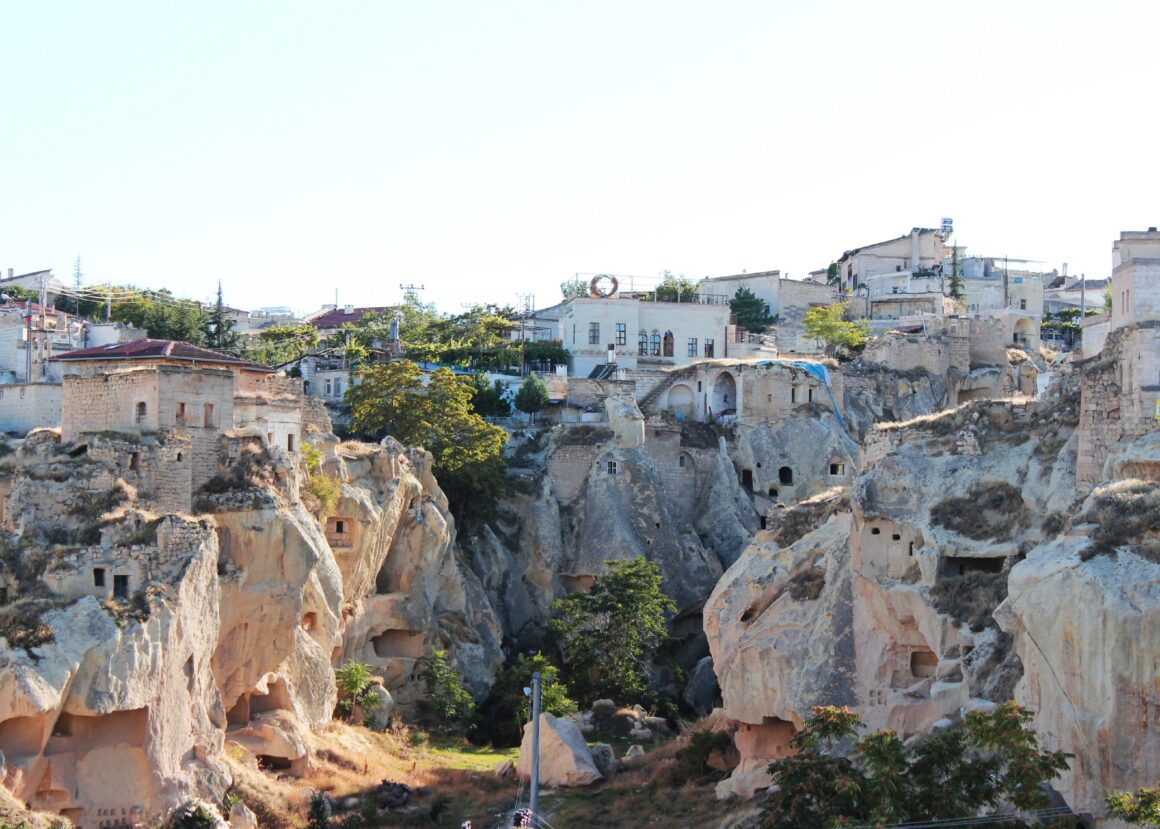
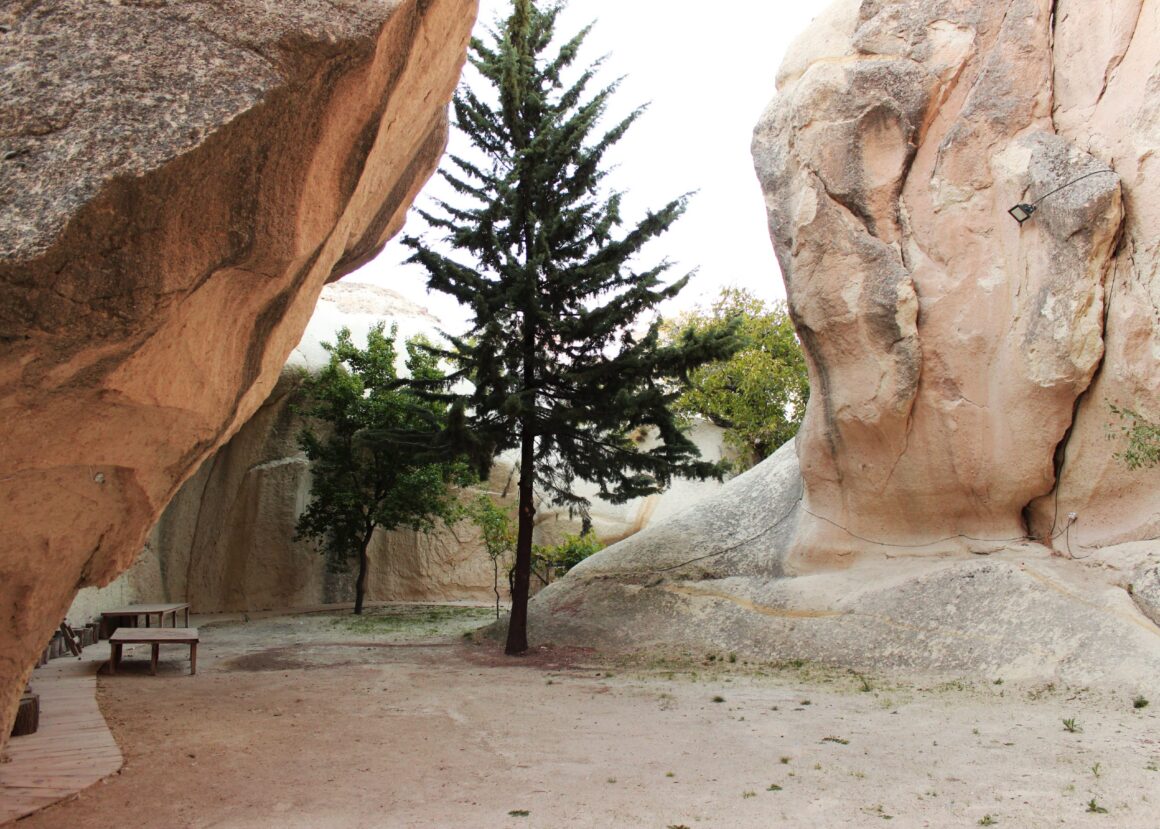
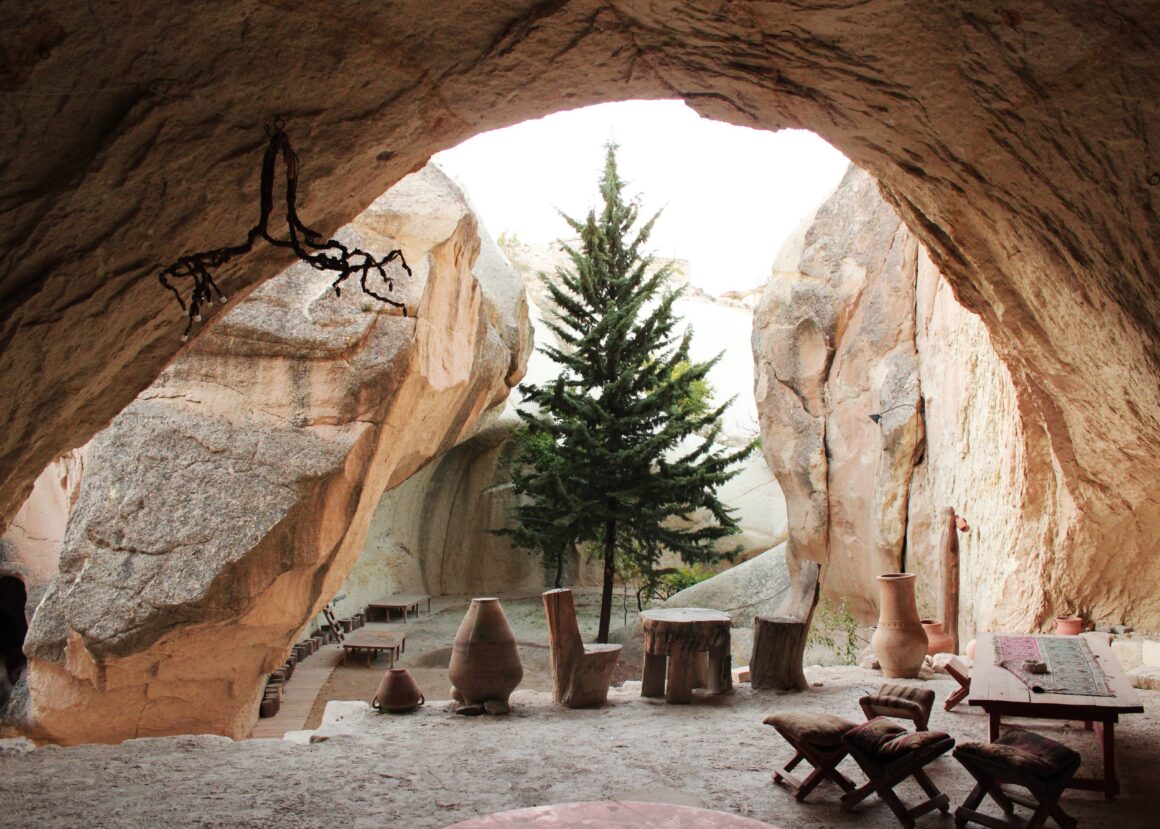
Mustafapaşa’s historical structures, which have survived to a large extent and have been preserved to a large extent, are so eye-catching; The cultural heritage it left us is so valuable that it is sometimes thought to be overshadowed by its natural beauties.
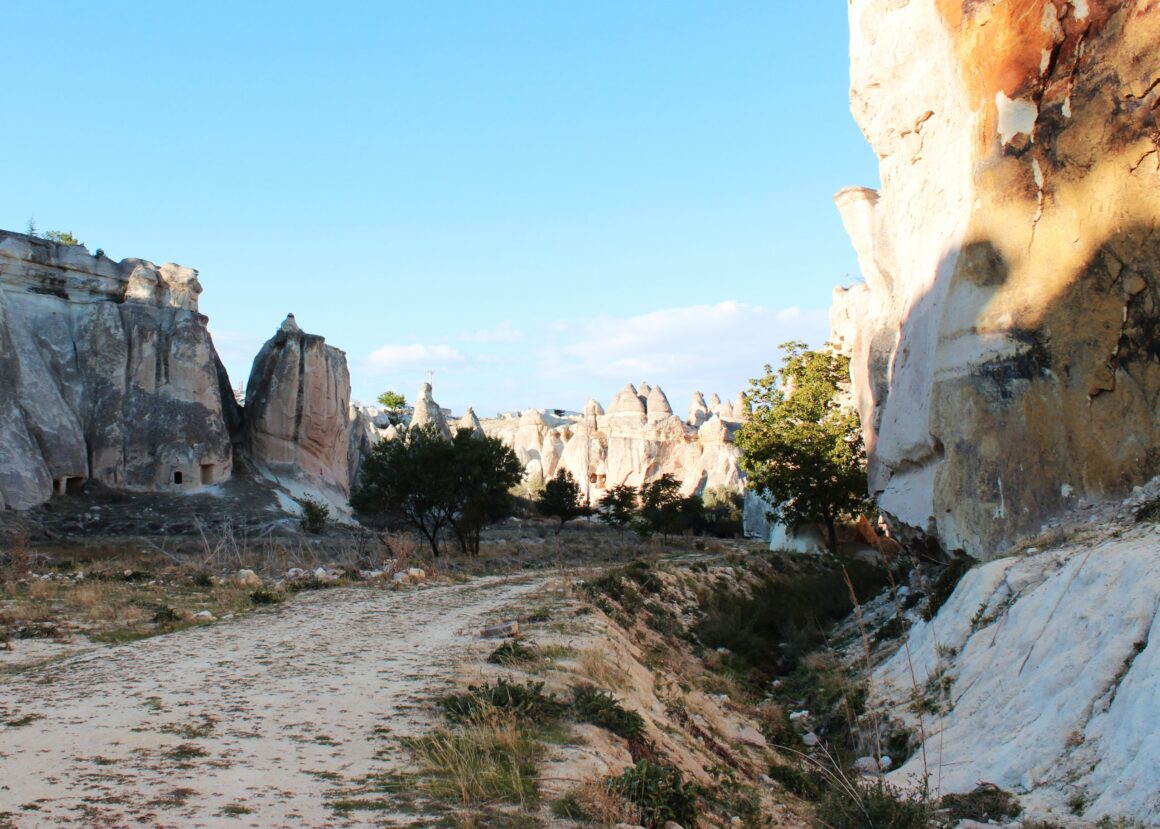
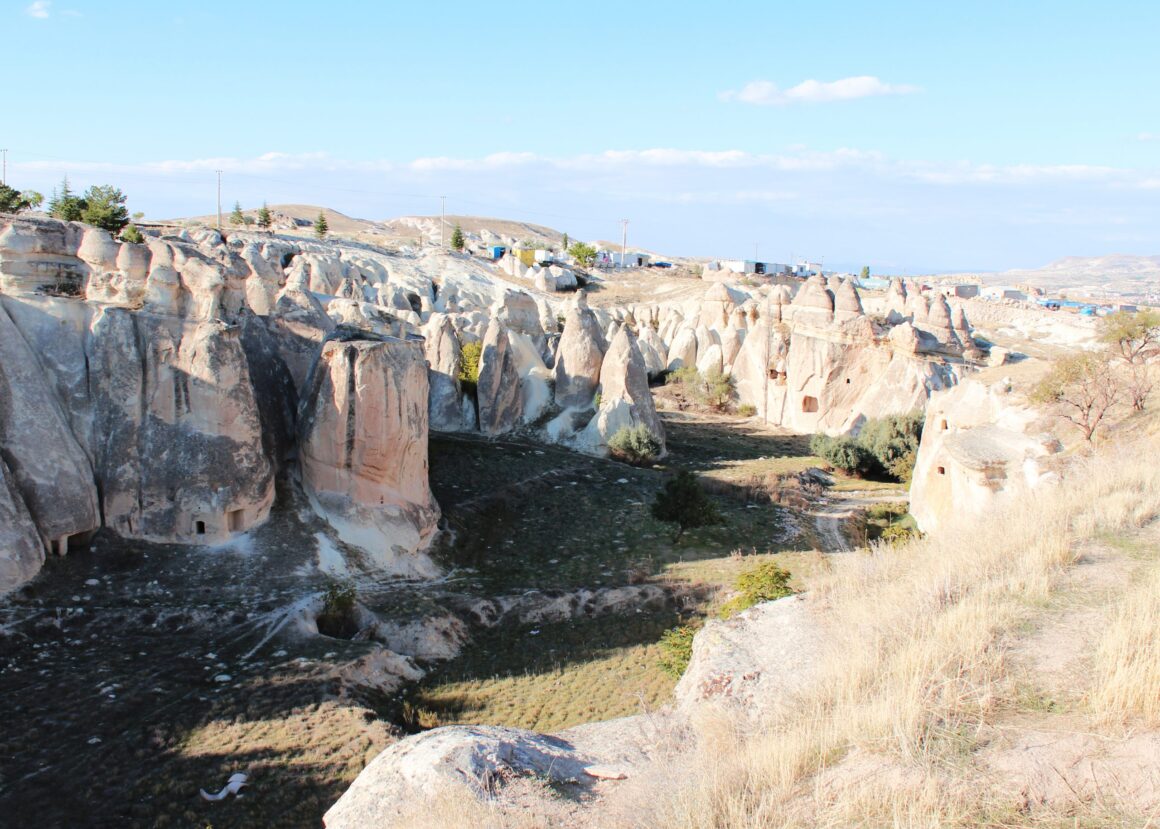
In fact, the richness of Mustafapaşa is not limited to the historical and cultural memories in its memory; As a settlement built in valleys, it also has a natural treasure. Here, it is as if “God’s art” and the art made by human hands have been integrated, resulting in harmonious images.
Serafim Rizos, who provided us with access to the most important information about the situation of Mustafapaşa before the population exchange, described the natural structure of the village and its surroundings as follows while telling his memories about the village (Balta, 2005):
“Our land was covered by huge vineyards, mountain ranges, rock clusters and endless rock valleys. Table-shaped (Rafes, Panaya), pyramid and cone-shaped mountains (Gorgoli, St. Nicholas), individual rocks with hard, dark-colored stones erected on their tops, huge rocks that are hollowed out and empty, rising alone (Ortahisar). Black, gray, white, yellowish, red, pink rocks… Hard, compassionate, Noisy, silent, heavy, tightly interlocked, soft-tempered, sullen and threatening rocks were offered to the service of people. You would have thought that Mount Erciyes had specifically vomited them and the waters had skillfully carved them into shape so that human beings could conquer and dominate them without much difficulty”.
Studies on the historical structures of the village (especially architecture) are relatively intense compared to its natural structures. Especially during our research on the village, deficiencies in this area were identified, and some studies are planned to be carried out in this context in the coming period.


