
The Rum Community in Mustafapaşa Before the Population Exchange
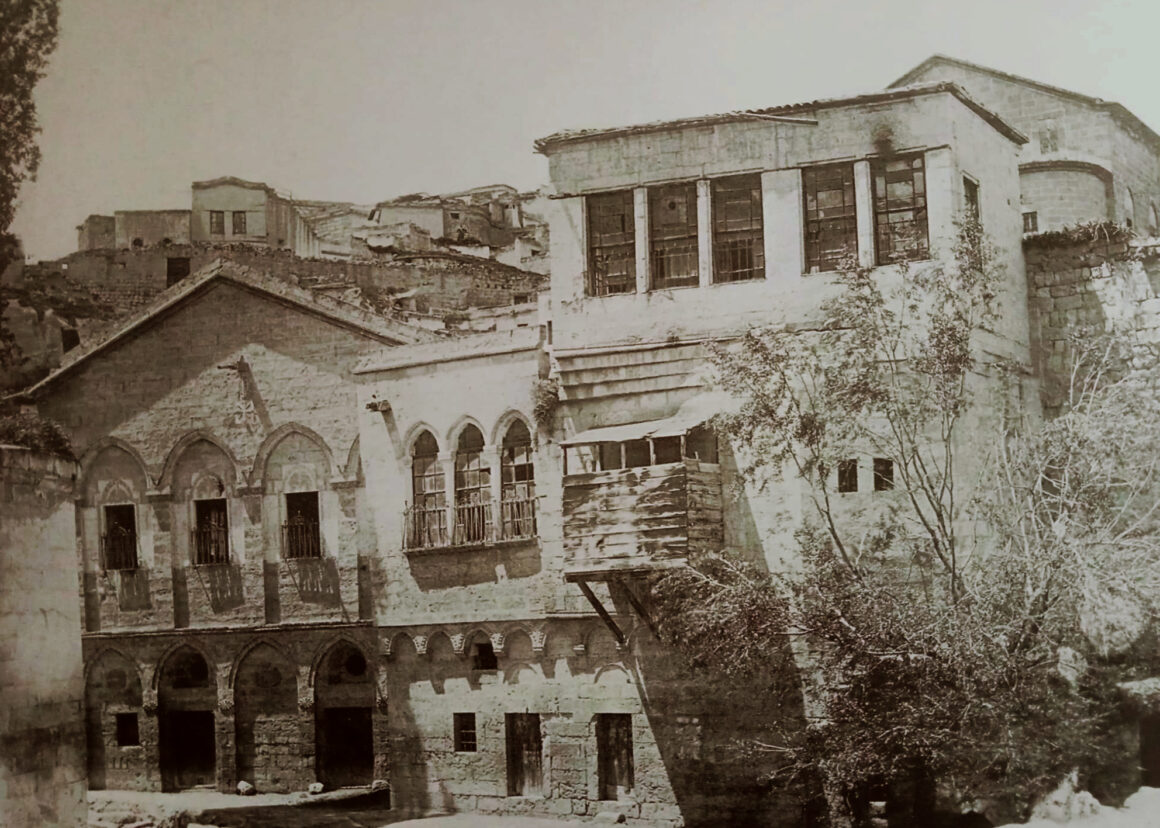
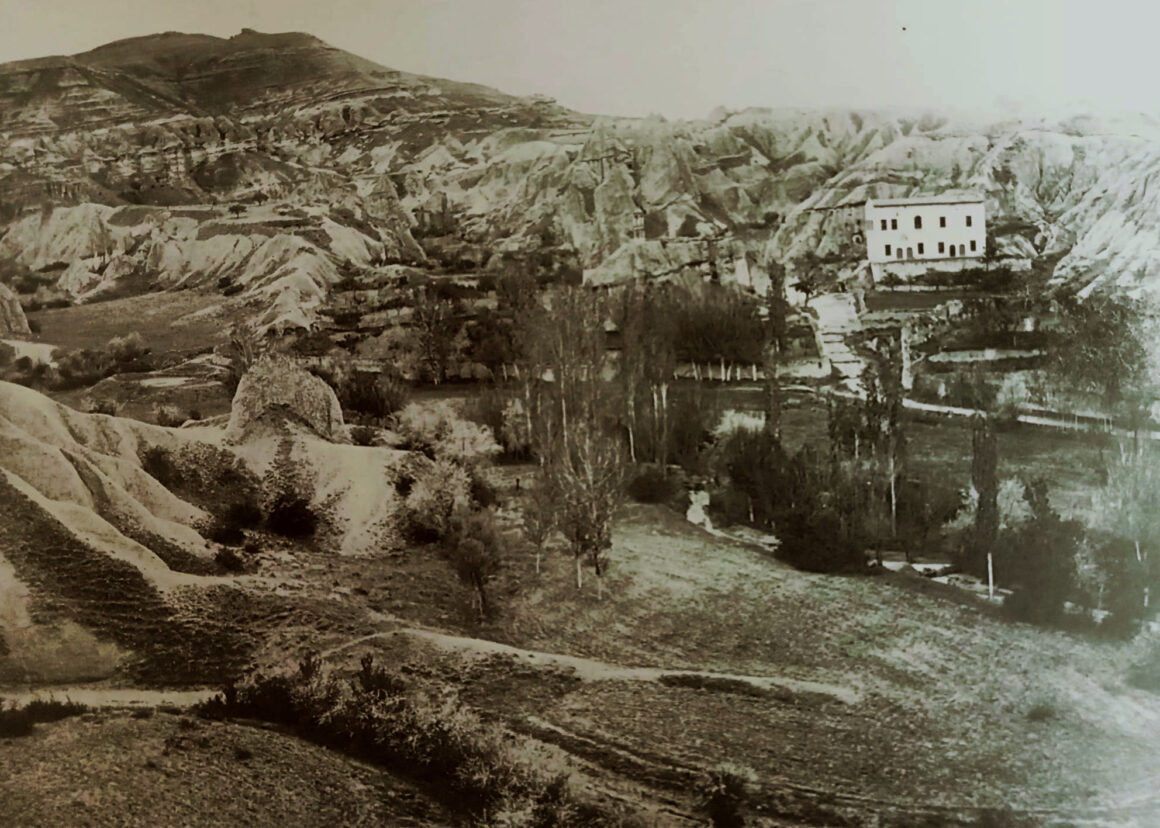
Non-Muslim citizens living under the rule of the Ottoman Empire created many civil and architectural works, along with some of their rights and freedoms, in the process arising from the political environment that started in the 18th century. Especially starting from the 19th century, development activities by Rum and Armenian citizens intensified in various centers of Anatolia, especially in Istanbul. It is seen that the Rum people in Mustafapaşa played a very important role among the Orthodox Greeks in this process and built valuable architectural works. The fact that many of these works have survived to the present day is the best indication that the atmosphere of tolerance that existed in the Ottoman Empire was also continued in the Republic of Türkiye.
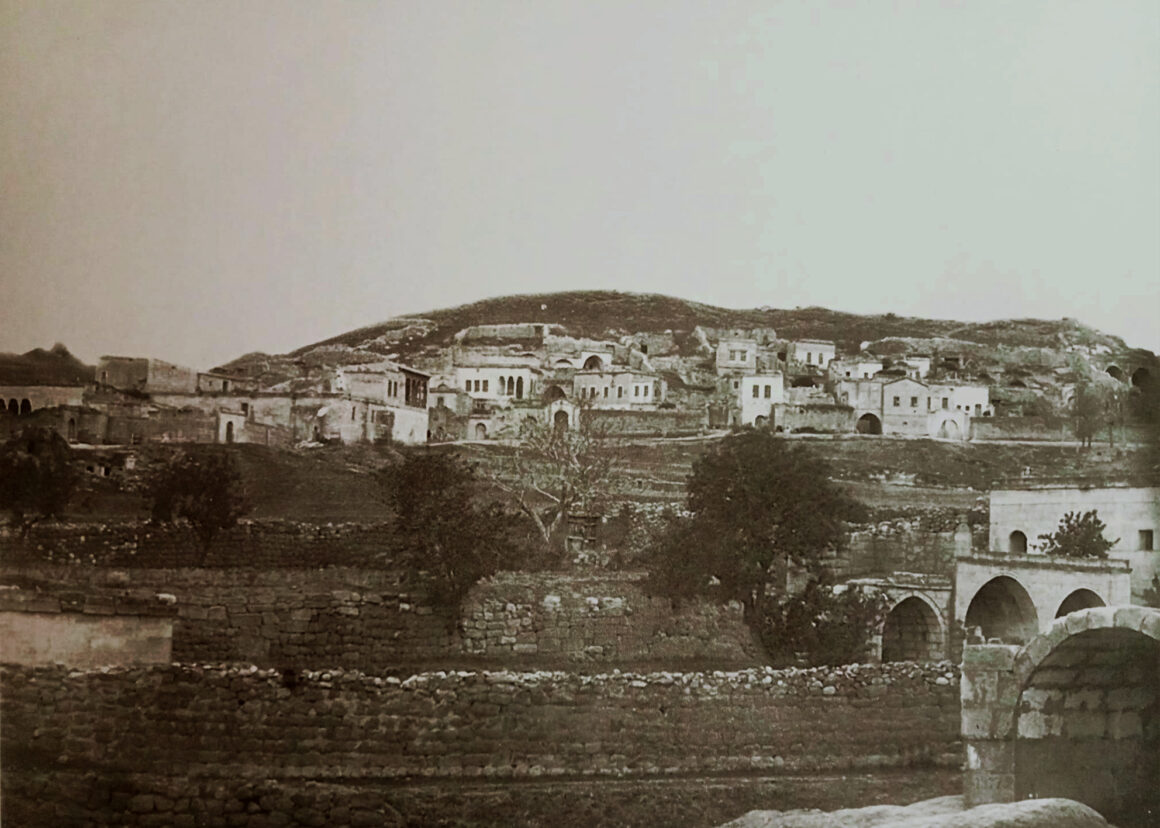
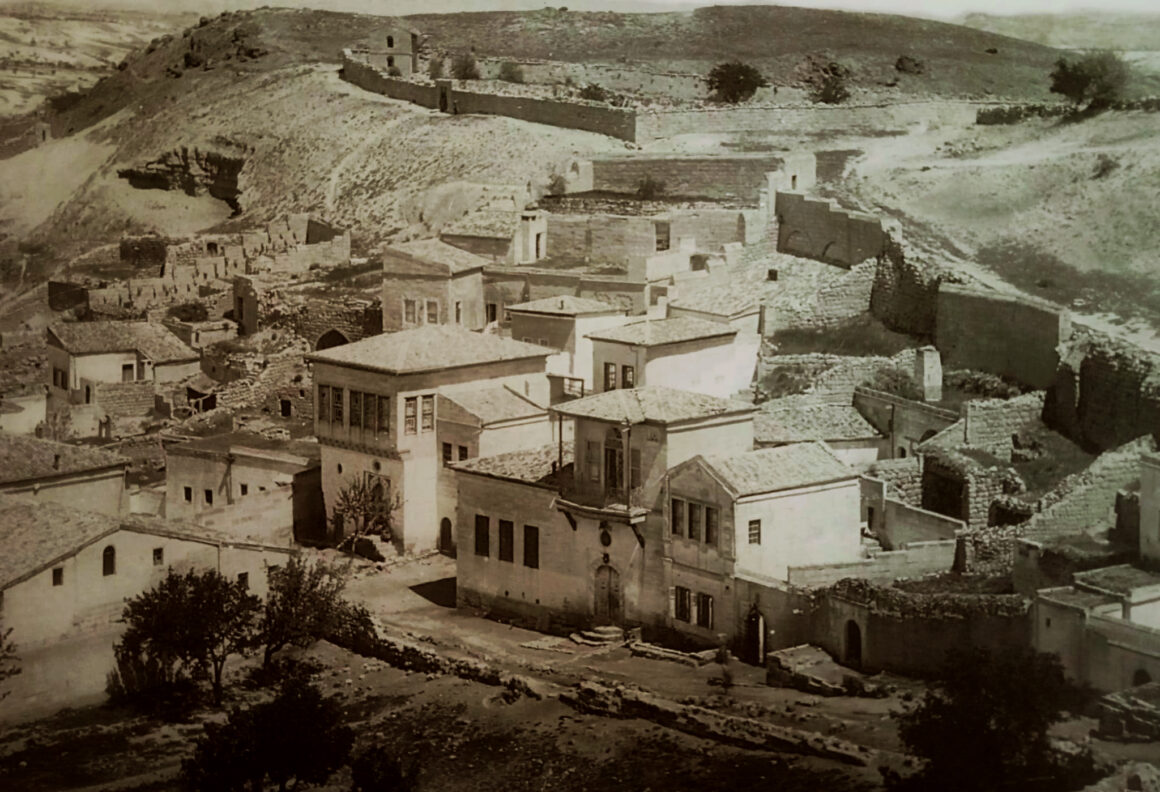
Mustafapaşa, which is distinguished from the surrounding settlements in many aspects, reached a privileged position in the last period of the Ottoman Empire, especially starting from the 19th century. The town, the majority of whose population was Rum at the end of the 19th century, experienced its brightest period in terms of culture, architecture and art history in the 19th century, during the Ottoman Empire. The close relations with Istanbul, the capital of that period, directly affected the town. In the region where agriculture was not very suitable due to the effects of transportation and high taxes, the Rum community turned to trade and were very successful in this field. The townspeople, who established a semi-nomadic order for themselves, virtually established a colony in the Yedikule, Samatya, Galata, Kalafatyeri, Balıkpazarı and Unkapanı regions of Istanbul, thanks to the guild system, which was the backbone of the Ottoman trade system. The trade of linseed and sesame oil, especially caviar, was in the hands of the Mustafapaşa guild.
Within the scope of our research during the project process, we came across information that the Rum owner of a mansion, which today cannot even attract the attention of tourists because some of it is ruined, took the lead in organizing the guild. This mansion, as can be seen in the relevant category, is Erbil Mansion.
Muslims Before the Population Exchange
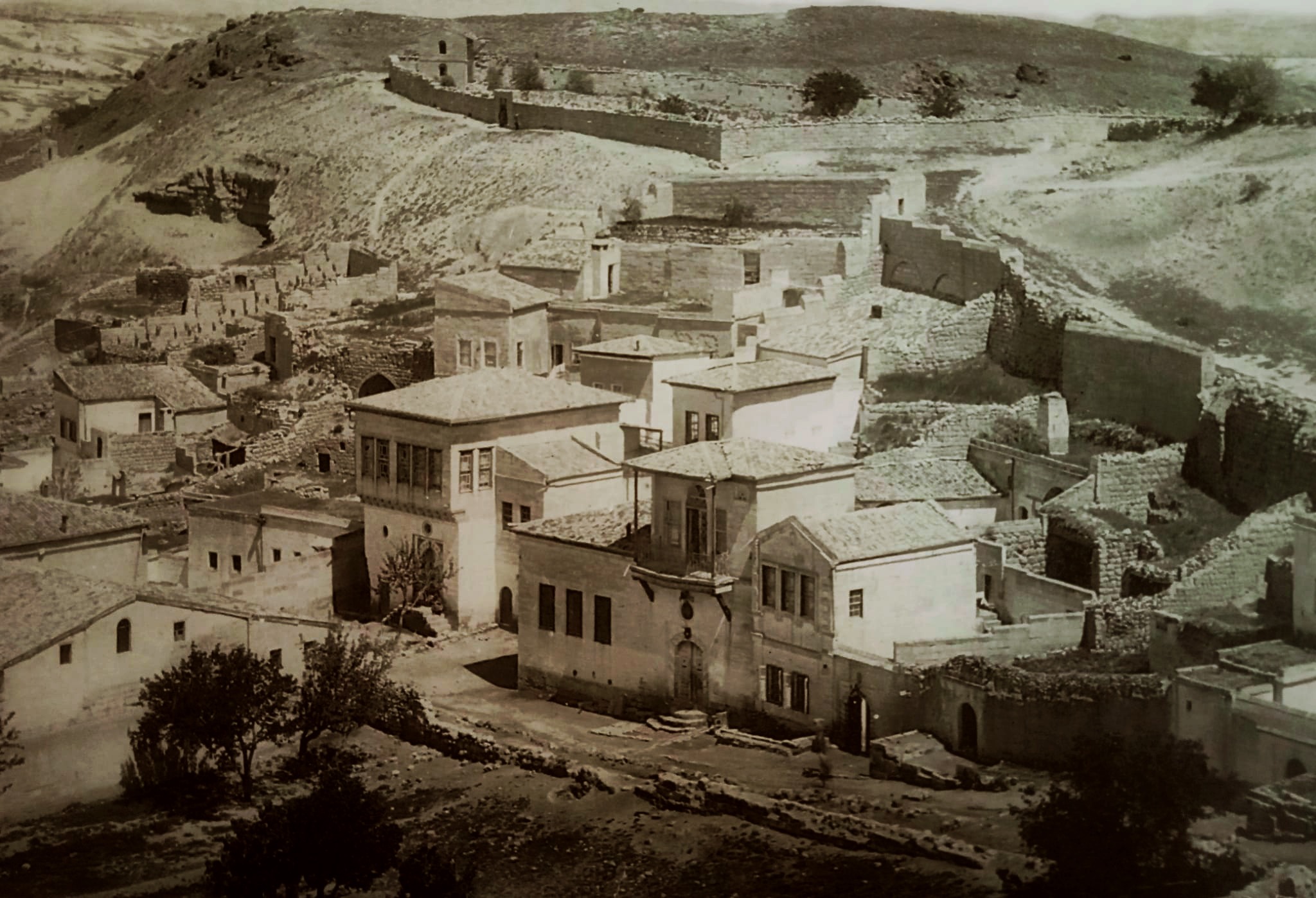
Although the historical and cultural richness of Mustafapaşa—which is an important concrete example of the multicultural structure of the Ottoman period—was largely created by the Rum community, the Muslims living alongside them were undoubtedly an important color of the village. Some accounts regarding them are included in Balta’s book. In a text quoted from Serafim Rizos’s manuscript No. 429, it is stated that there are about a hundred houses in the Miskin District, where the Turks, whom he refers to as his fellow citizens, live.
Another important statement here is that the men of the neighborhood were generally builders, stonemasons, rock cutters, and workers. It was also noted that they did not own much land, there were very few farmers, and a small number of them went to Istanbul to work as “tabla makers” (street vendors) at Sultan Hamid’s palace. According to the same text, the majority of the remaining Muslim houses—stated to be around one hundred and fifty in total—were located in the Galasa neighborhood (known today as Kalasha Mevkii), which contained thirty houses.
According to information archived at the Asia Minor Research Center in Athens and included in Balta’s book, narrated by Pavlos Yordanidis, the people of the neighborhood got along very well with the Rum people and worked as laborers in their vineyards and fields. The other houses mentioned in the manuscript of Serafim Rizos were distributed as follows: ten in Lulas (today’s Davutlu Location); nine in Kapalos (which coincides with today’s Papatya Street and Sümer Street); one house in Mezgit (today’s Yukarı Mahallesi), and two houses in the place known as Yeni Mahalle at that time (today’s Dere Street).


