

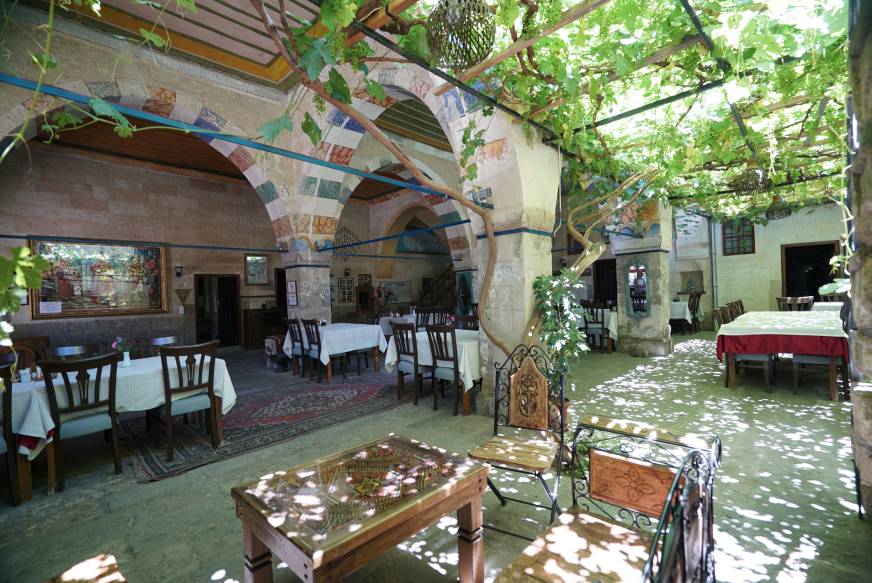
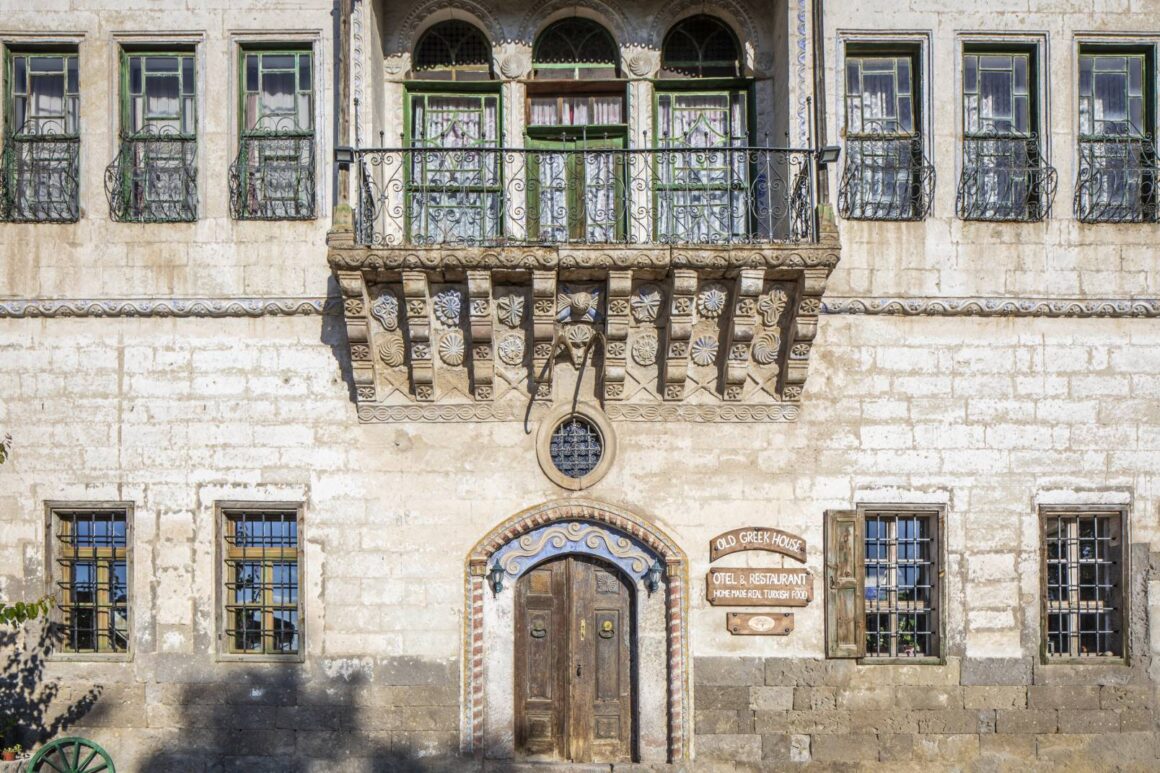
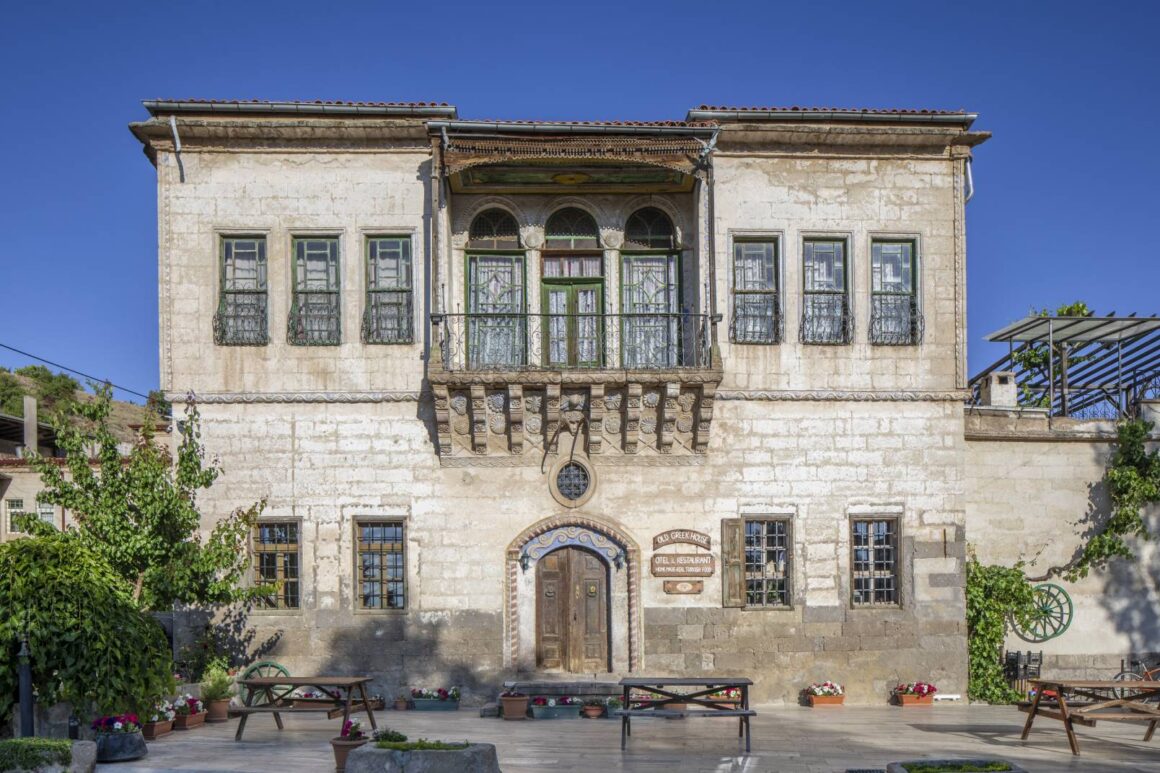
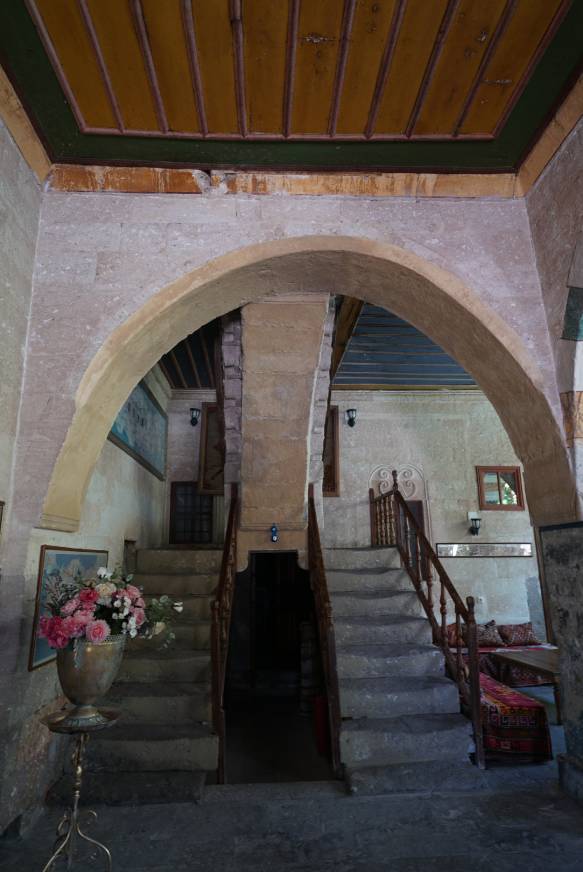
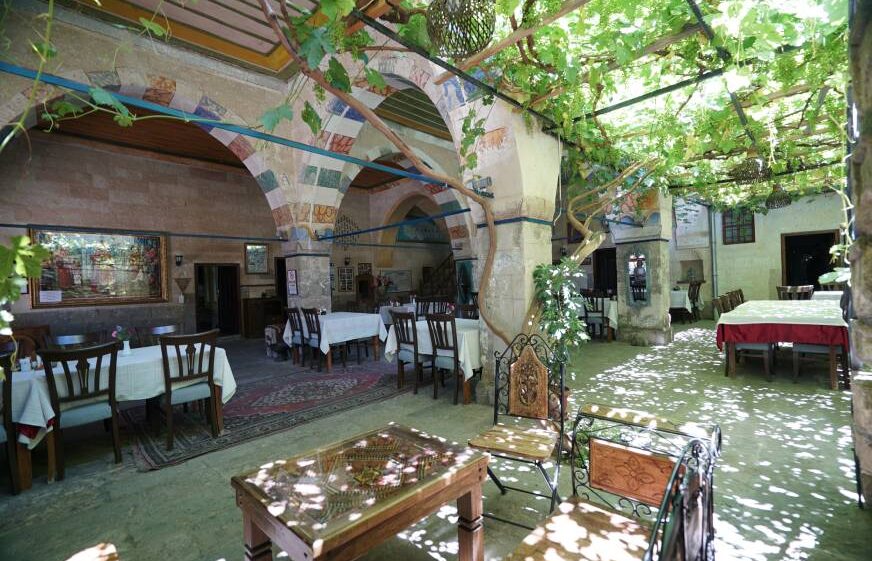
According to the inscription on the door of the room on the ground floor, the owner of the mansion, built in 1876, before the population exchange was known as Yarha Vasil. The mansion, where a Muslim family who came from Thessaloniki during the population exchange previously lived, was purchased by the grandfather of the Öztürk family, who came to the town as teachers in 1938. The Öztürk family lived here until 1992. Since 1992, the house has been serving as a hotel and restaurant under the name “Old Greek House” by members of the same family. The two-storey building with a hipped roof has a cantilevered facade type and a rectangular plan.
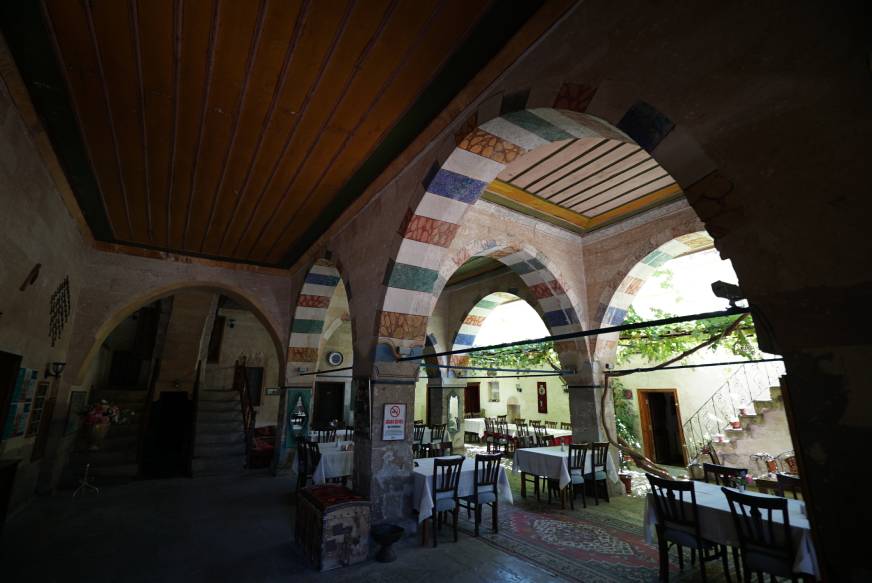
The flat-arched entrance door of the mansion, made of double-leaf wood, is located on the north-west façade of the building, and it is reached by three symmetrically designed three-step stairs on both sides of the door. Stone material was used in the walls of the building, which were built with the masonry technique, and wood material was originally used in the door, ceiling and window elements. There are rosette, star and clover motifs among the stone consoles supporting the cantilevered balcony. Colorful stonework can be seen on the three arches on the balcony.
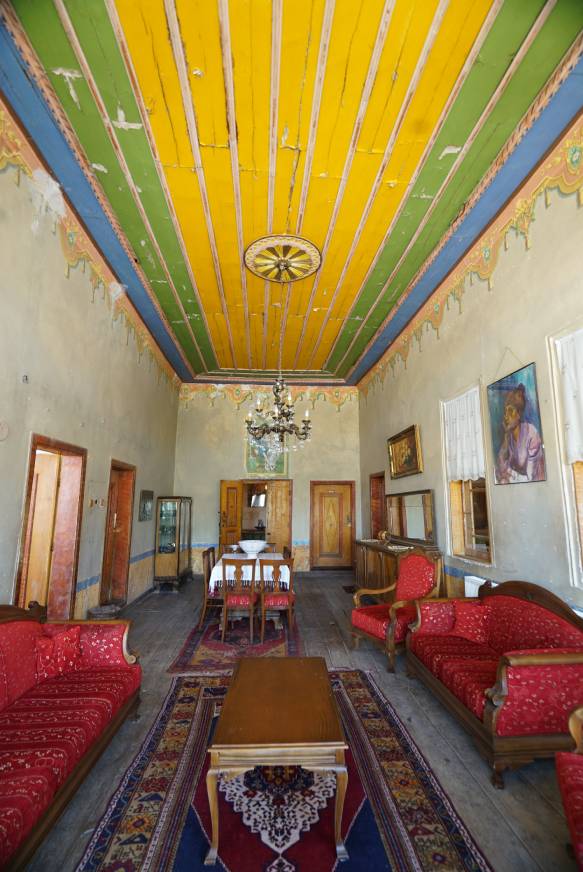
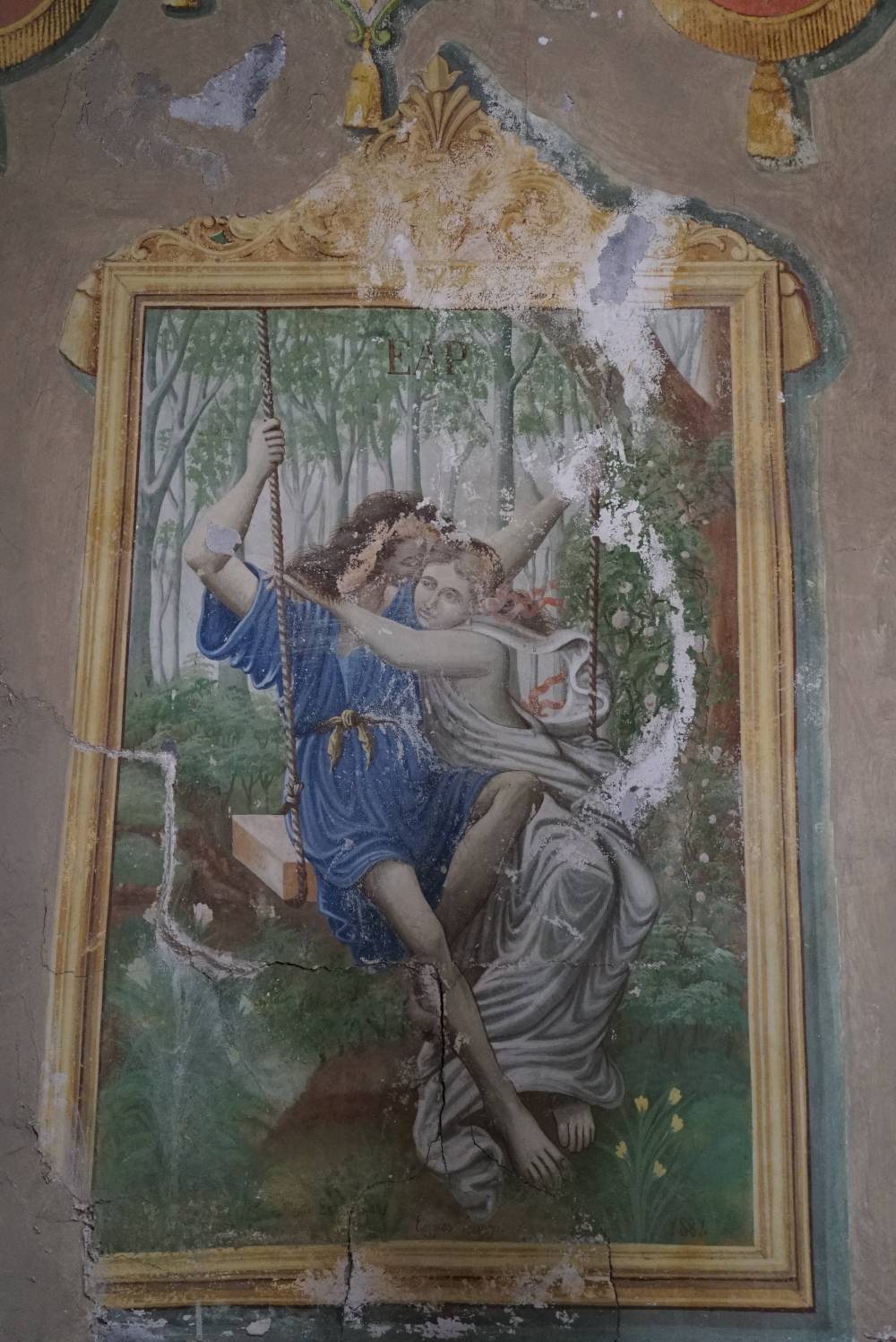
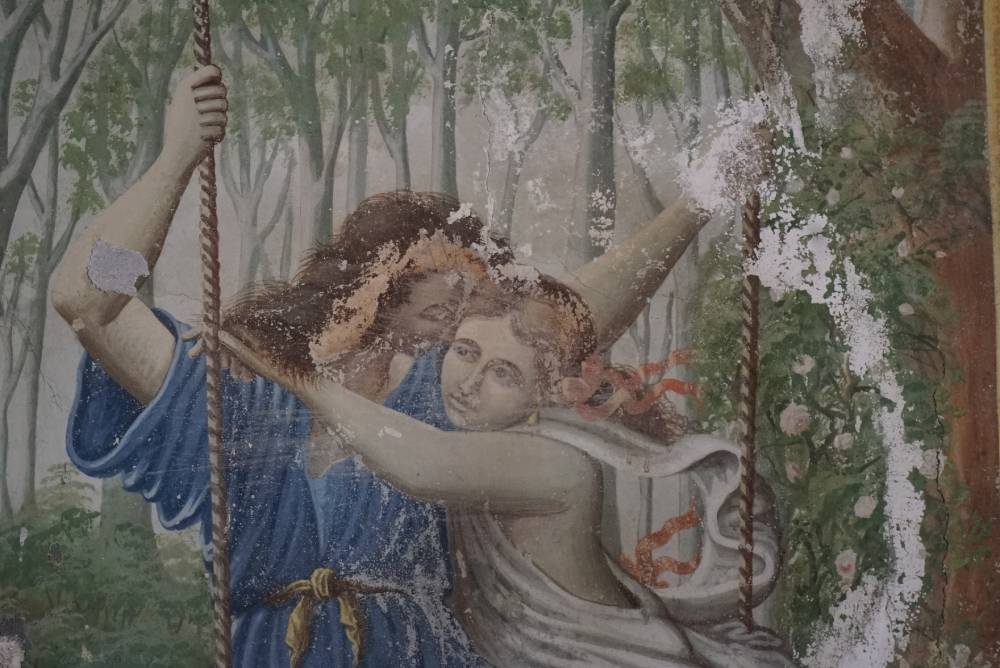
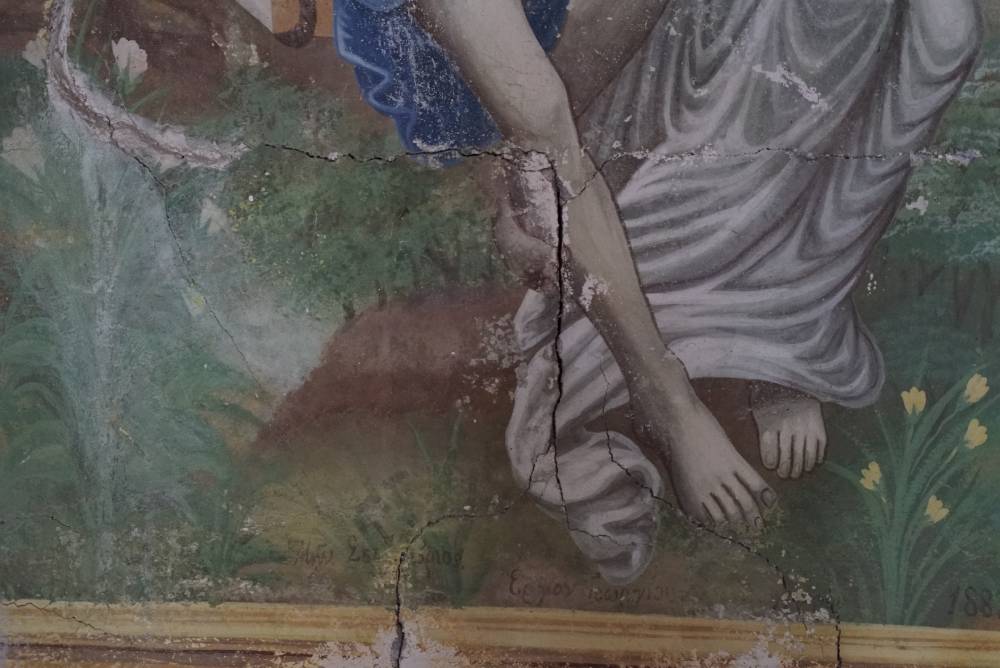
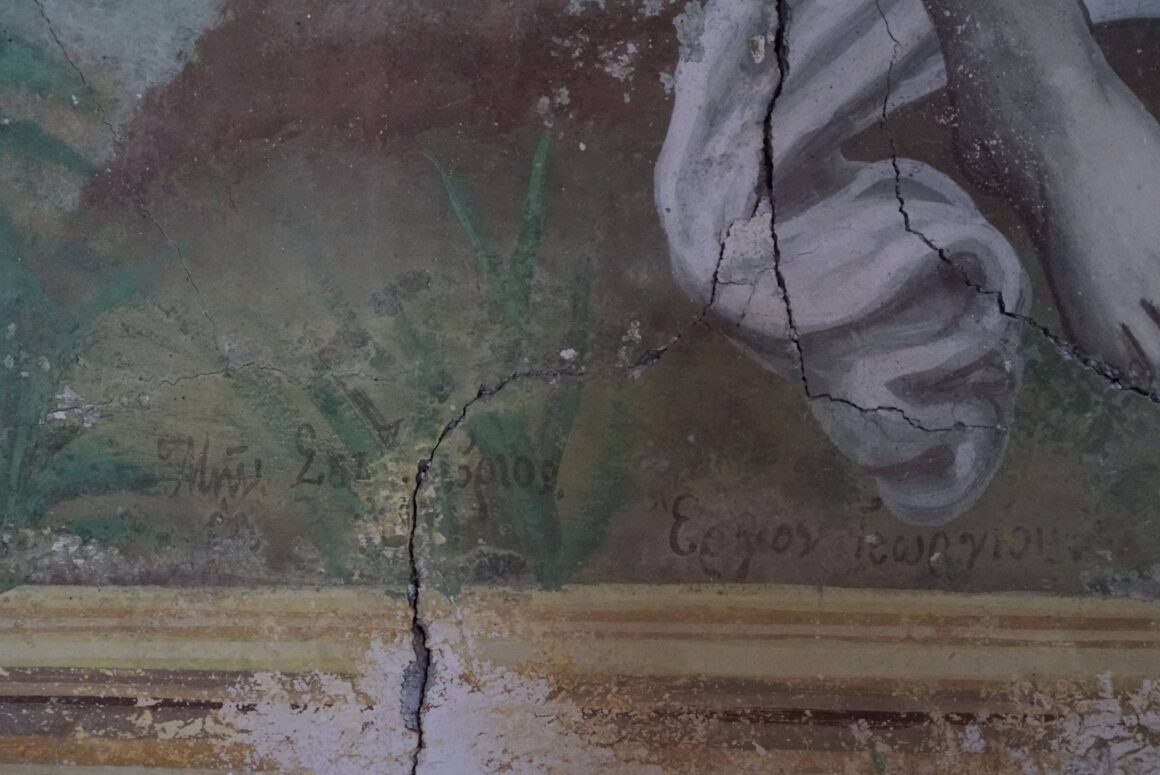
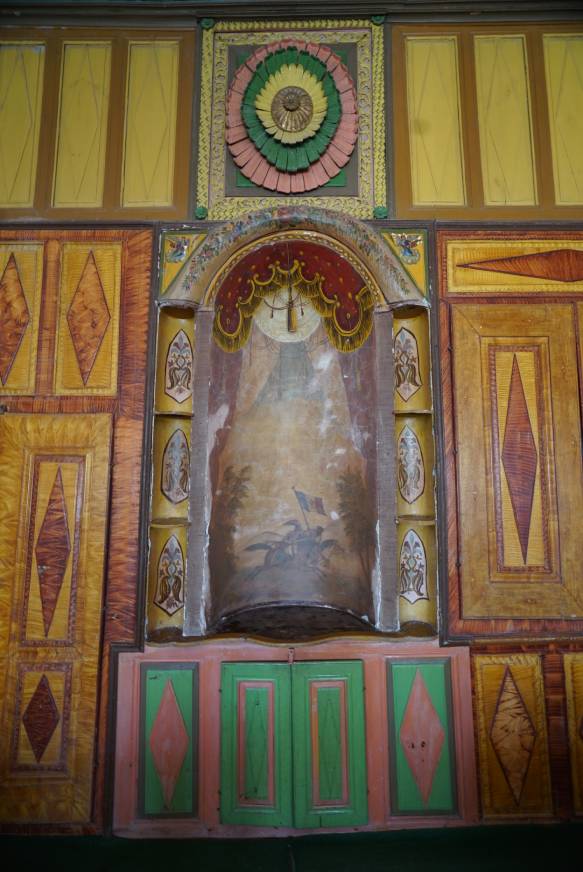
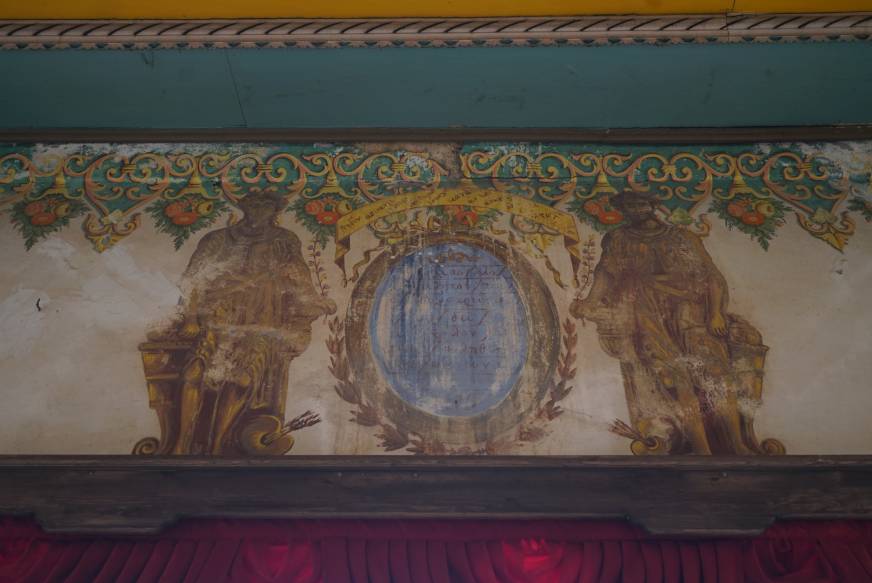
There are wall paintings in different rooms of the mansion; The most striking of these is the painting on the door of the upper floor hall, modeled on the work of a western painter. In the painting, there are male and female figures swinging on a swing set up on a tree in a rural landscape. There is the text “ΕΑΡ”, which means spring in Greek, and the date 1887 underneath. In the picture, the name of Georgios Iordanidis, one of the painters whose paintings we see in different buildings in and around the village, can be read. Additionally, in another room, there are two human figures and a medallion with an inscription between them. Written on the coin is a Greek expression meaning “Everything is in vain, it is possible to be happy, fate offers common things to people.” The date on the bottom of this coin is 1879. On the opposite wall of the same room, decorations made in the niche and two figures on horses can be seen. Apart from these paintings, the ceiling panels of the rooms made in the form of wickerwork attract attention.


