

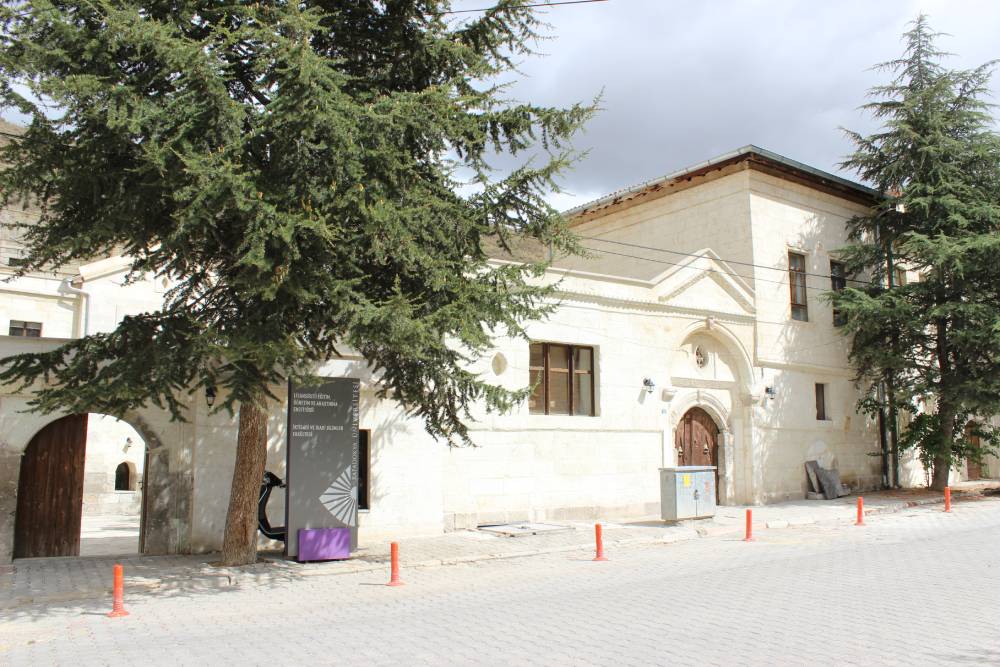
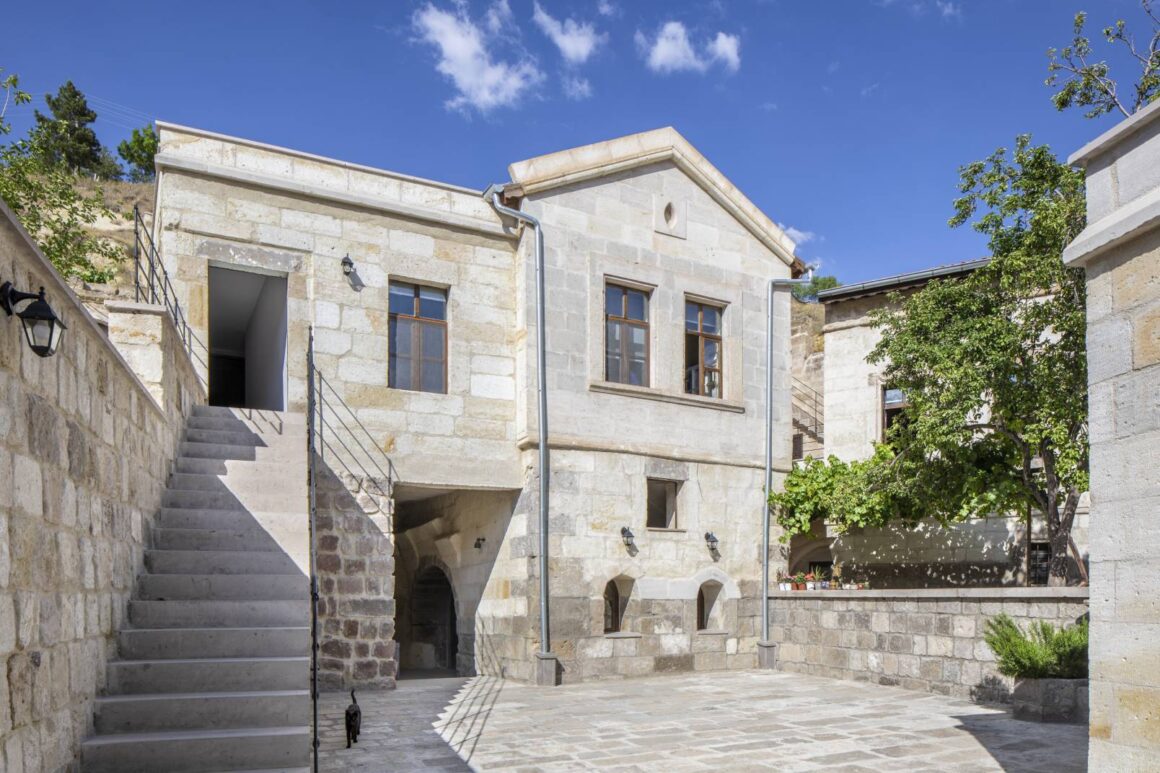
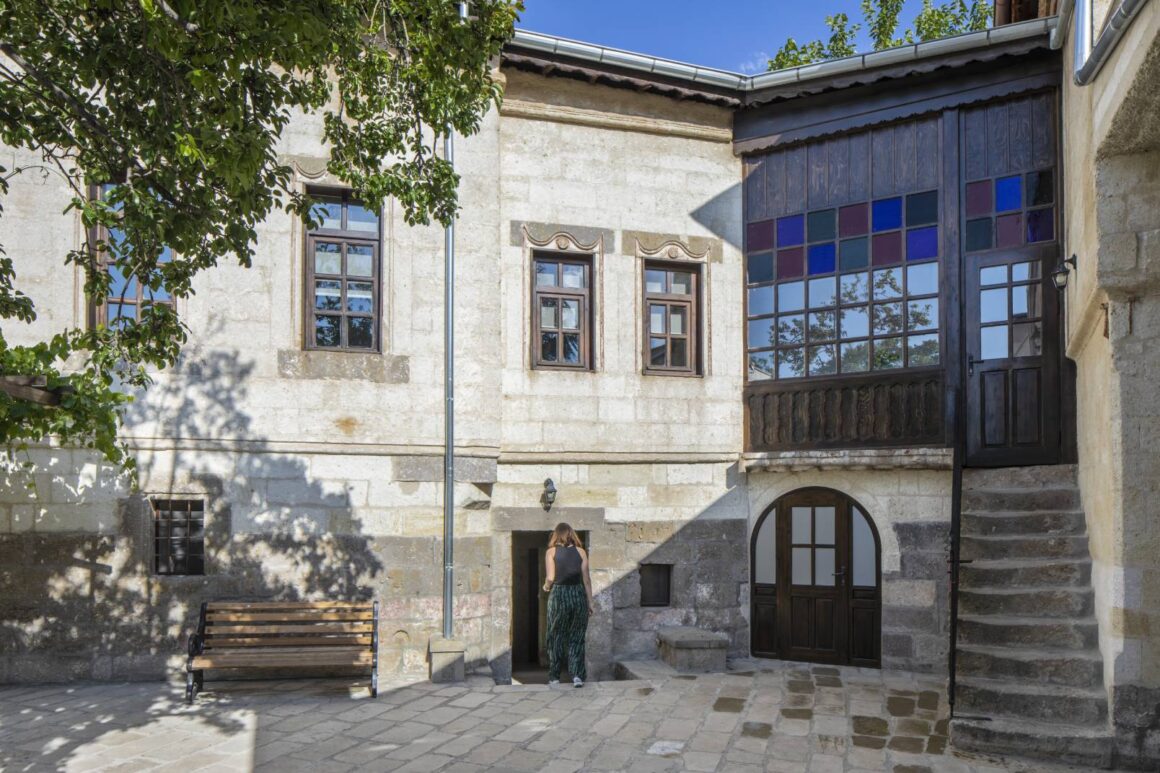
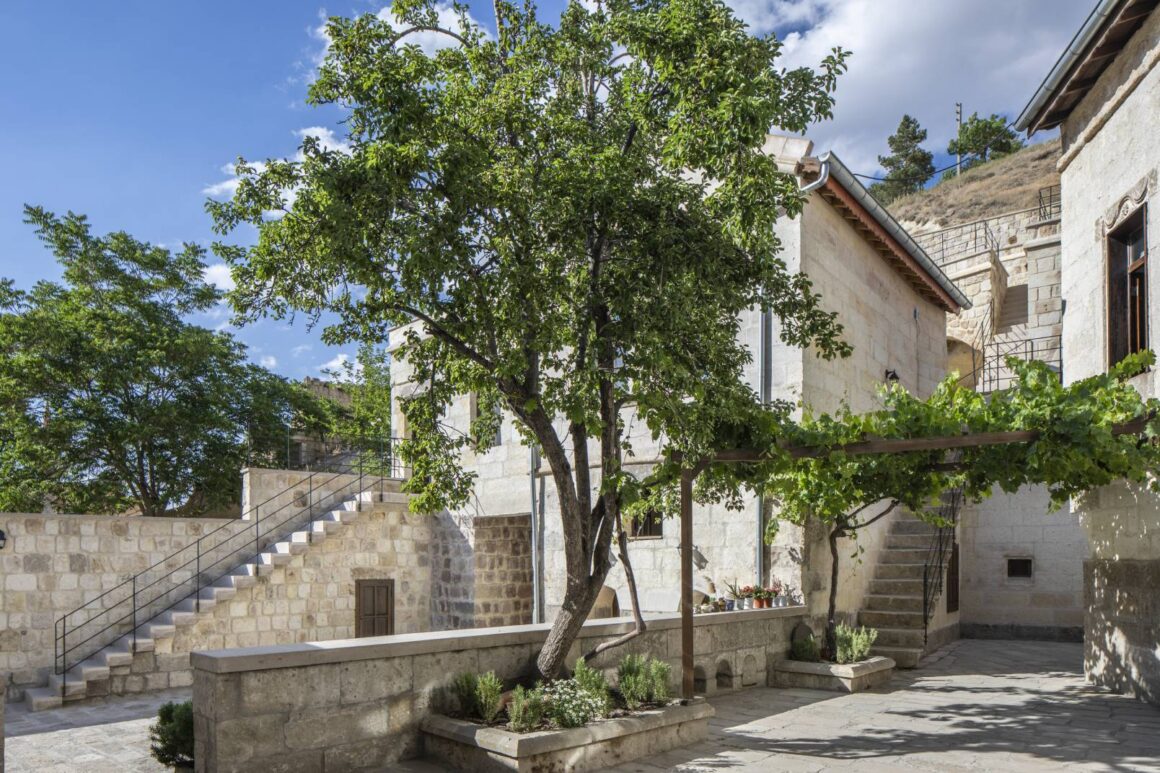
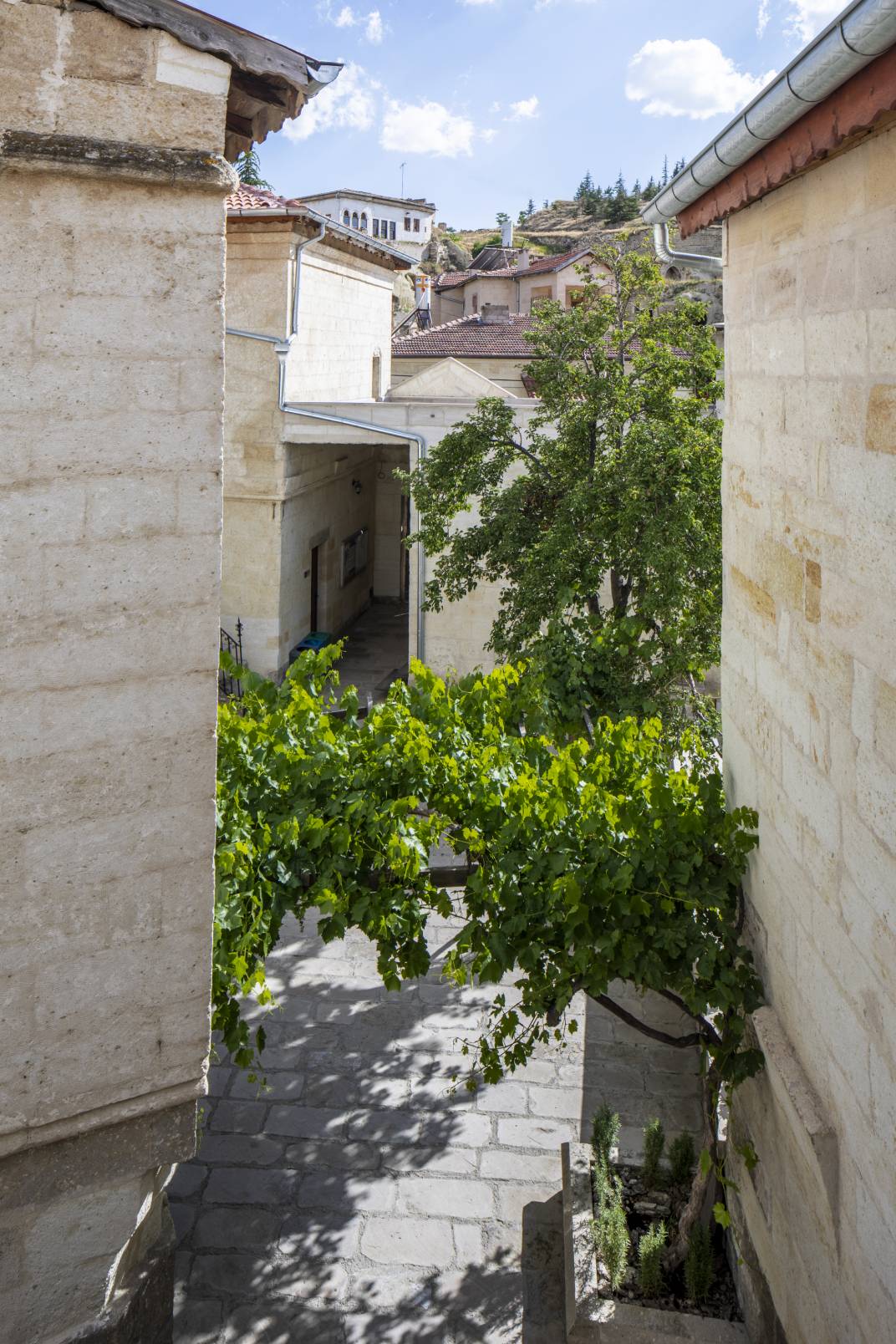
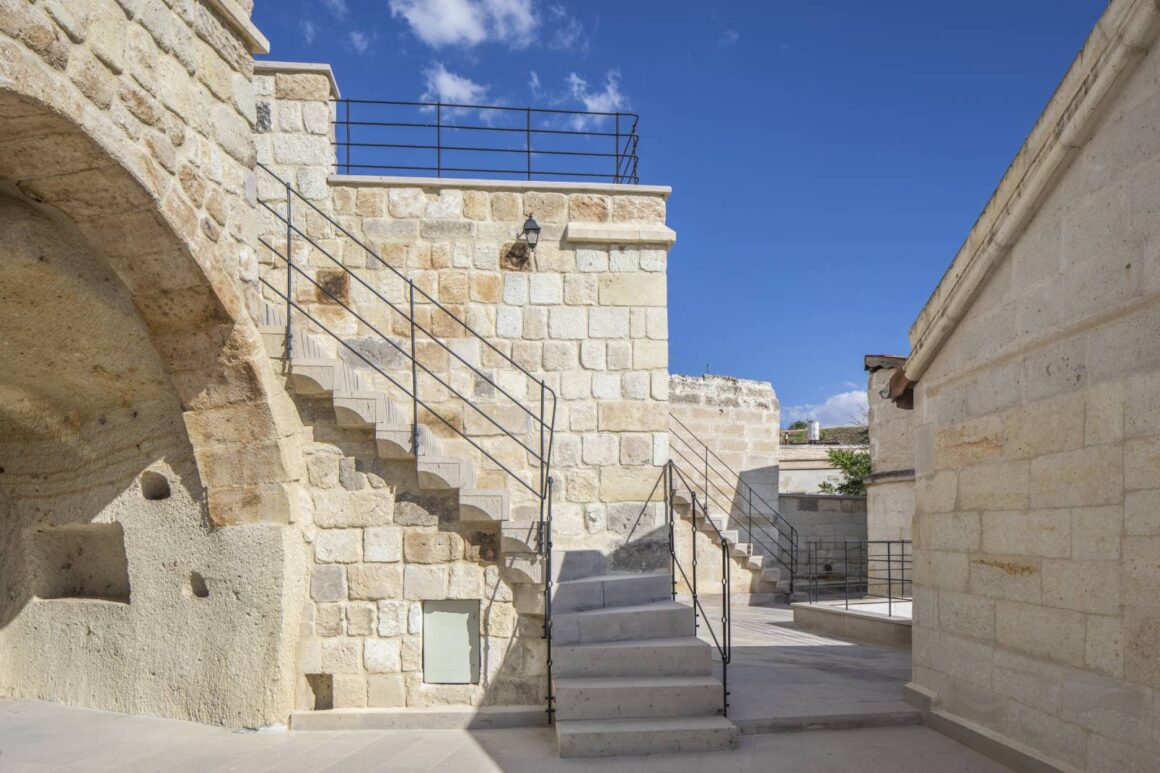
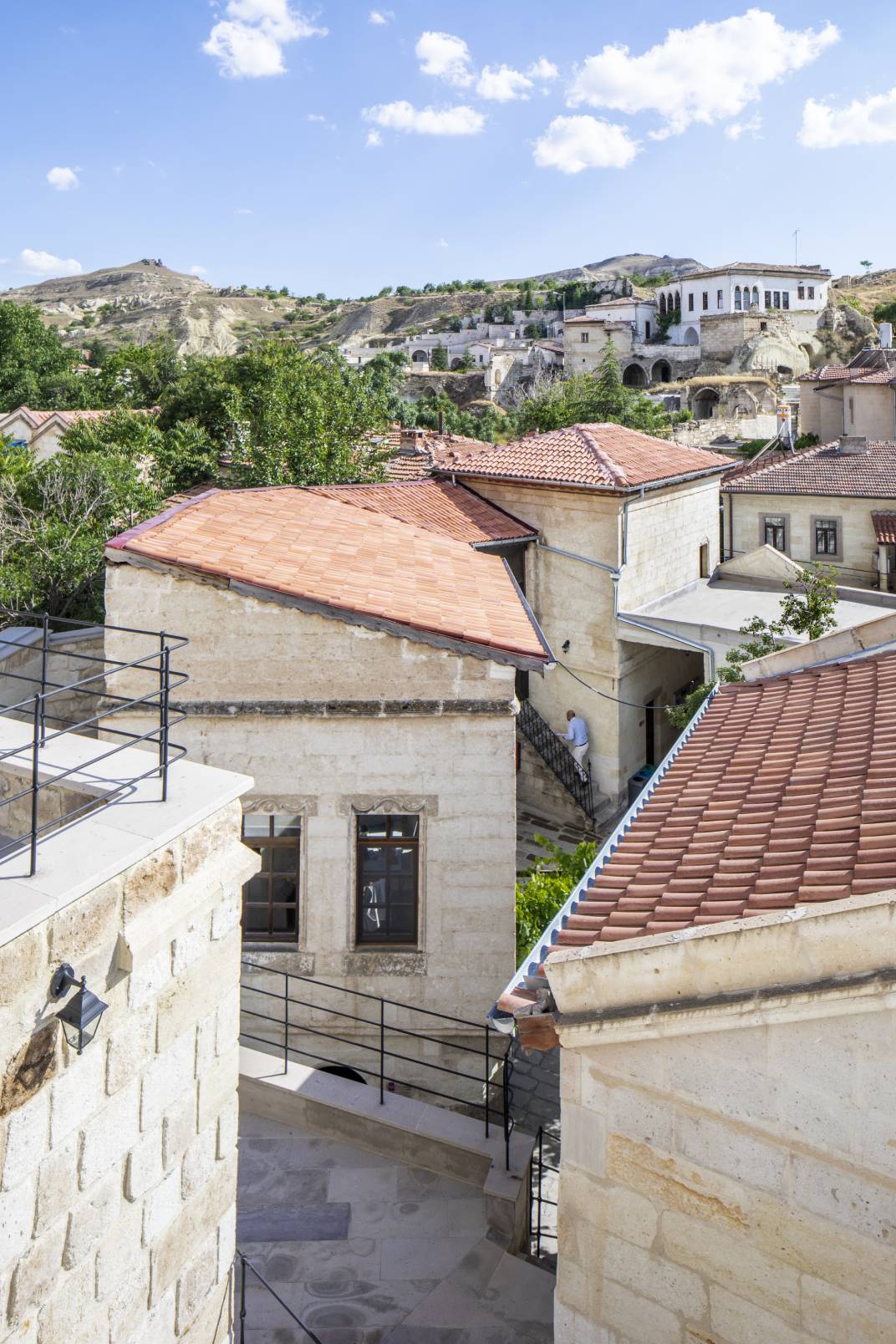
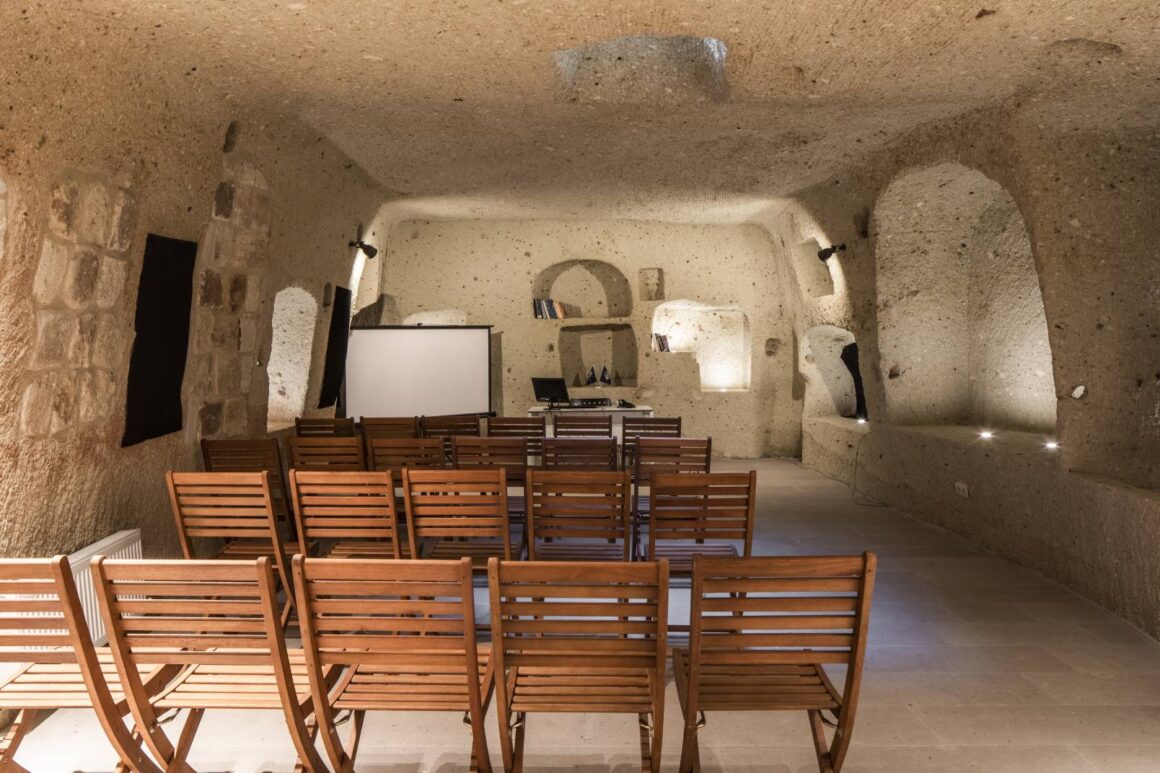
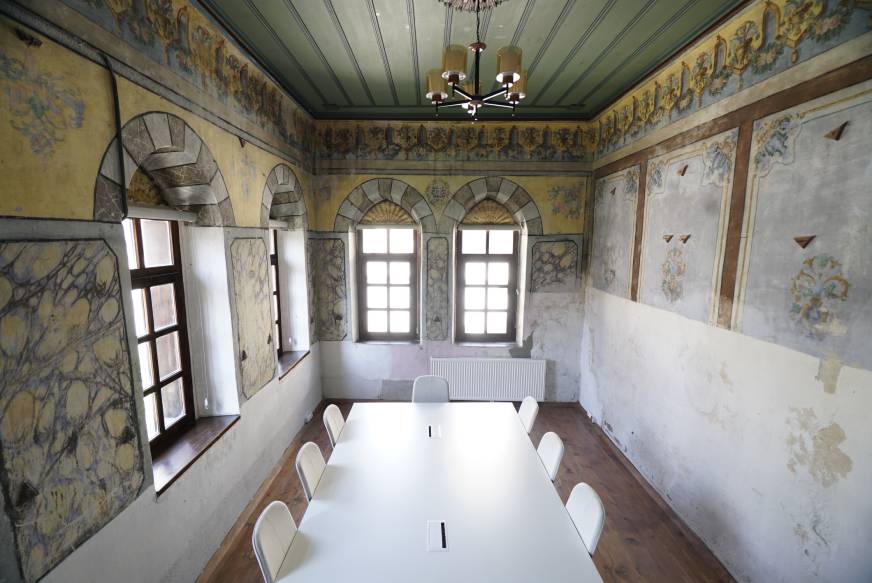
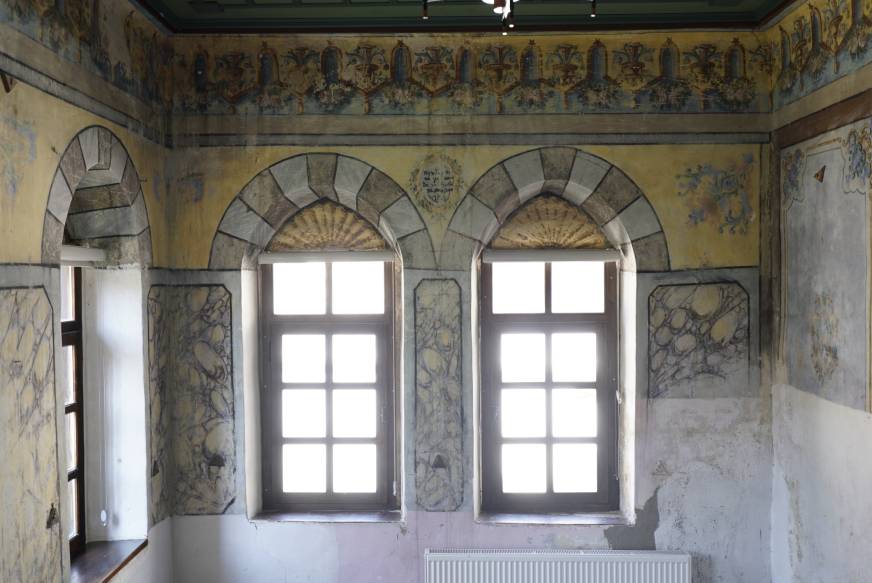
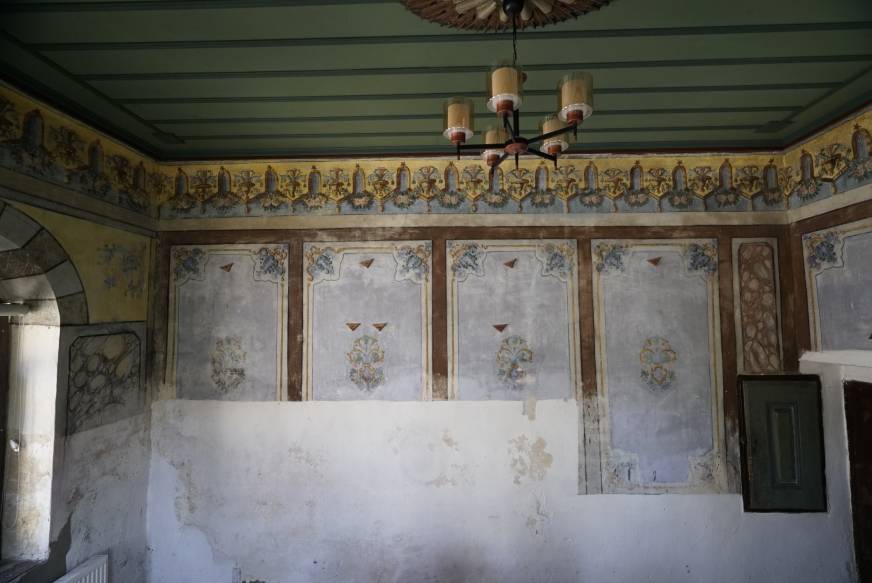
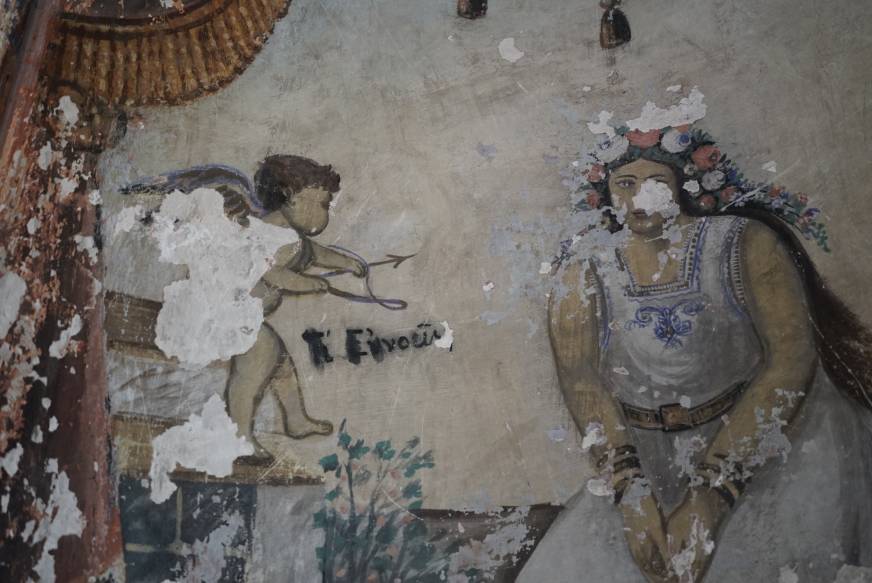
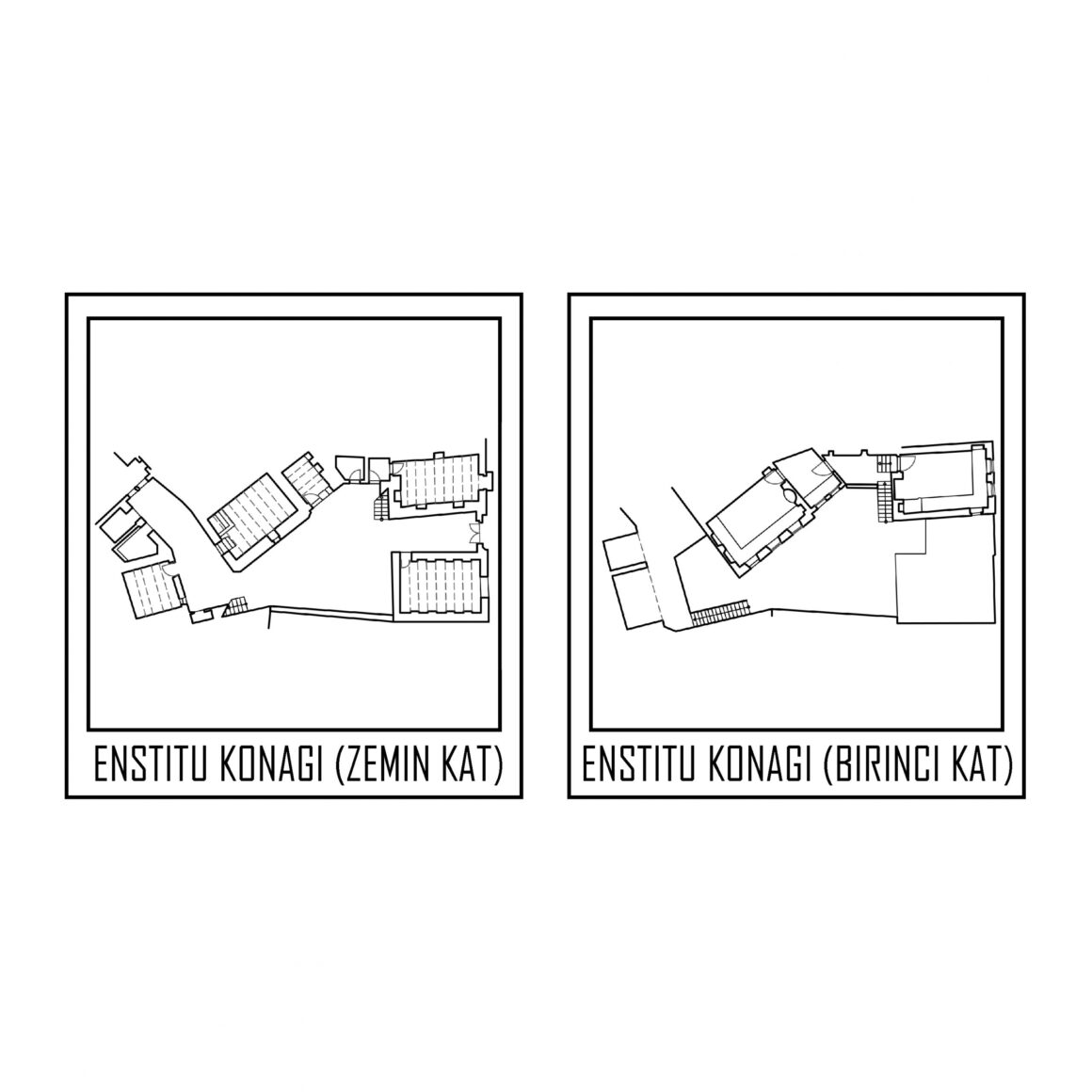
The buildings we call Cappadocia University/KÜN Institute Mansions today are originally two separate mansions, independent of each other. Wall paintings, stone and wooden decorations attract attention in the main room of the mansion, which is located on the south side of these two separate buildings in the same courtyard. The mansion on the east side has rock-carved rooms. This mansion, which also hosted the TV series “Life Goes On”, currently serves as the Postgraduate Education, Training and Research Institute of Cappadocia University.
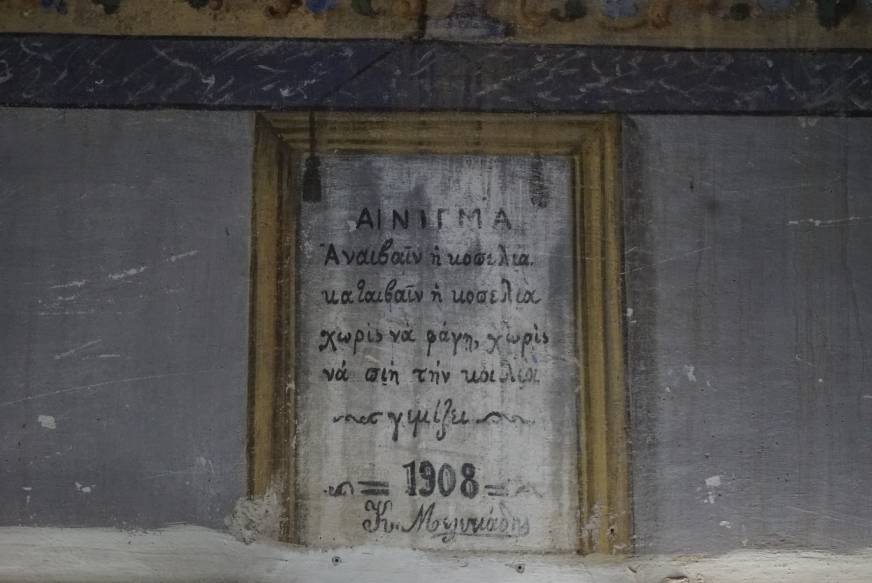
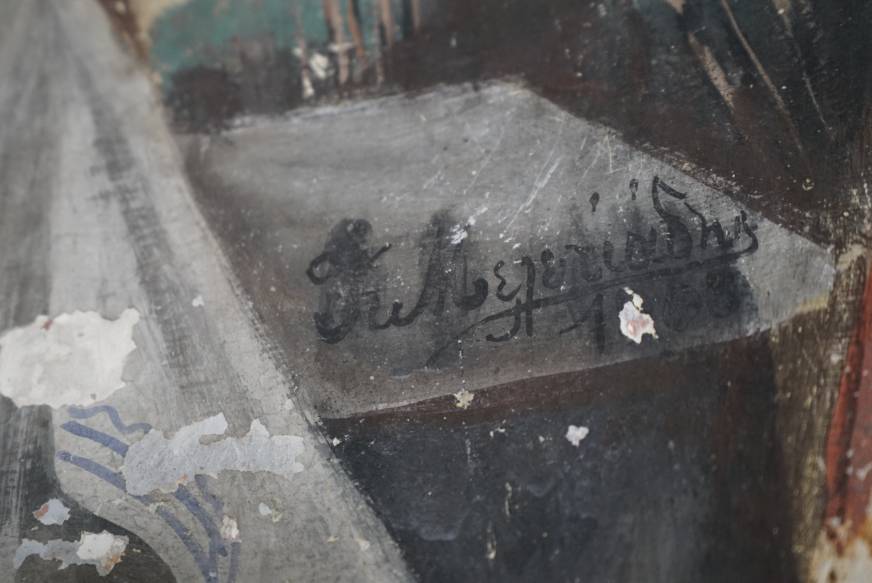
Although the exact construction date is unknown since the mansion does not have an inscription, it is estimated that the building was built before 1908, according to the inscription on the wall painting on the upper floor. After the exchange, Ruşen Akkoç and his family settled in the mansion, whose previous owner was known as Kali Rizos. The building has two floors, an open courtyard and a polygonal plan.
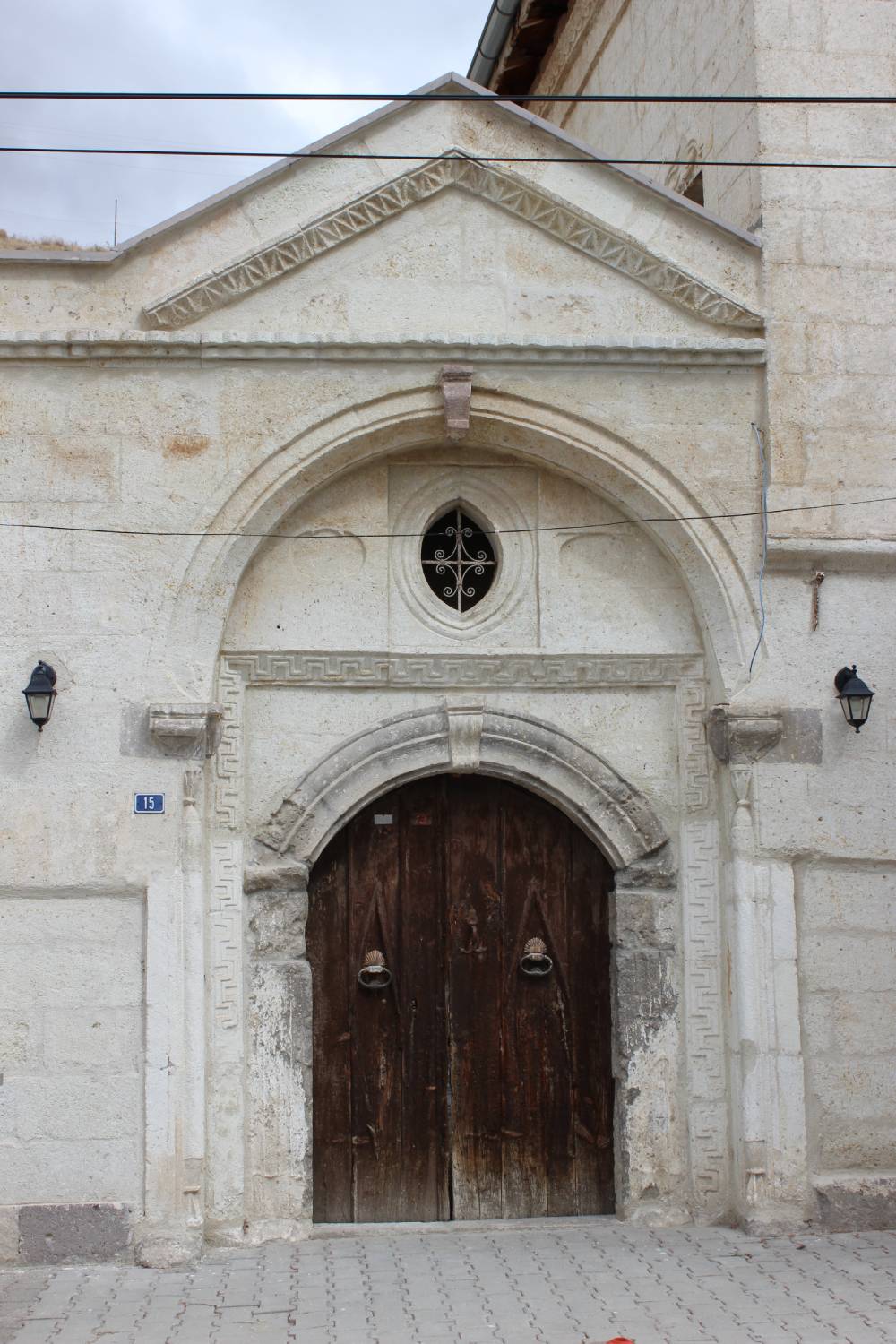
In addition, the building located on the north-western façade of this building has a plan type similar to this building and is used as the KUN Institute building together with the other building. The courtyard door on the southwest façade of the mansion has a flat arch and there is another molded arch above it. On this second arch, there is a triangular pediment reflecting the neo-classical architectural style. There is a lighting window on the door, as can be seen in many other examples. Some of the rooms opening to the courtyard, which have a plan type without a hall, were built with the masonry stone technique, while others were built with the rock carving technique.
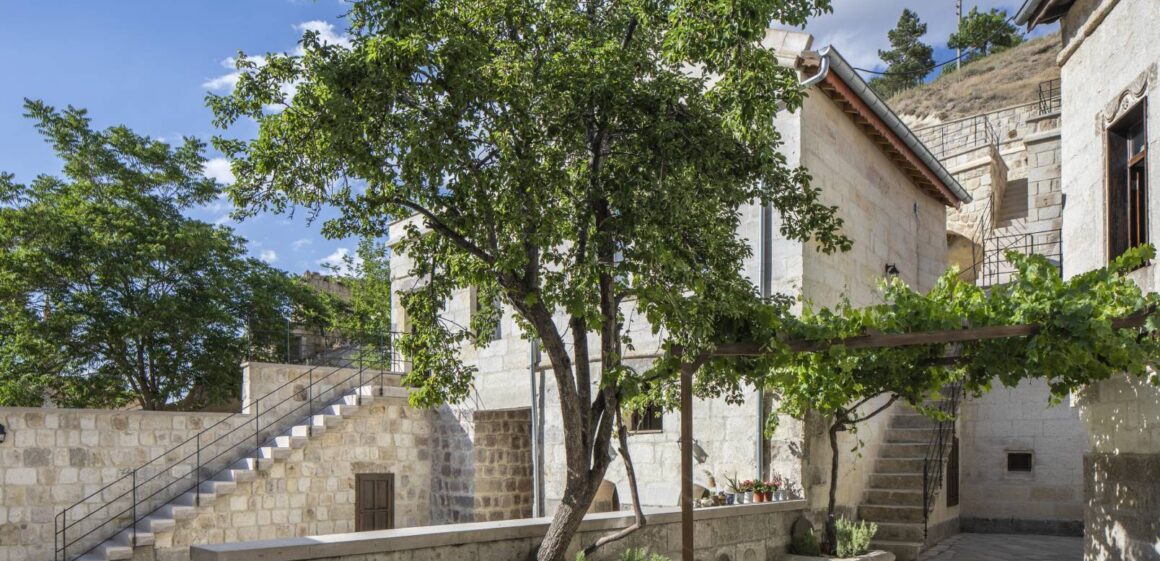
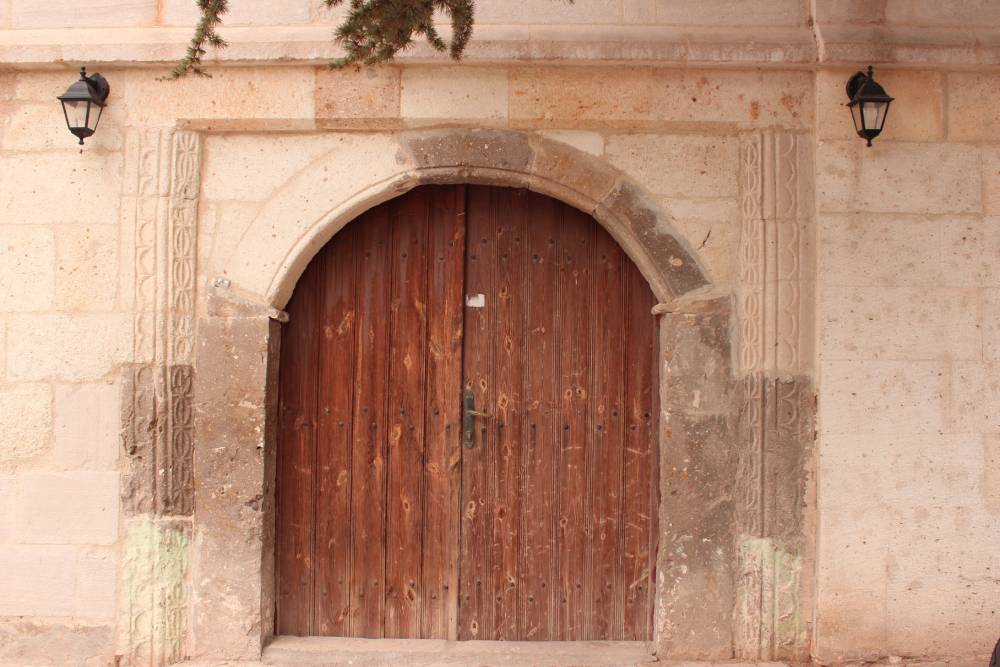
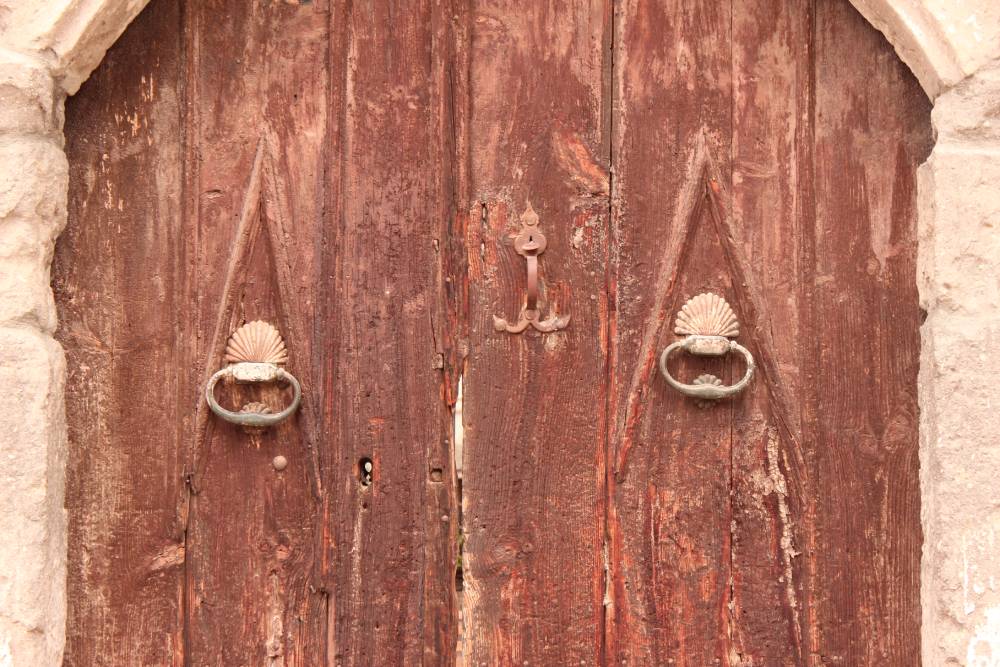
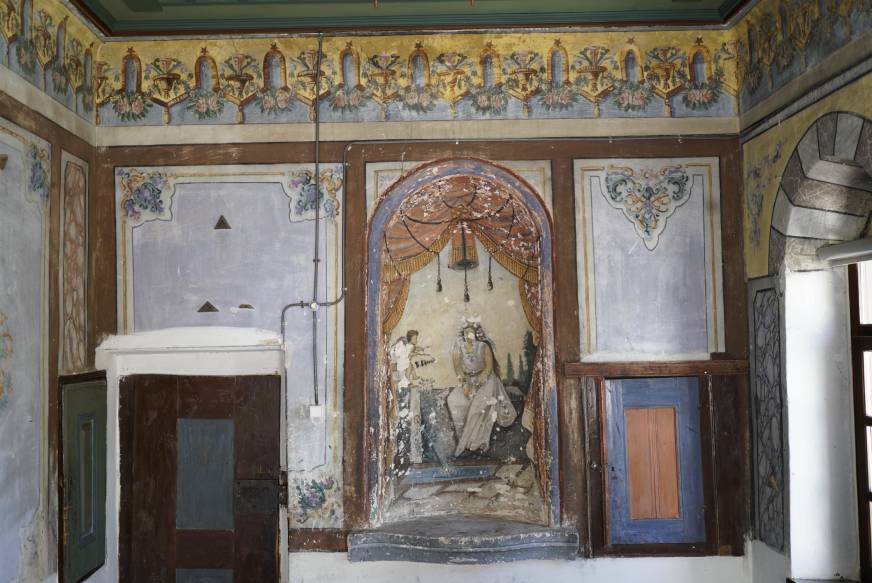
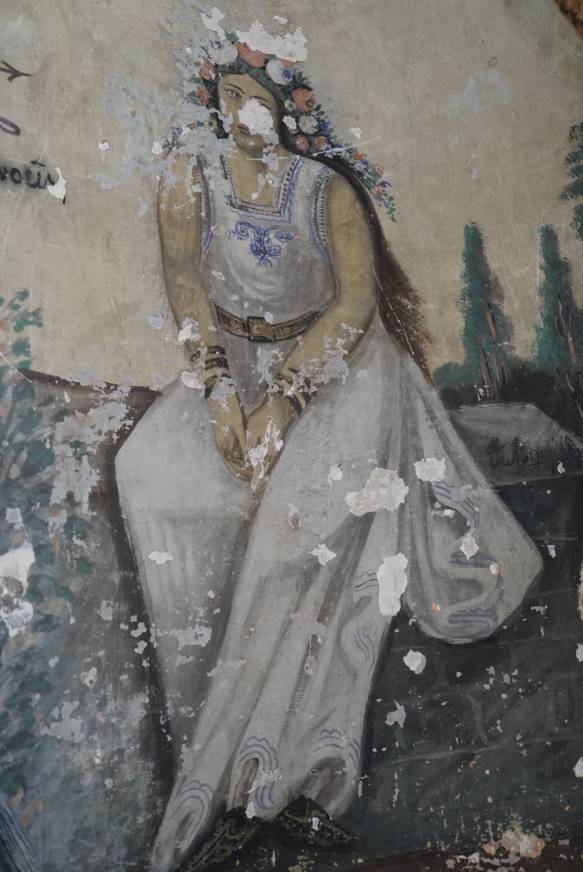
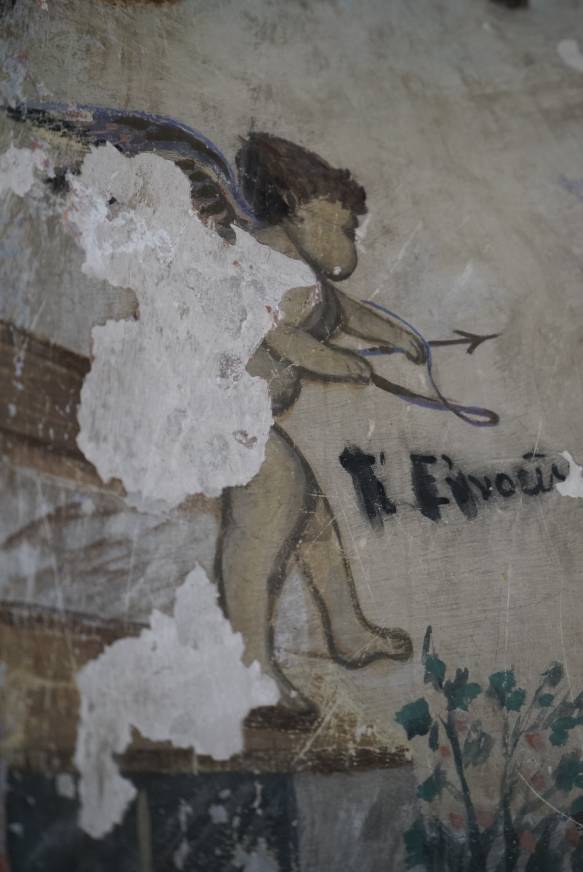
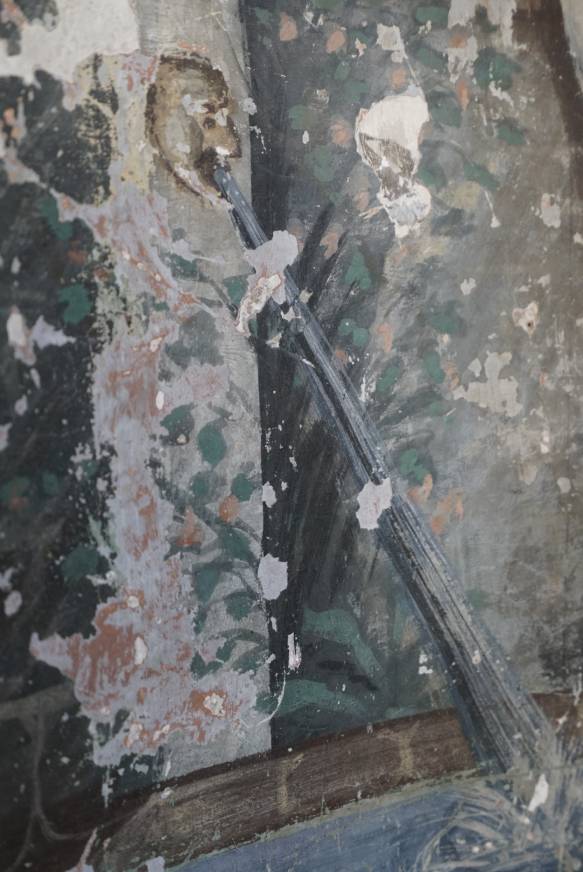
The walls of the building, made with masonry technique, are made of stone; Wooden materials were used for doors, ceilings and windows. Wall paintings, stone and wooden decoration details can be seen inside the mansion. In the main room of the upper floor of the mansion, there is a wall painting depicting two figures in a niche. In the scene, the Eros figure is depicted ready to shoot his arrow at a young woman sitting by the fountain wearing a wedding dress. On the right side of the figure there is a Greek text meaning “who is he thinking about”. In the lower right corner of the picture, there is a note indicating that the depiction was made in 1908 by Kostis Meletiades, the most famous painter of the village.


