

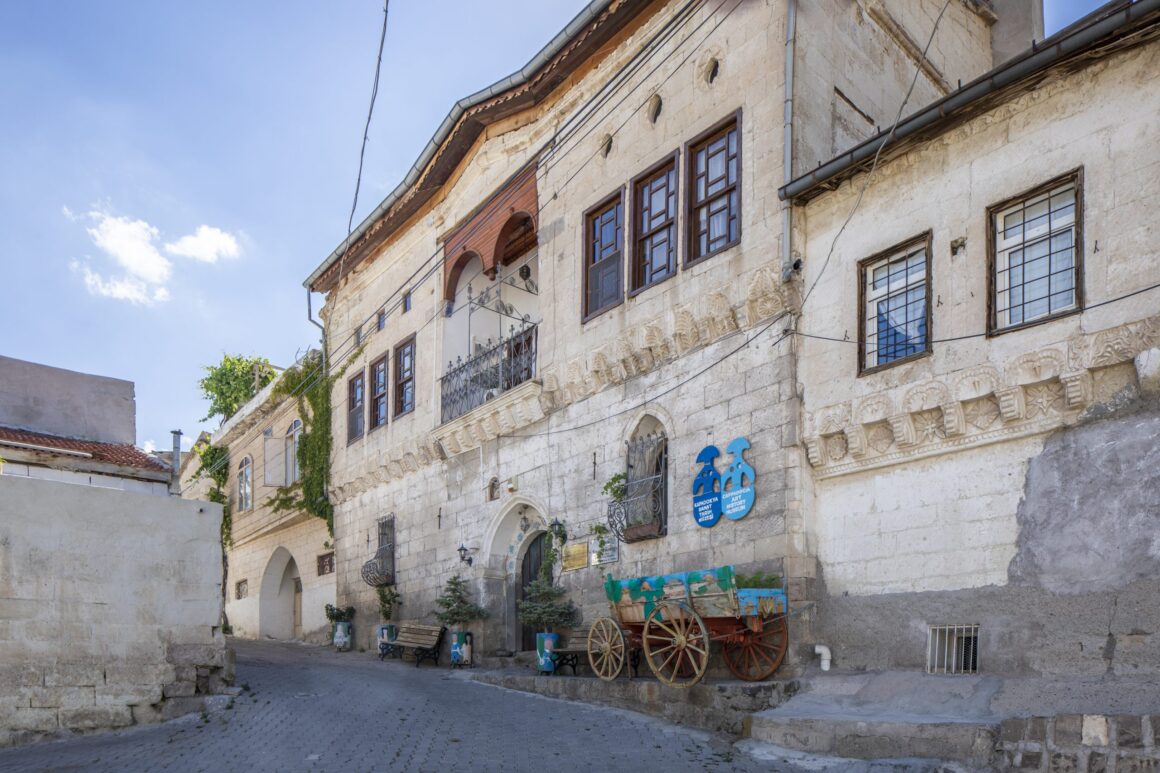
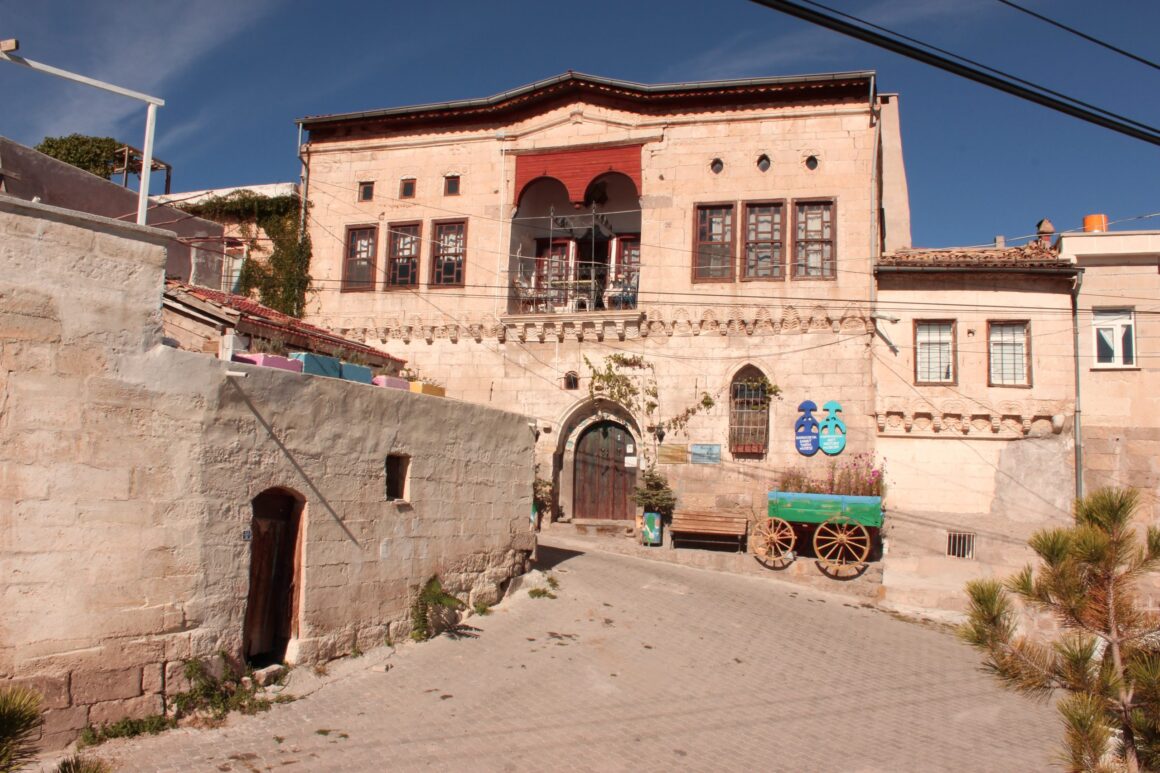
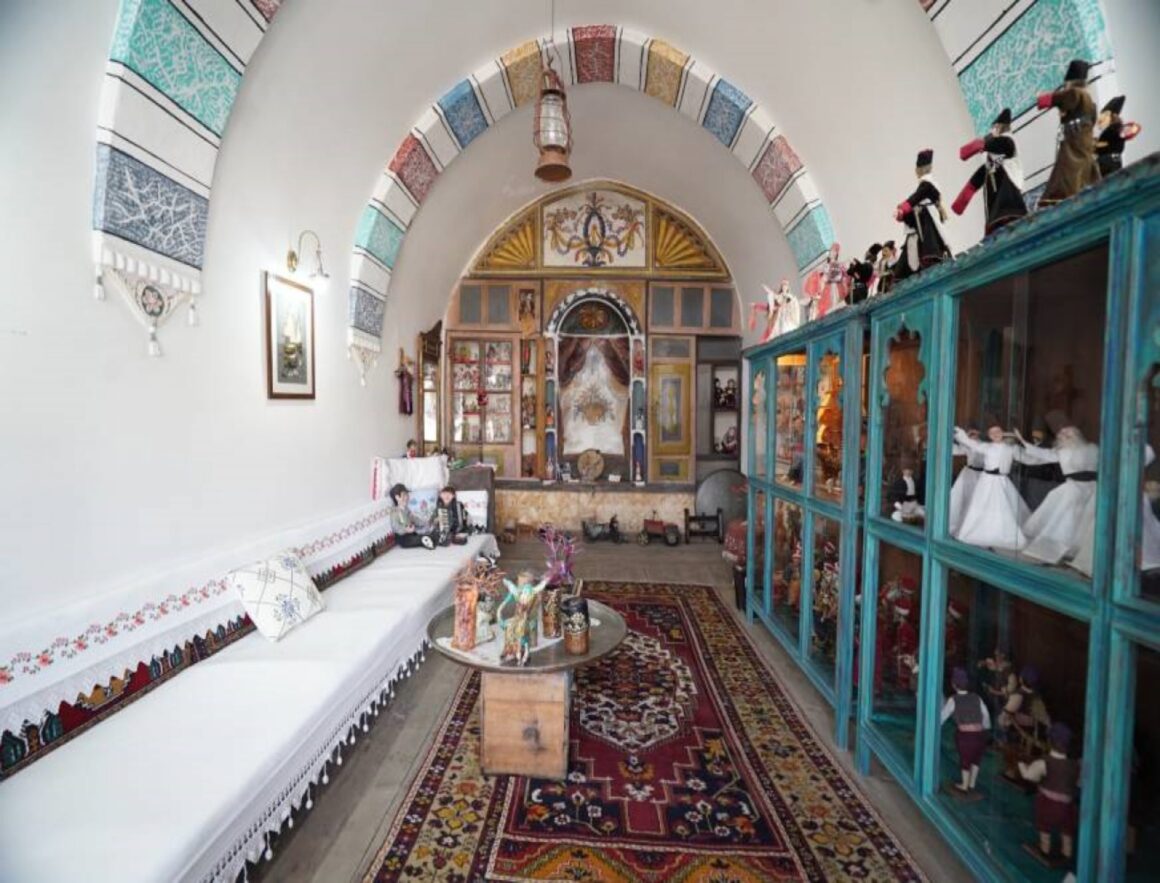
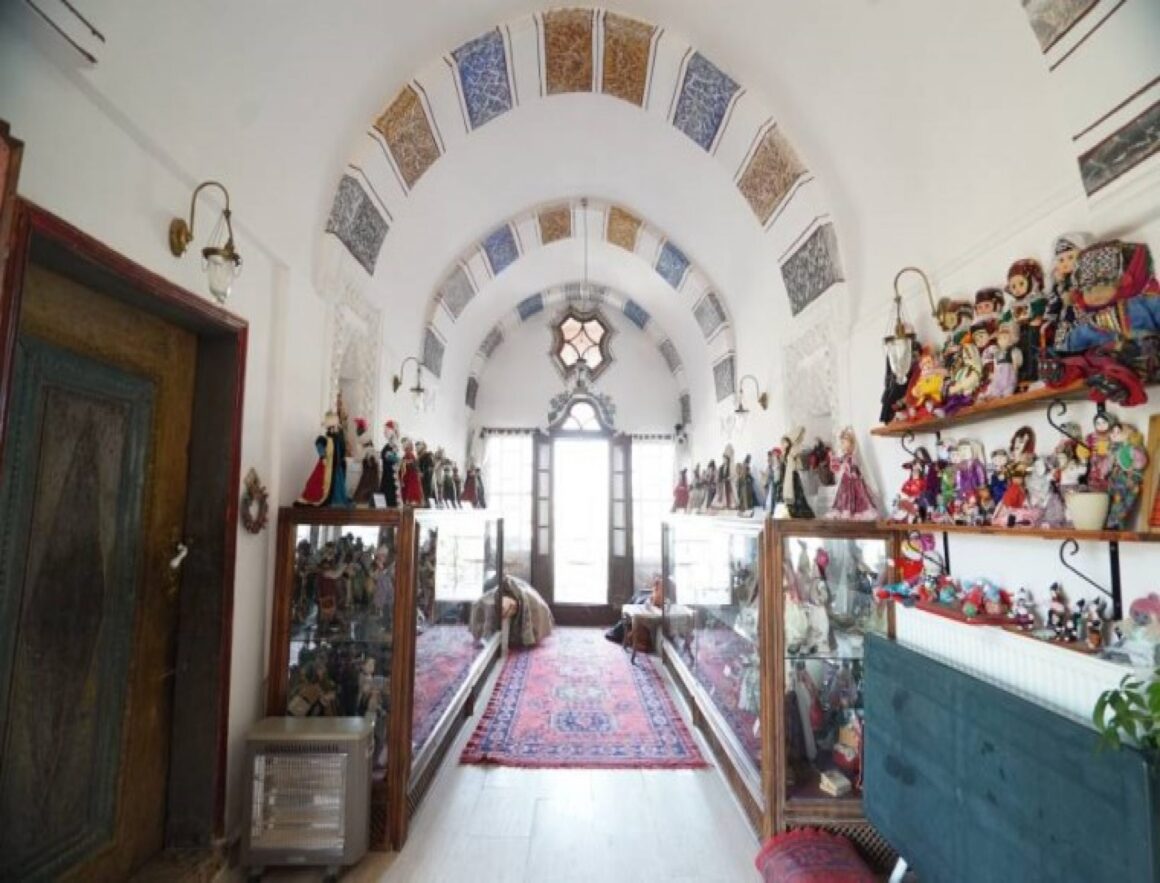
According to the 1860 inscription on the wall painting in the main room of the upper floor, the owner of the mansion, which was apparently built before this date, was known as Lazaros Maymunoğlu before the exchange. The building, which was previously used as a house, today hosts cultural and artistic activities under the name of Cappadocia Art and History Museum. The mansion, whose original structure has been largely preserved, contains many architectural and decorative elements such as intricate stone work in niches, tandoor, cabinets and sofas, as well as wall paintings inside.
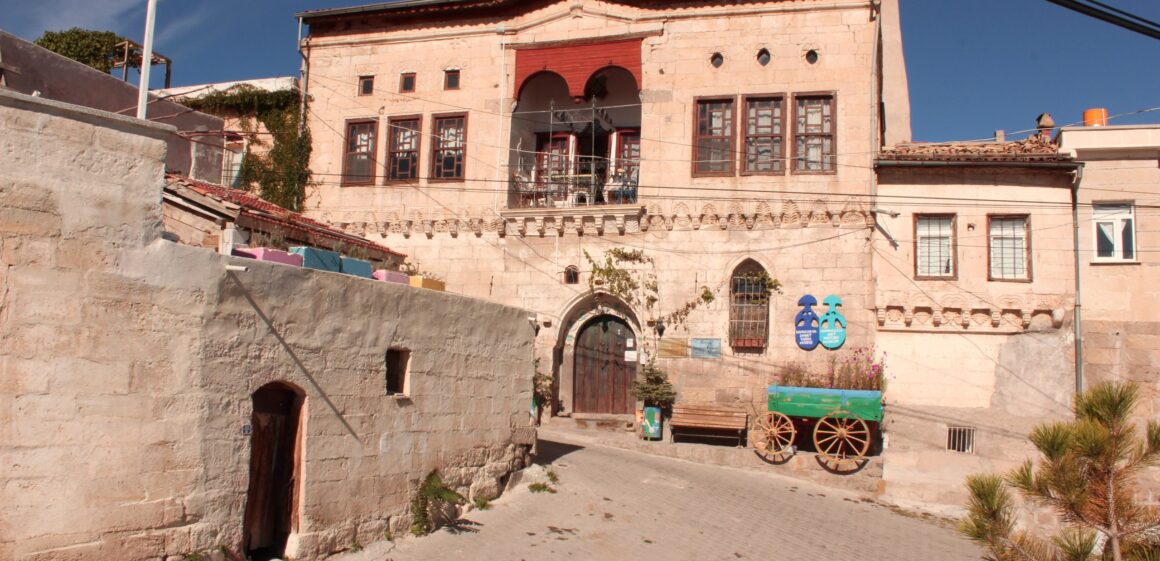
The two-storey building with a hipped roof has a polygonal plan
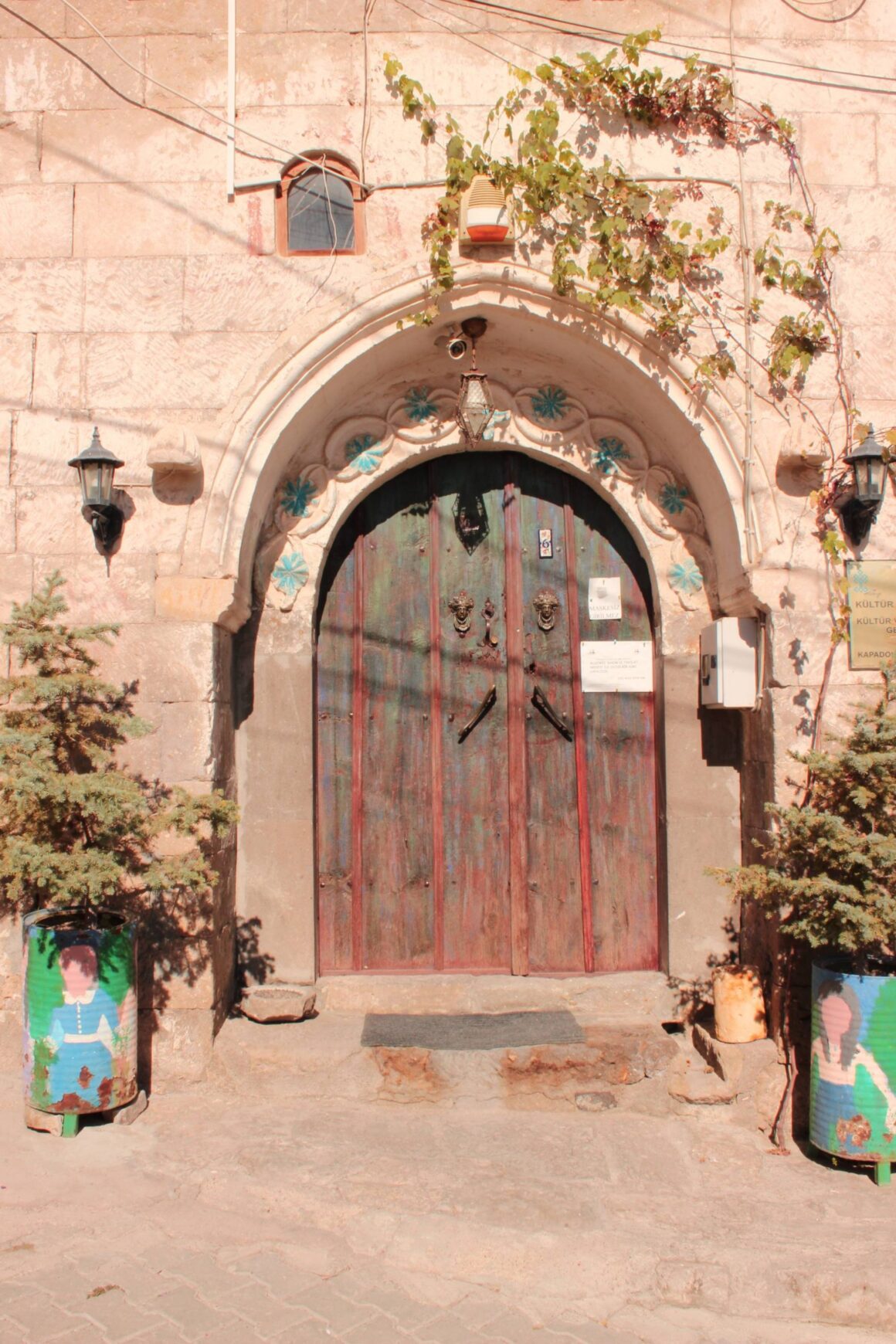
. The main entrance door is located in a deep niche with a pointed arch on the south-east façade of the building. A closed hall is entered through the door, and from there, steps lead to the open courtyard on the north-western façade of the building. Access to the upper floor is provided by stairs from the courtyard. There is a balcony on the upper floor and three rectangular windows on each side.
Stone material was used in the walls of the building, which were made with masonry technique, while wooden material was originally used in the door, ceiling and window elements. On the south wall of the main room of the mansion, there is a picture of a flower in a basket depicted in a niche. In the lower right corner of the picture, it is written that it was painted in 1860 by the painter Kostis Meletiades. There are many mansions and churches painted in this area by Meletiades, one of the most colorful figures of the village, a painter, musician and also a poet. At the same time, a historical treasure in the mansion attracts attention. On the burial, a handwriting was read in Ottoman Turkish (“لازارس ولد واسیل”) meaning “Vasil, Son of Lazaros” and “۱۲۳۶” indicating the year 1820 in Gregorian. This note supports that the person who built the house was a person from the Lazaros family, known by the nickname “Maymunoğlu”.


