About
About
The borders of the Cappadocia Region, which is geographically and topographically unique in the world and is located on a belt formed by volcanic activities, are not very clear. Today, it mainly covers Nevşehir, Aksaray, Niğde, Kayseri, Kırşehir and Yozgat provinces. Ürgüp, Göreme, Avanos, Gülşehir, Ihlara, Derinkuyu and Acıgöl are the region that covers the area called “Central Cappadocia”, where tourism is concentrated and known for its unique view consisting of the surfaces of volcanic rock masses, popularly called “fairy chimneys”. With its location, fertile lands and sheltered and natural shelters, the region has hosted many civilizations throughout history, thus adding cultural riches as well as natural riches to the region.
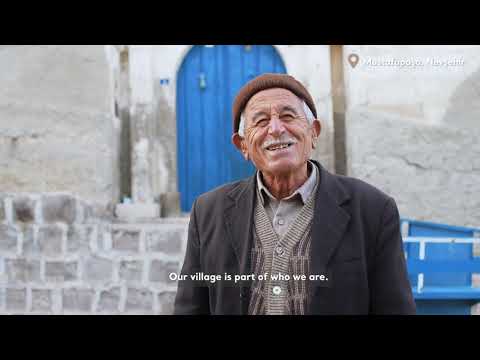
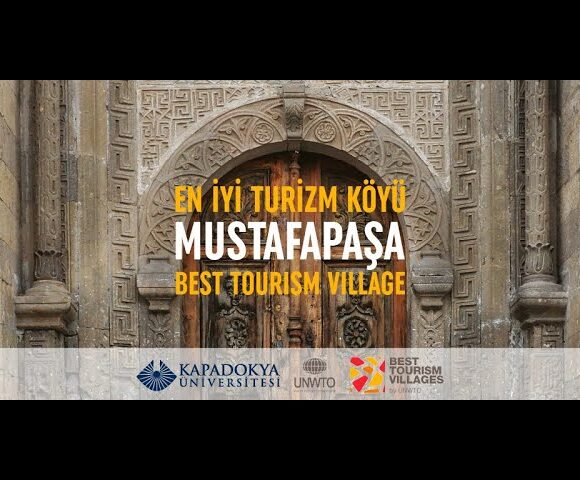
In the heart of Cappadocia, Mustafapaşa (Sinasos), one of the least degraded settlements of the region, is a unique village containing historical buildings that exhibit a texture that is extremely suitable for the environment. Mustafapaşa, which can only be perceived as a “small Anatolian town” when viewed from the map, is a remarkable place with a very rich history as you delve deeper into it. While this impressive settlement, located approximately 30 km southeast of Nevşehir and approximately 5 km south of Ürgüp, was treated generously by nature, giving it a dazzling beauty, its historical and cultural richness made it a more special position in the region… While approximately six hundred Greek families, constituting the majority of the village population, migrated to Greece with the Population Exchange (1924) carried out within the scope of the Treaty of Lausanne, approximately three hundred Muslim Turkish families, who came with forced migration from Thessaloniki, He settled in Mustafapaşa, which is known today.
As can be seen in the documents, records and edicts dated 1476, 1879, 1924, 1927, in previous periods the name of the village was Sinasos (Sinesos/n); In medieval sources, she is referred to as “Asuna”. Mustafapaşa is of great importance as it is perhaps the settlement that left the most traces in Anatolia after this exchange. In the town, where the Greek population was more dense, not only in the 19th century but even during the population exchange, many magnificent residences were built by the Greeks, as well as new churches.
Before the Greeks left these lands, this charming settlement was photographed in detail under the leadership of Serafim Rizos, a member of one of the most prominent families of the village. These photographs, which were later included in the book “Sinasos” published under the editorship of Evangelia Balta, not only helped us visualize the state of the village today, especially in the 19th century, but also contributed greatly to the preservation of this valuable cultural heritage. With its churches, mansions, madrasahs and mosques that can still be visited today, Mustafapaşa is a concrete example of how people from different religions lived in peace and tranquility for hundreds of years and created a common culture that created magnificent settlements.
Cappadocia University has the privilege of starting its education life in this village with a unique cultural heritage as Cappadocia Vocational School in the 2005-2006 academic year…
NEWS FROM US
Interviews & Publications