Mustafapaşa Cuisine
Nutrition is the first step in sustaining human life, and it plays a crucial role in the formation of culture as well as daily life. The importance people place on food and drink has led to food becoming a significant part of social and religious celebrations, serving as cultural indicators. In other words, food, which is among the basic necessities of life, is also one of the main elements that influence, shape, and constitute the culture of a society.
For example, even when we look only at the food culture of Mustafapaşa, we can talk about many elements related to it, based on this intangible cultural heritage that has developed over centuries. Today, on the table of a person from Mustafapaşa, we can see the traditional dishes of the Turks who lived here during the Ottoman period; and whether we are aware of it or not, we can also encounter traces of the eating habits of the Greeks who migrated from here with the Population Exchange. In addition, we can say that today, the traditional dishes of the village mainly consist of dishes of the immigrants. In short, it can be said that Mustafapaşa cuisine is a blend of three different identities. As is known, Anatolian Turks, who were sent to the newly conquered territories in the Balkans due to the settlement policy at the very beginning of the Ottoman Empire’s establishment, were settled in the areas around present-day Thessaloniki and Macedonia, and resided in the Balkans for approximately six hundred years until the forced migration required by the 1924 Treaty of Lausanne. These immigrants, who returned to their homeland in 1924 and are defined as “muhacir/mübadil” (immigrants/exchangees), brought their acquired culinary culture with them. The immigrants, who live predominantly in Mustafapaşa, largely keep alive the dishes they added to their cuisine in the Balkans. These passed dishes down from generation to generation, enriching the variety of the village’s cuisine. The dishes, which are mainly based on pastries and appetizers (appetizers), have largely been shaped according to the vegetation of the places where they lived in the Balkans. Among these, the most commonly eaten dishes are sauerkraut-filled presul pita, bean pie called fasulnik, maznik (also known as muhacir böreği), and muhacir mantısı.
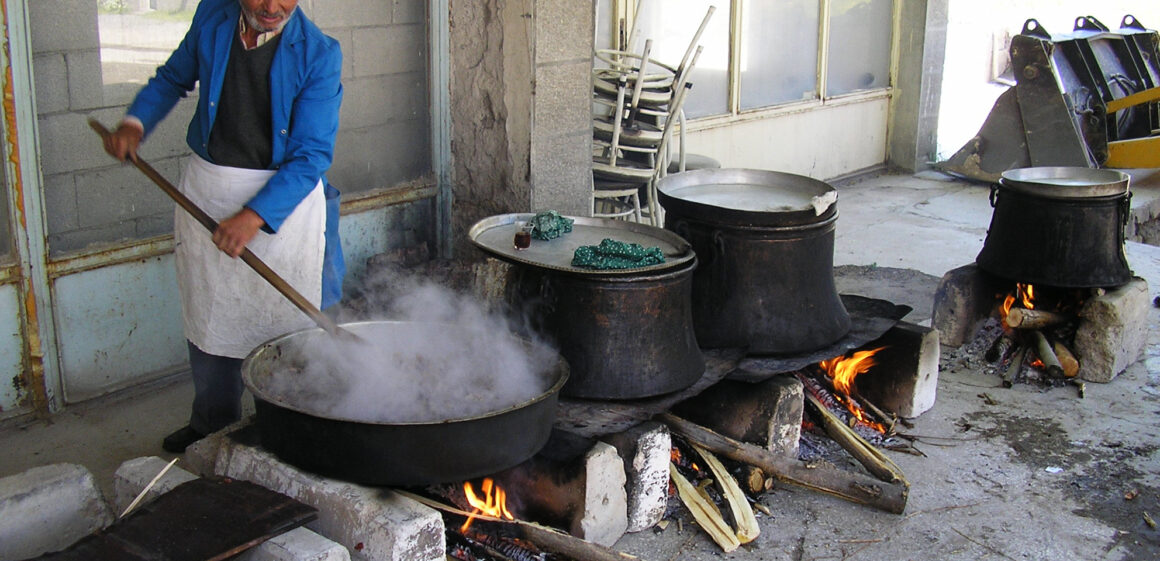
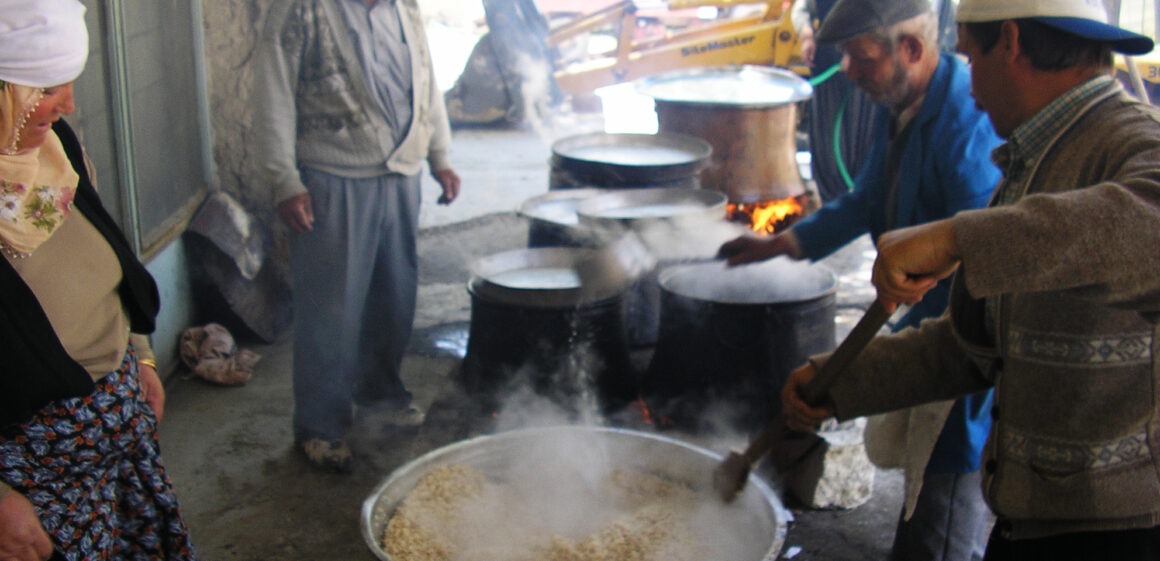
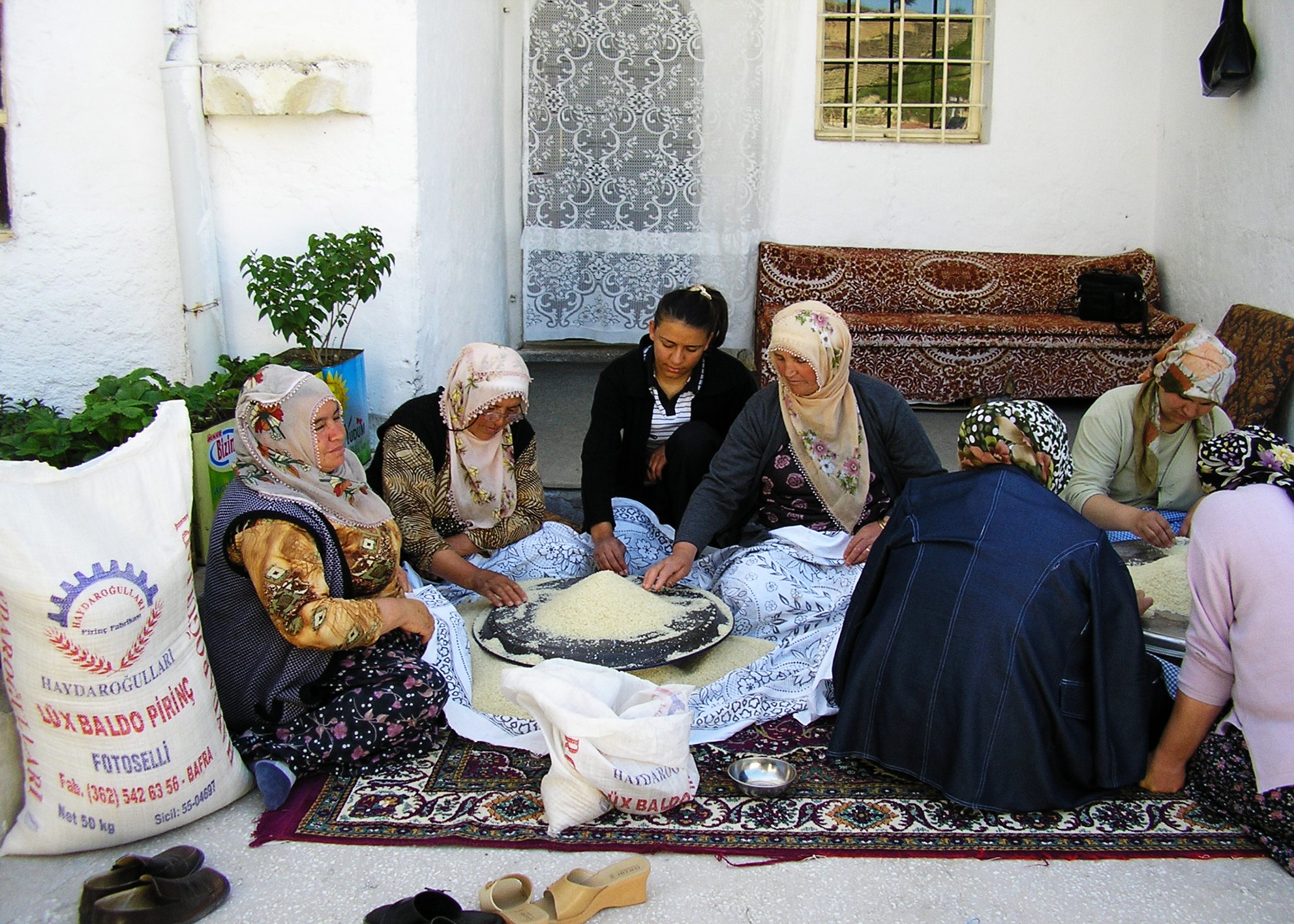
The immigrants also formed a mosaic by being influenced by the food culture of the regions where they settled within the borders of the Republic of Turkey. Mustafapaşa village is one of the best examples reflecting this situation. During the Ottoman period, many of the dishes cooked in the kitchens of both Turks and Greeks consisted of tandoor-cooked meals. In addition, the native Turks of the village did not hesitate to include immigrant dishes in their kitchens and adopted them. Today, both the natives and the immigrants of the village continue to keep the rich shared food culture alive.
In fact, like many things that change, the food culture has also changed its course and style many times throughout history. It has changed and developed over time with fundamental determinants such as geography, race, and ethnicity.
For example, during the Ottoman period, fish was an indispensable element of the tables, especially for the Greeks. The salted fish trade that the villagers held in Istanbul must have had a great influence on this.
At the same time, pigeon meat was once preferred by both Turks and Greeks during the Ottoman period.
In summary, although the food culture in Mustafapaşa has undergone some changes over the centuries, it has enriched itself by adding new flavors and recipes to the existing ones, thus taking its present form.
To explore the cuisine of Mustafapaşa, you can visit our website Gastronomy Cappadocia.