
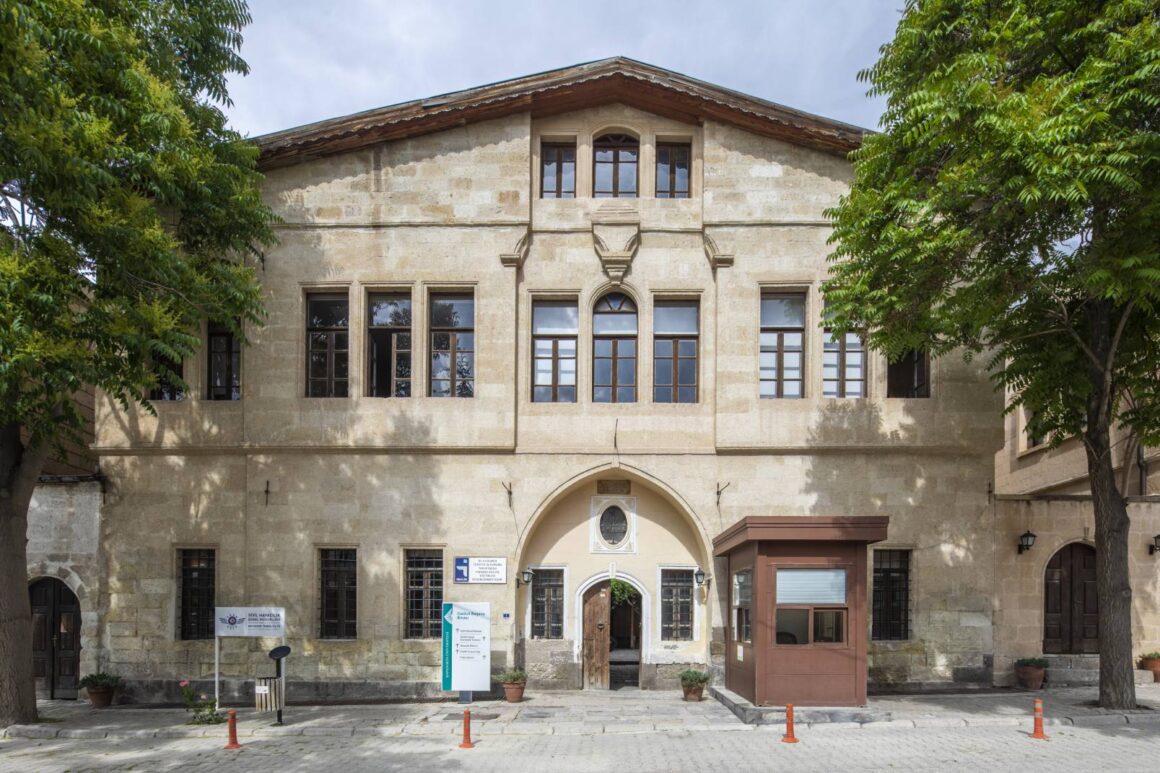
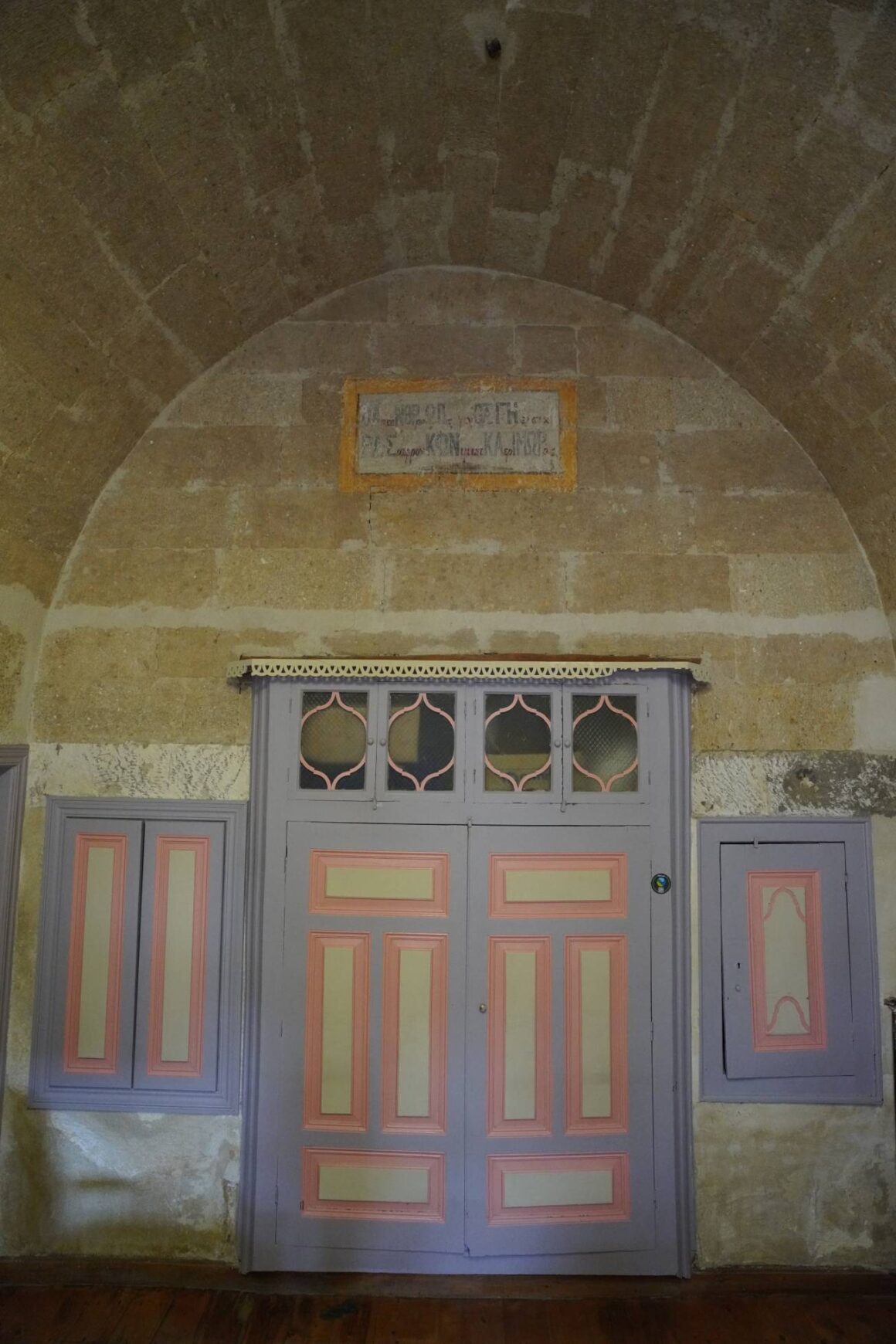
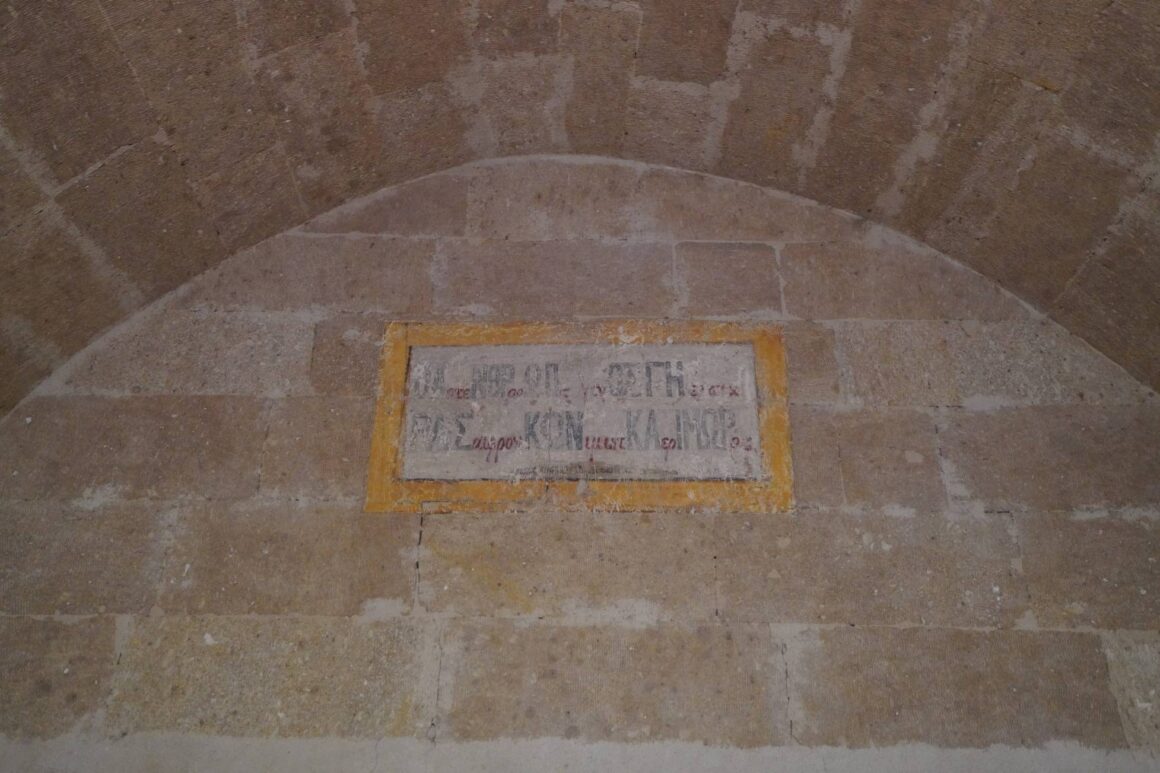
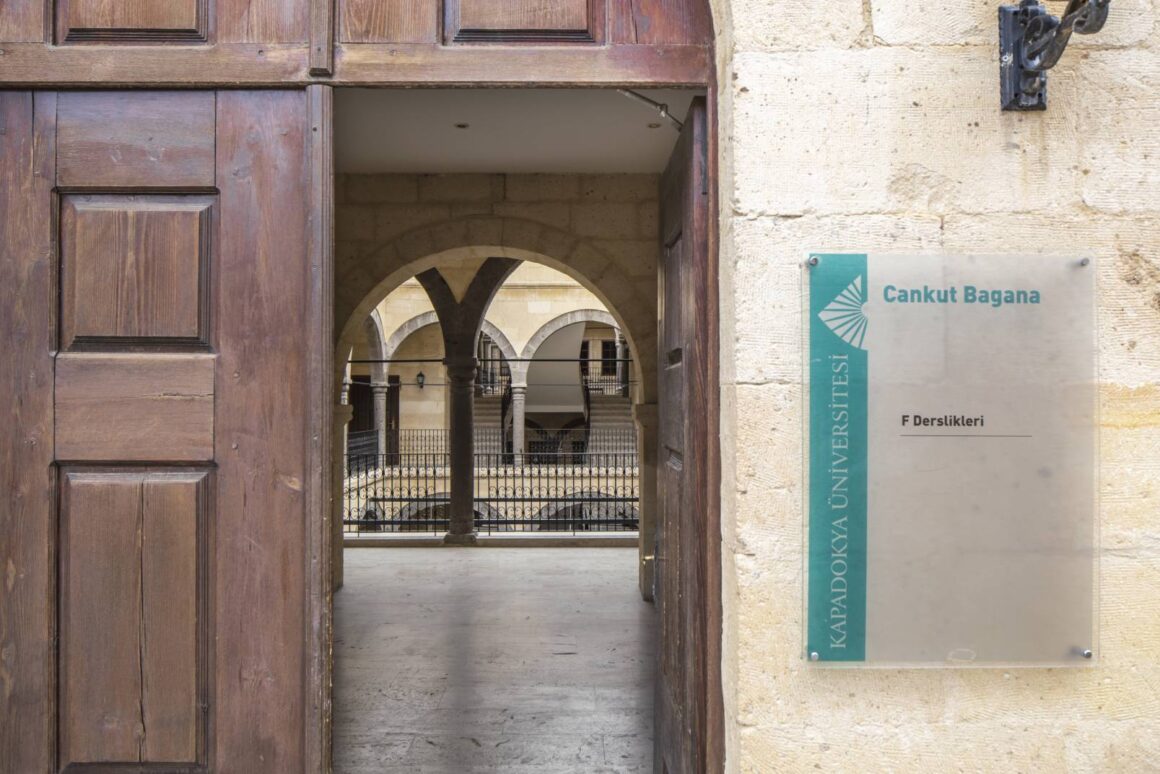
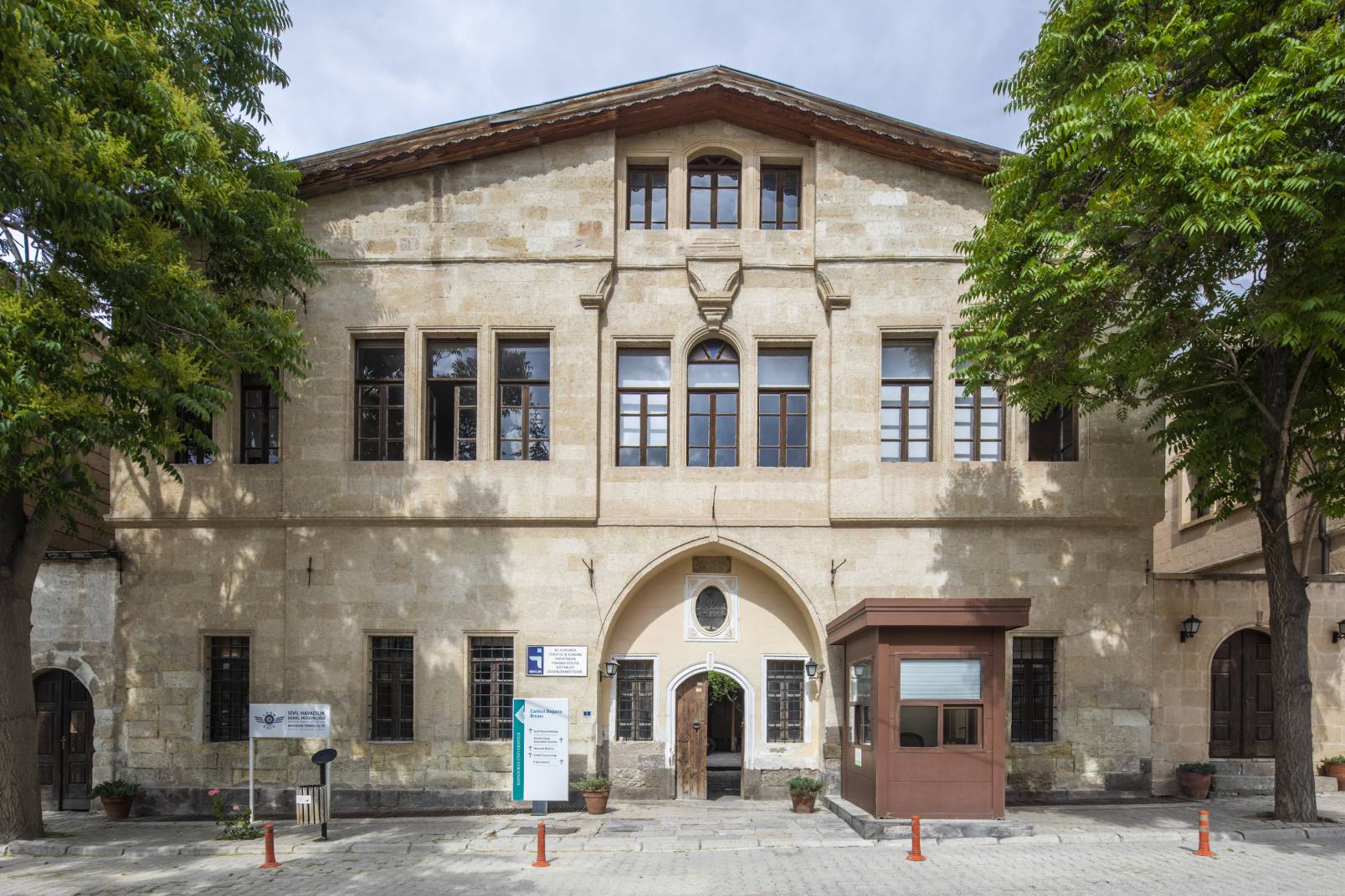
It is known that the building, which was completed in 1900 according to its inscription, was built by Andonis Poligenidis, nicknamed Kabasakal, who was an important caviar merchant in Istanbul. Serafim Rizos, who later became the son-in-law of the Poligenidis family and one of the important figures of Mustafapaşa, lived in the mansion. The mansion, where the Korkmaz family lived for a long time after the population exchange, was converted into a carpet sales store with the addition created by combining the buildings in the 1990s. Cangut Bagana, one of the partners of the company that carried out this transformation of the building and one of the leading names in the tourism industry, transferred the right of use of the building to Cappadocia University in 2016. Today, the building is named after Cangut Bagana in memory of this contribution.
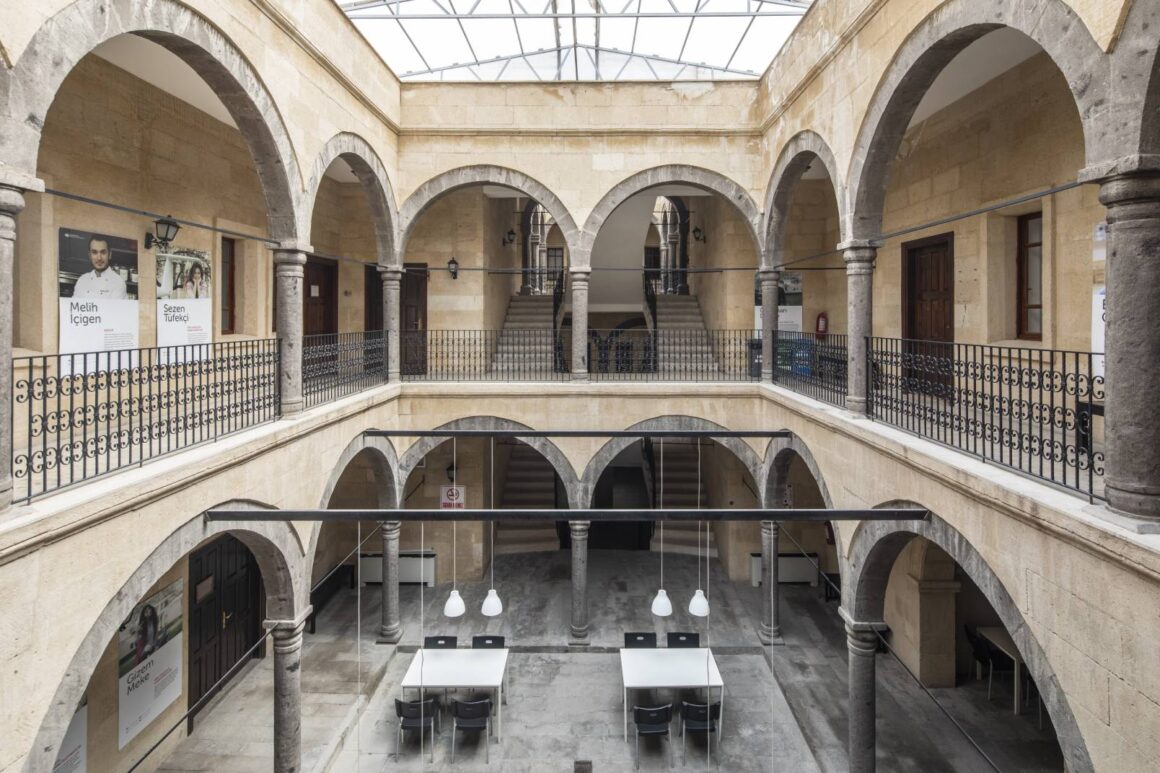
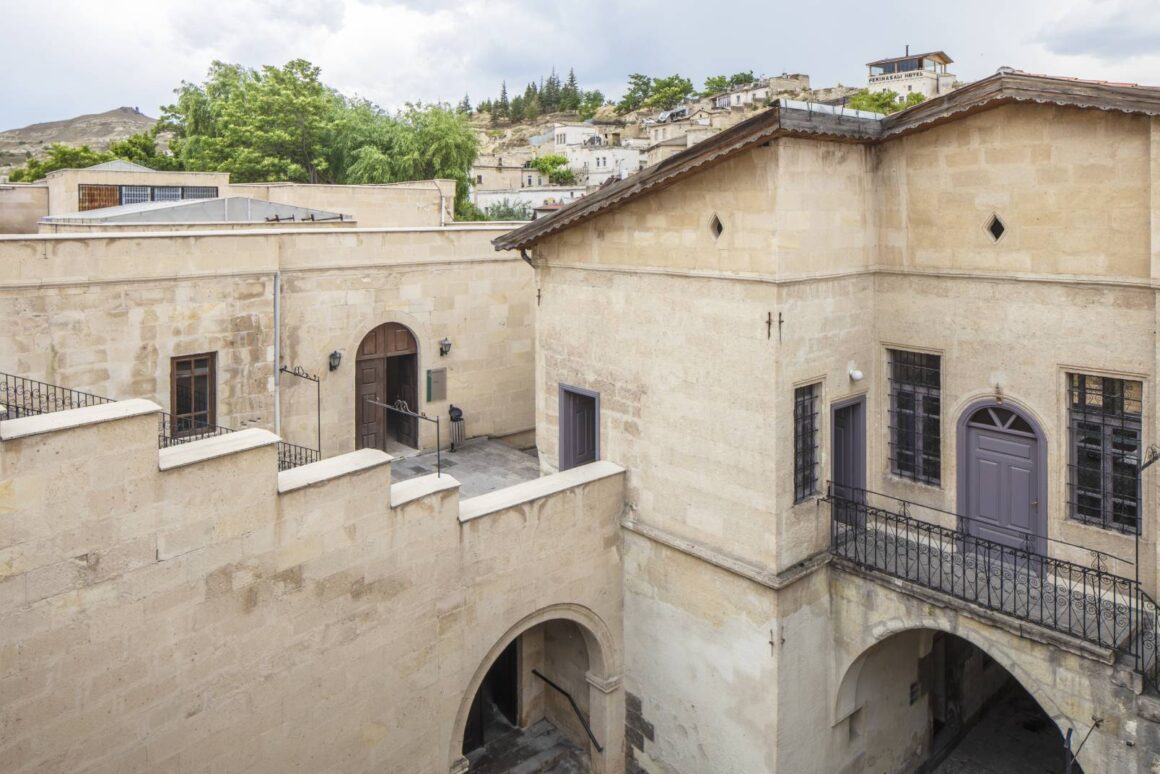
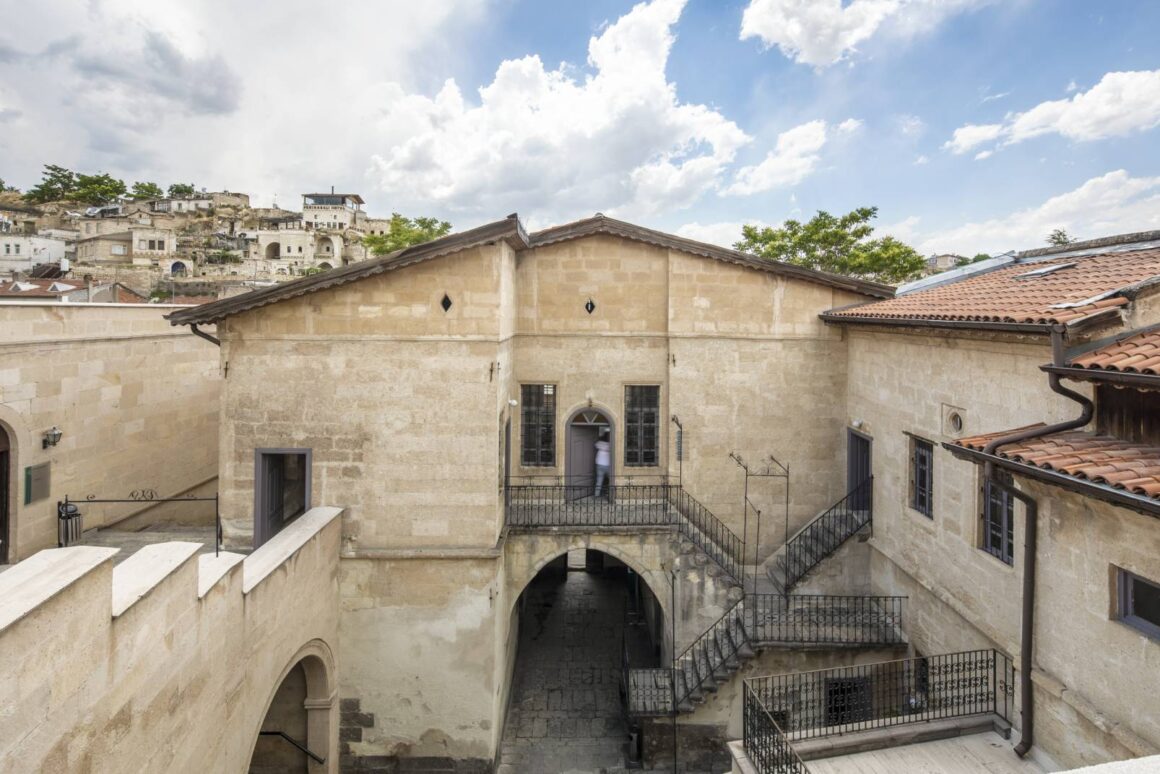
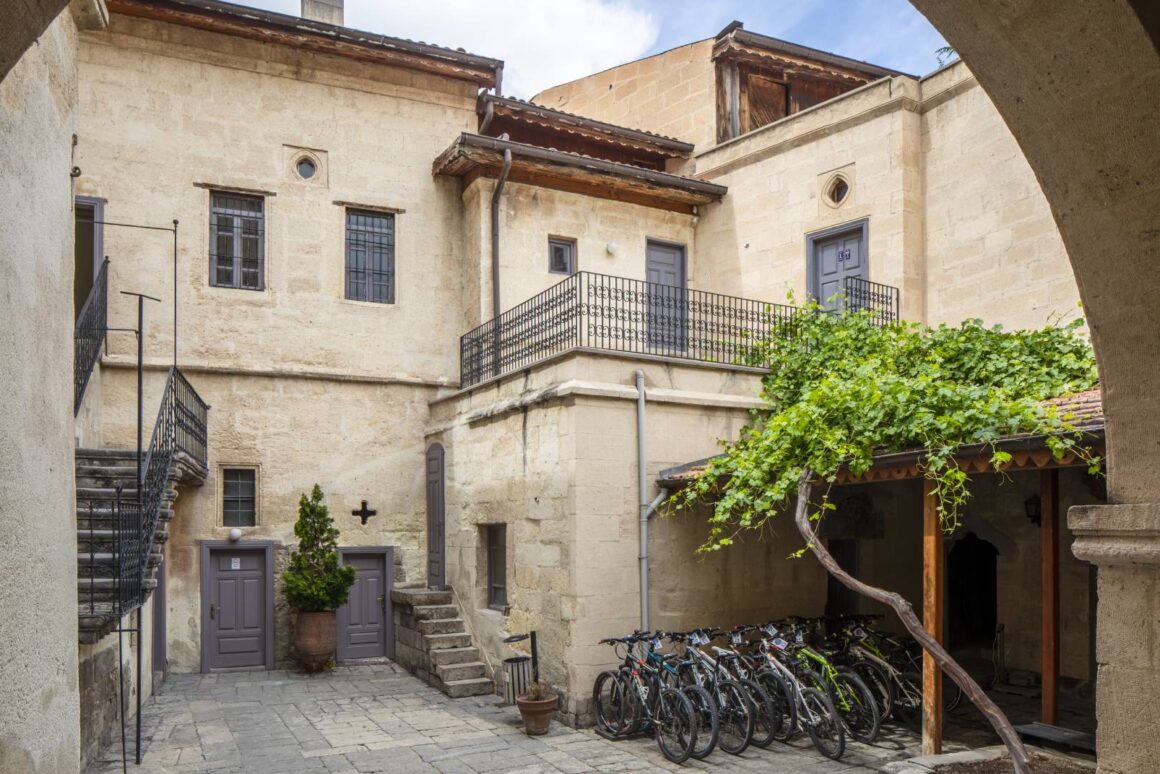
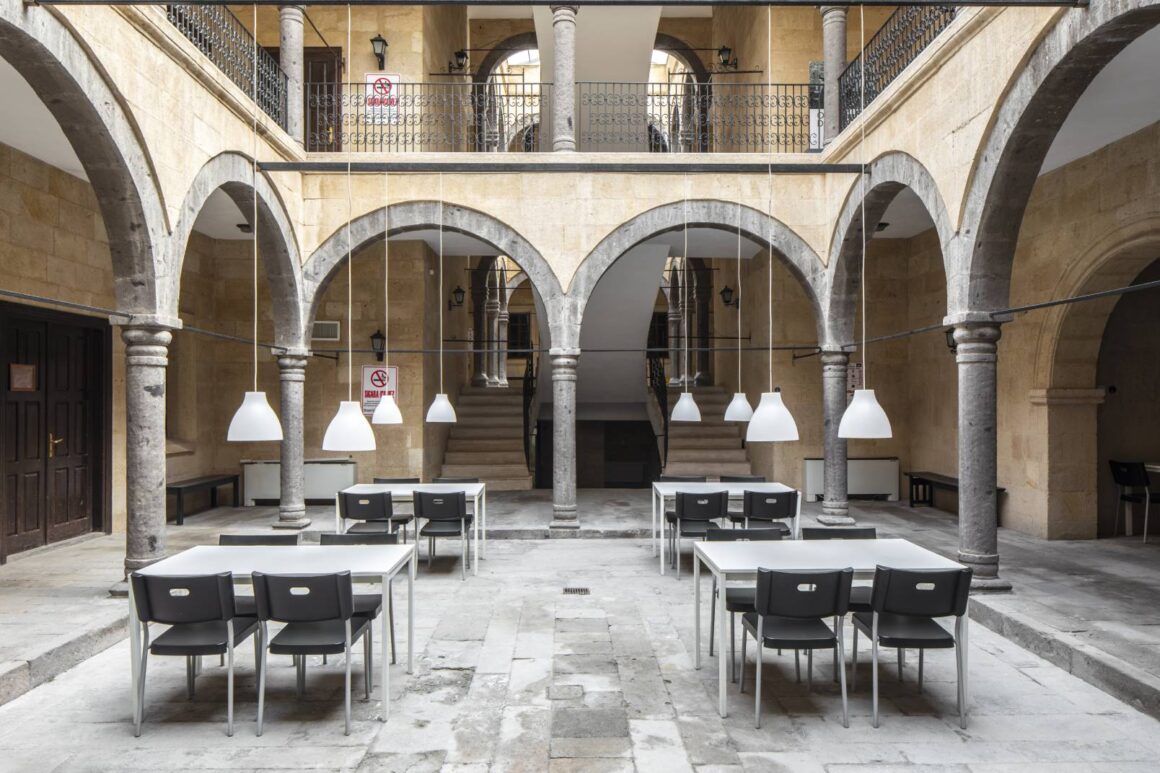
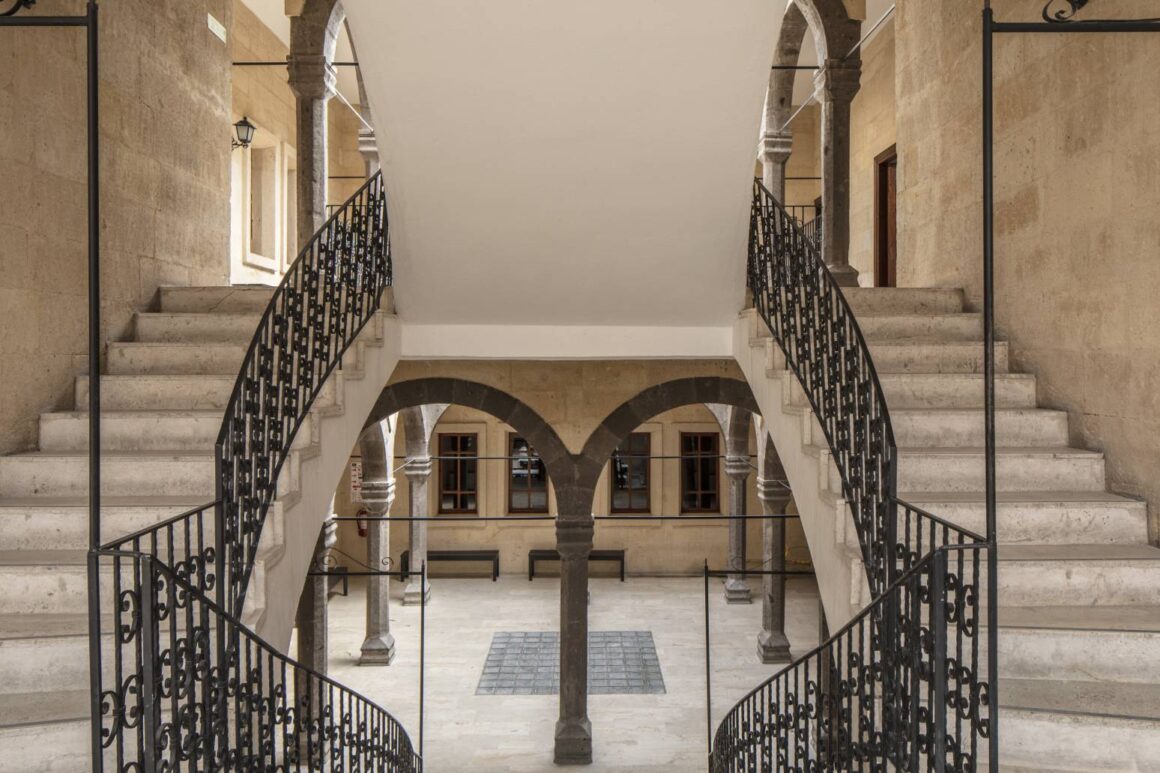
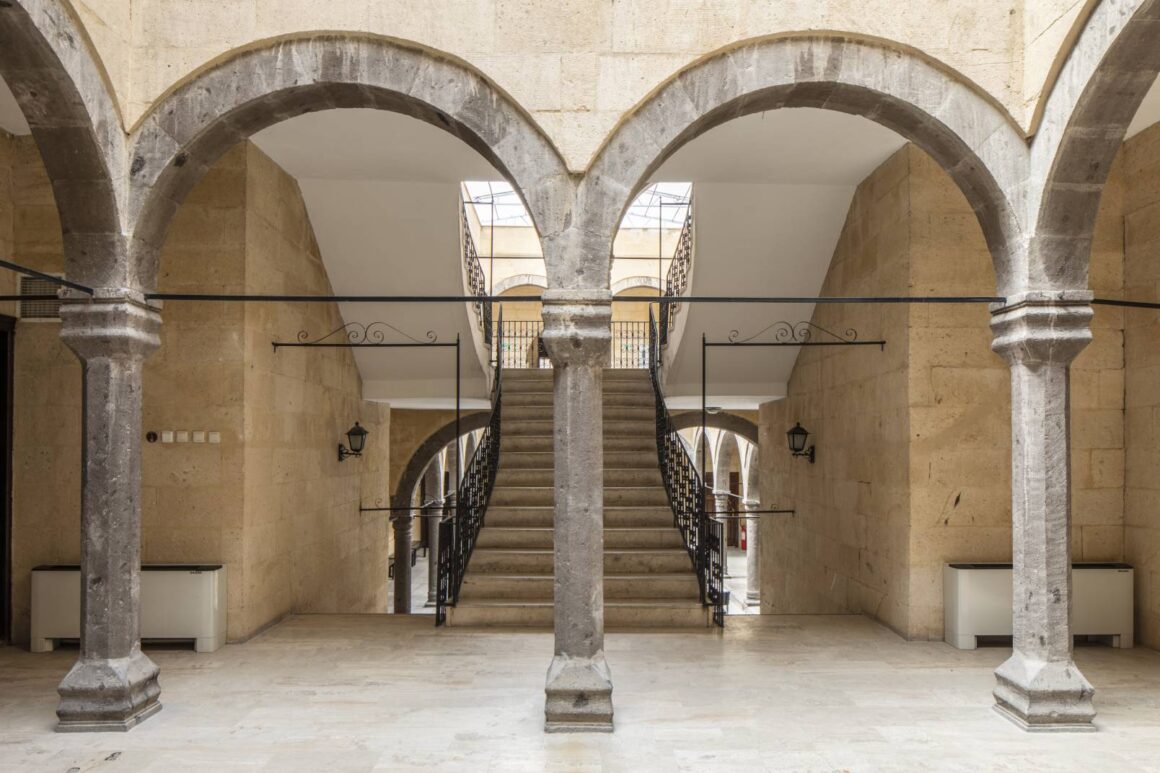
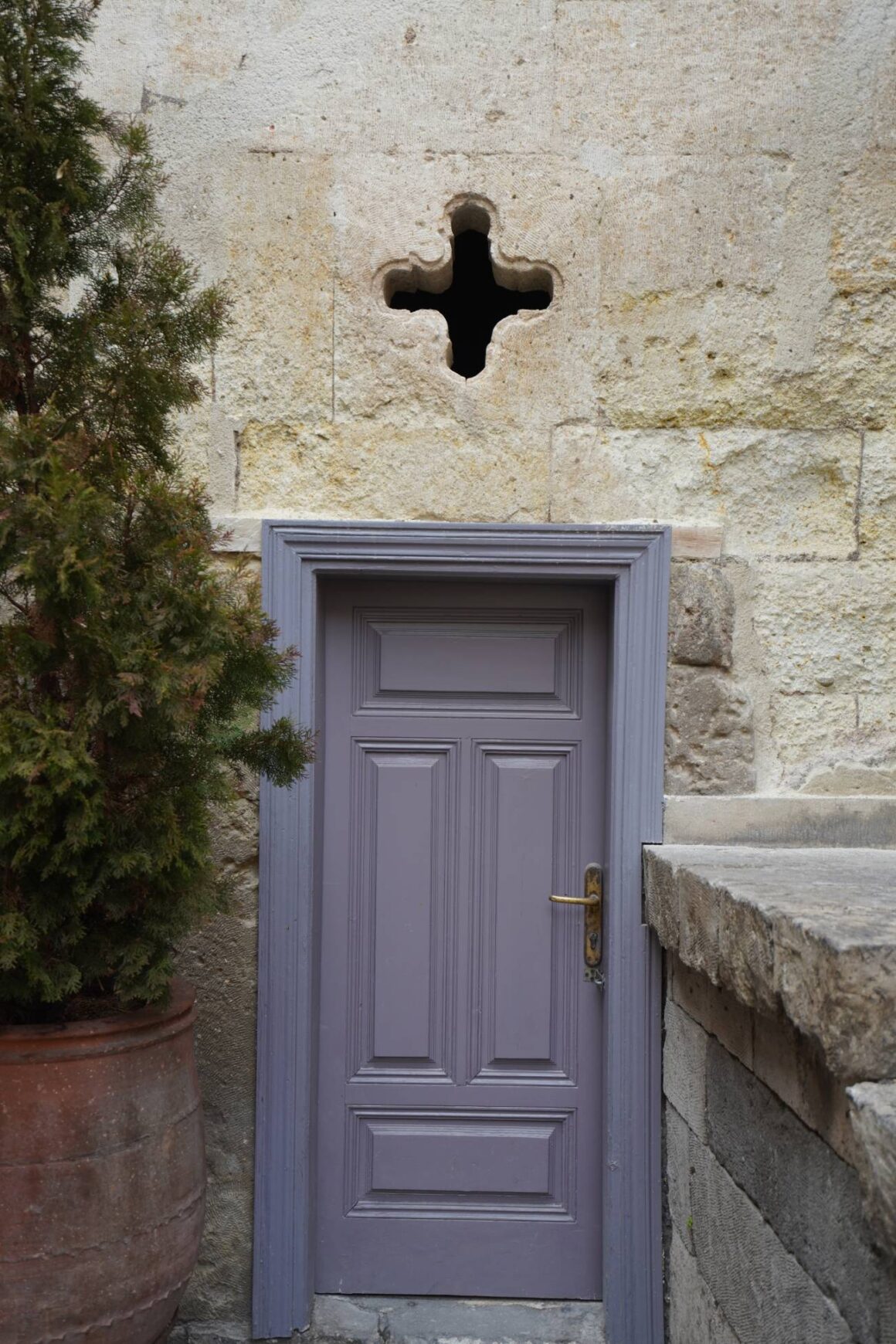
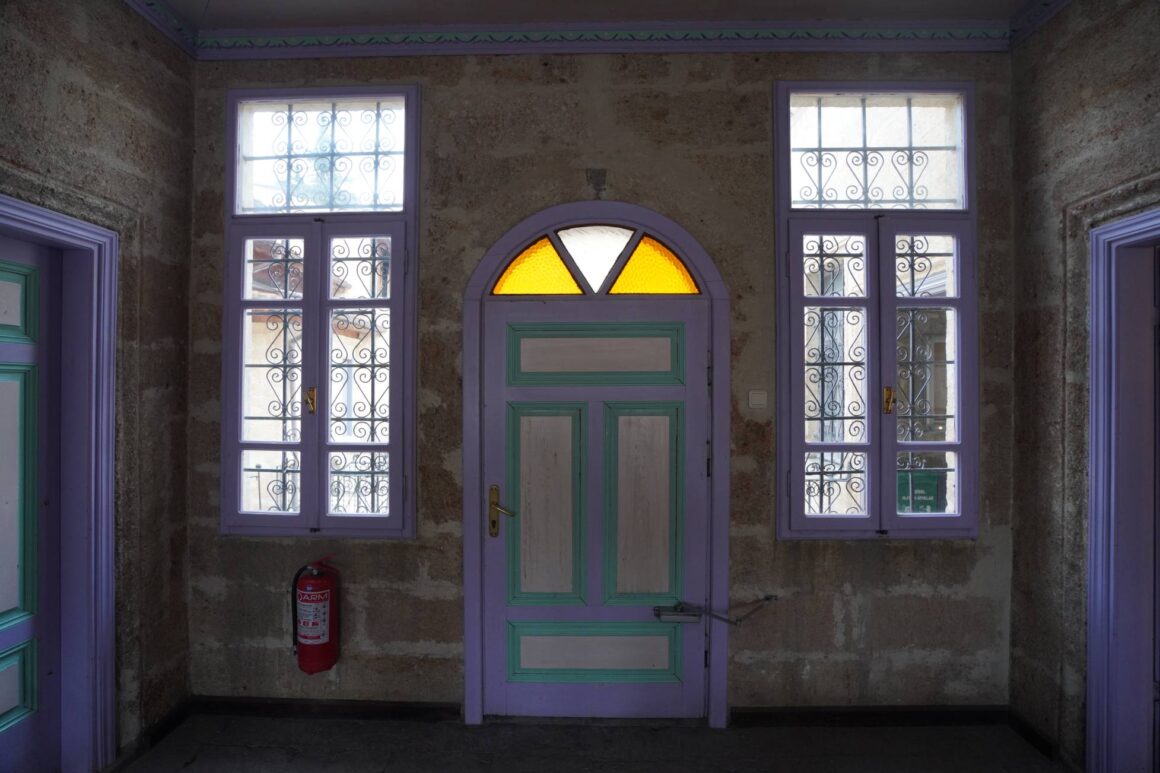
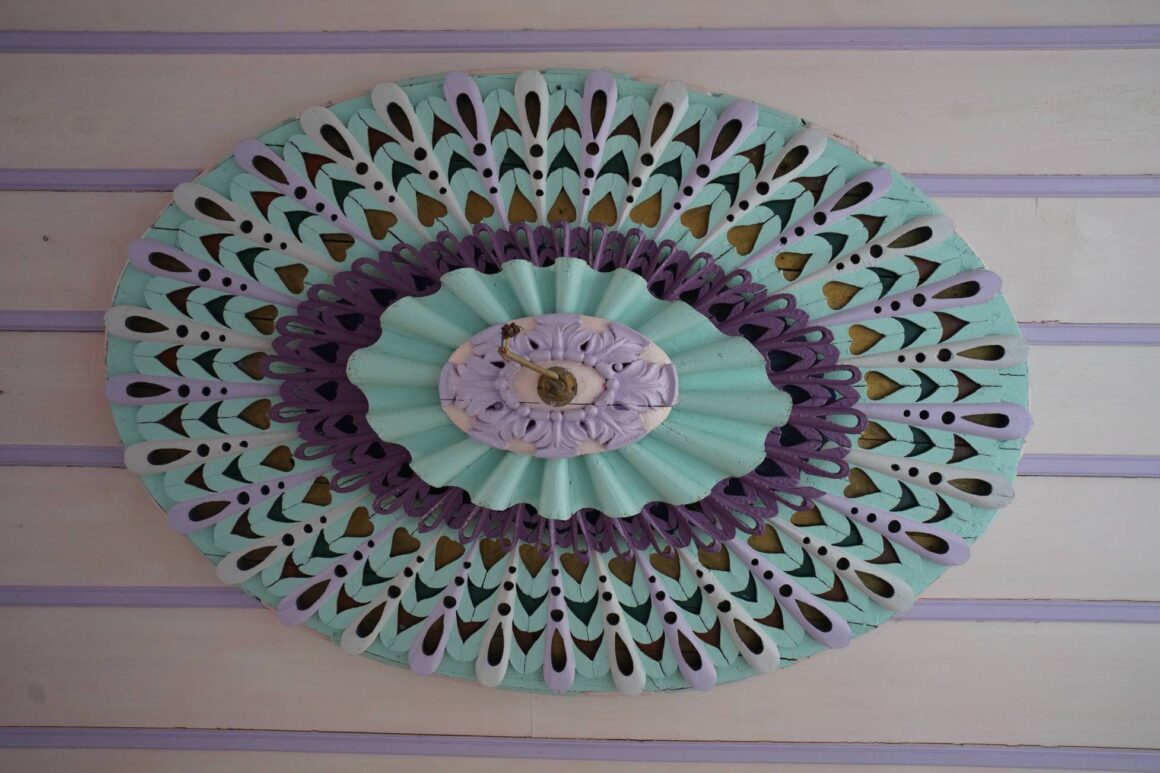
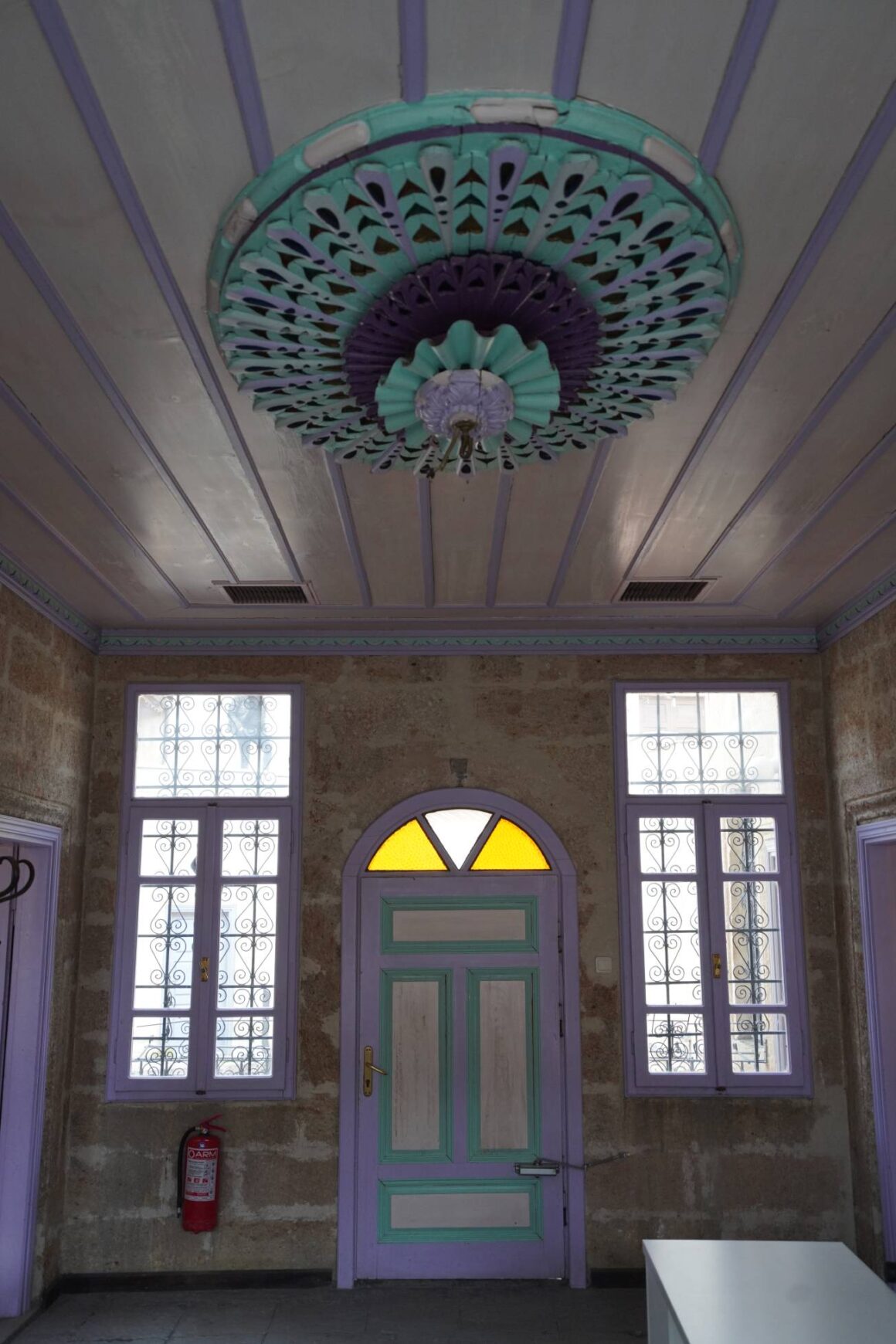
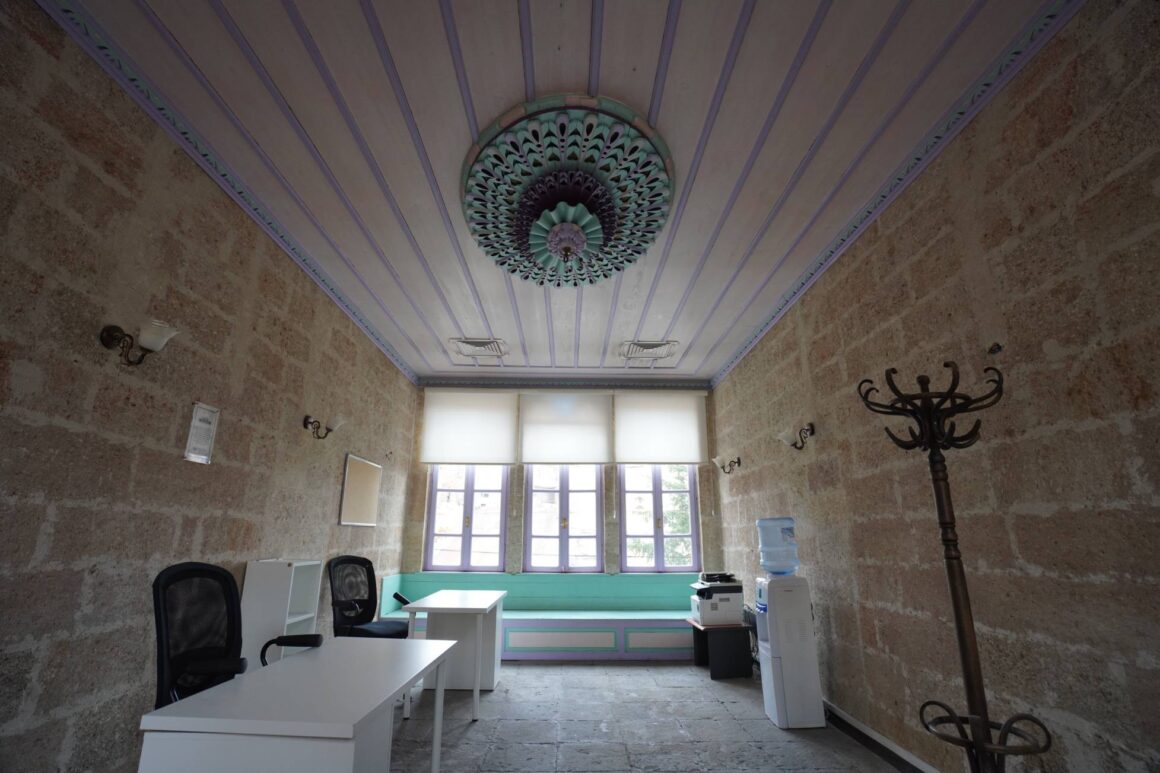
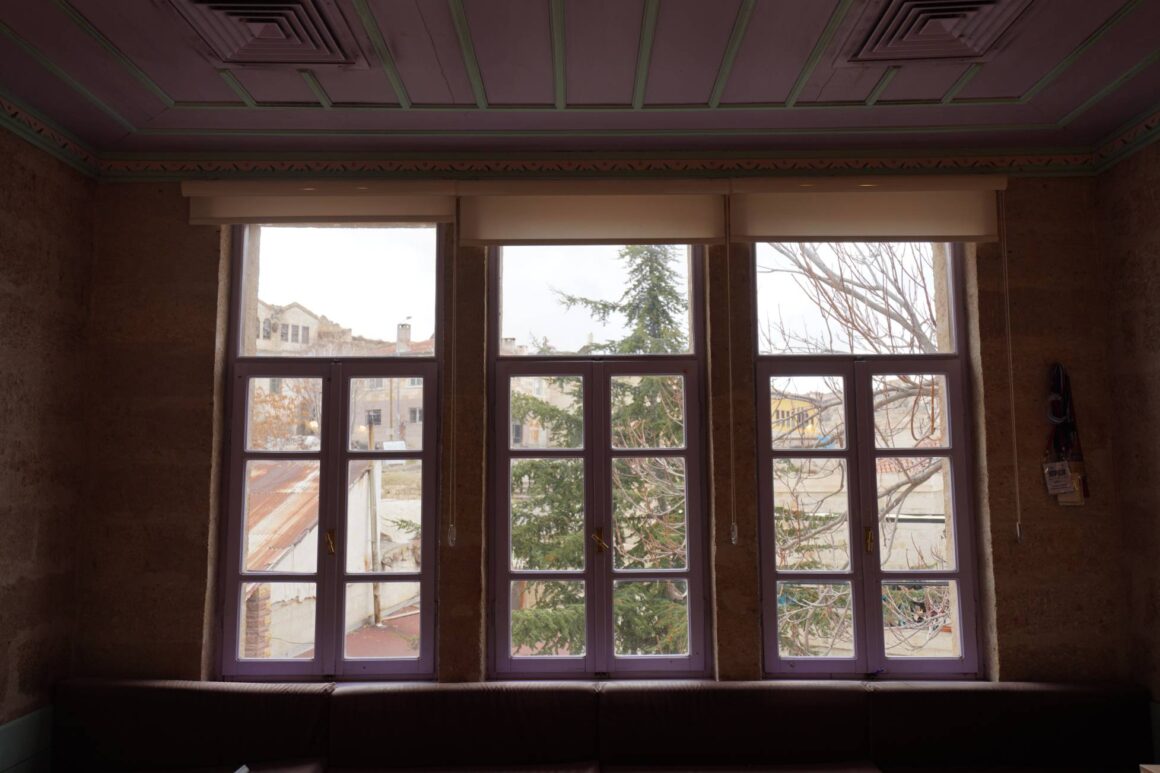
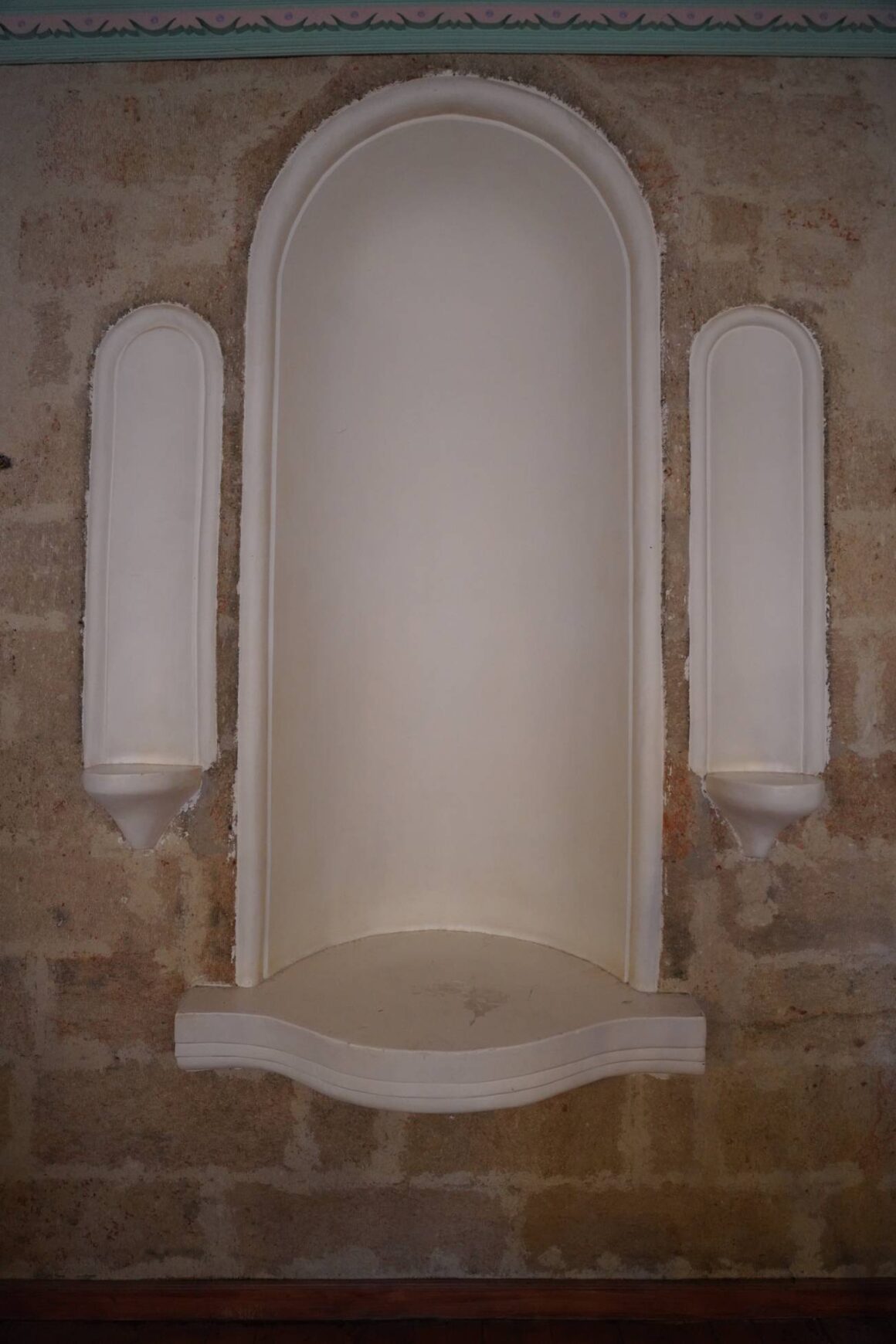
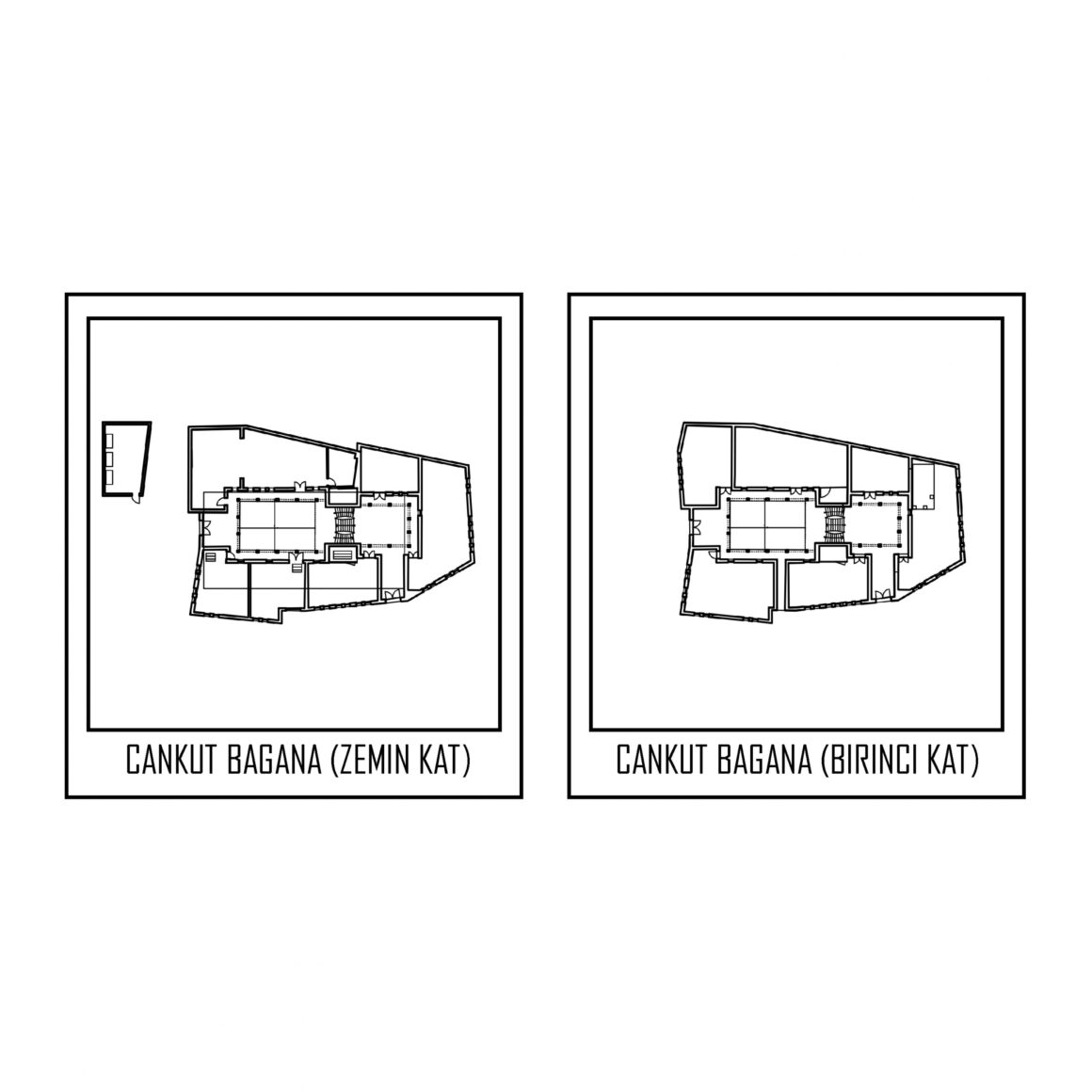
The historical part of the building has two floors and a rectangular plan. The main entrance door on the southwestern façade of the building is located in a pointed arch niche. From the entrance gate, you can enter a vaulted and closed courtyard, and from here you can enter the open courtyard. The rooms and the first floor are reached via stairs from both sides of the covered courtyard. The building, which has rectangular planned rooms, is covered with a wide eaves roof. The walls of the building, made with masonry technique, are made of stone; Wooden materials were used for doors, ceilings and windows. The original wall paintings in the mansion have not survived to the present day. This may be due to part of the structure being heavily damaged by fire. In the 1950s, for an unknown reason, a huge fire broke out in the mansion, the attic of the mansion burned down and this section was completely destroyed. In the 1990s, the building was restored and the attic was rebuilt to its original state.


