
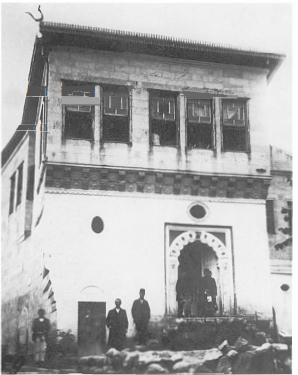
The owner of the mansion, which is estimated to have been built in the second half of the 19th century, before the exchange, was a member of the Makroğlu or Makropulos family. This family was one of the most privileged and prominent families in Mustafapaşa before the population exchange. Ilias Makris, whose name is mentioned in the records as one of the eldest of the family, is the person who pioneered the commercial activities in Istanbul. One of his sons, Hacı Vasilios, founded the “caviar producers’ guild” in Istanbul; He became rich from the trade of fish, caviar and salted fish and owned property in the Mehmet Ali Pasha Inn in Galatasaray.
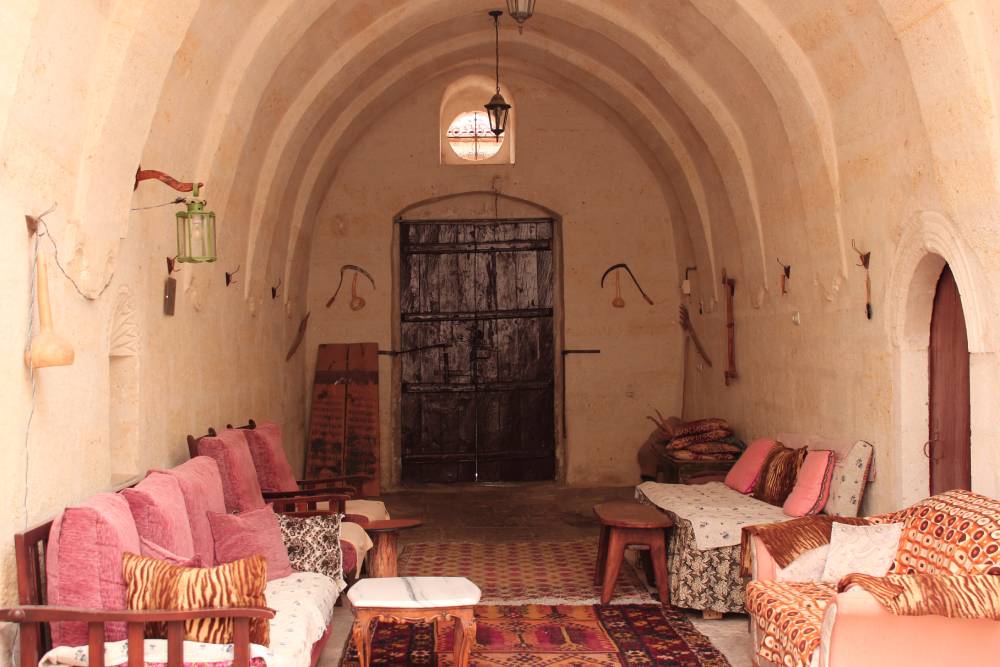
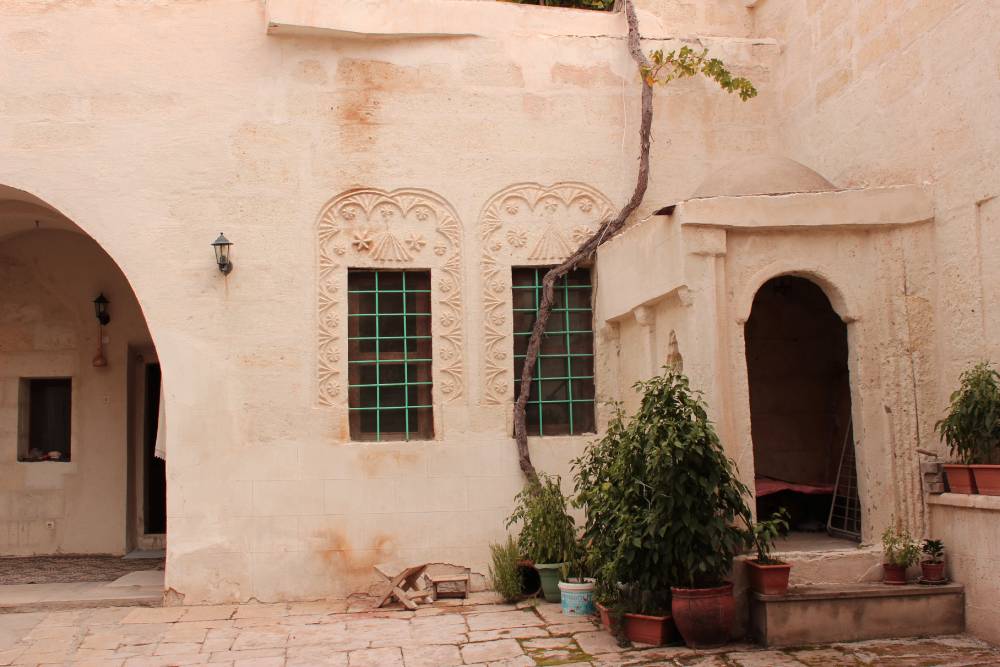
After the exchange, Fahri Erbil and his family settled here. That’s why today this building is called by the name of the family by the village people. Today, the mansion maintains its original function and is used as a home by the same family. Although the upper floor was partially destroyed, the remaining part of the mansion is quite well preserved and its architectural and decorative elements are in good condition. The two-storey building made of cut stone is accessed through an arched wooden door on the south-west façade and a symmetrical four-step staircase on both sides designed adjacent to the building.
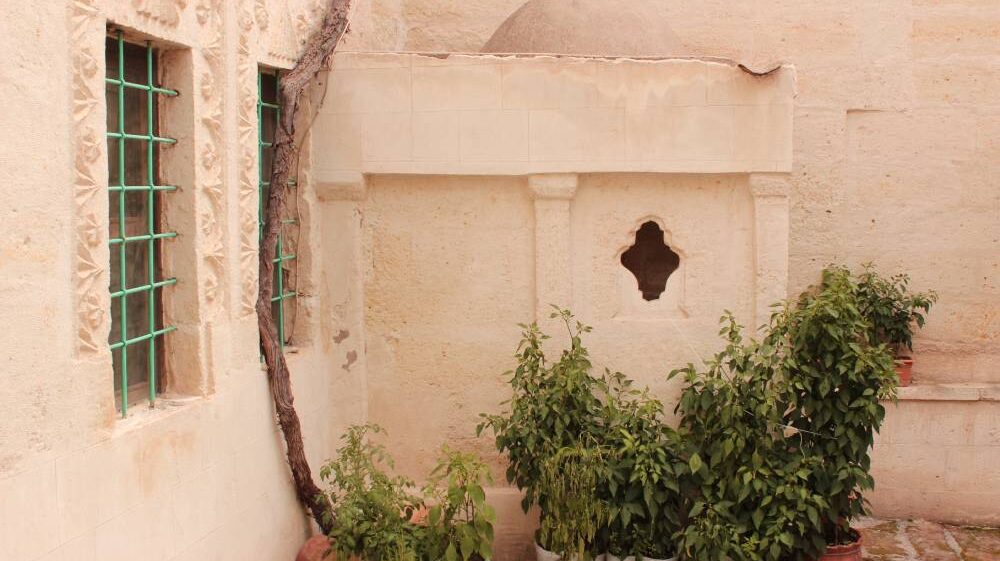
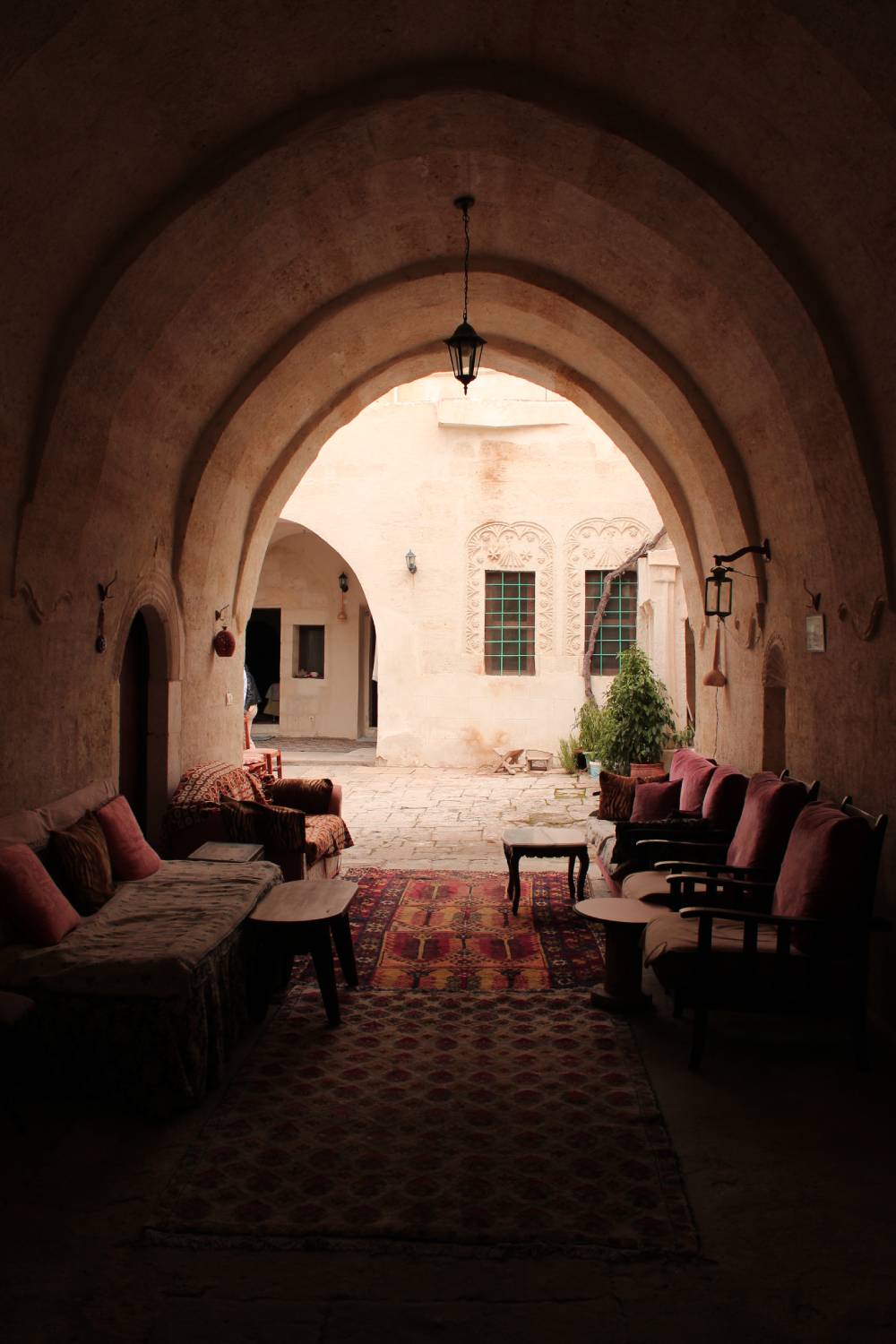
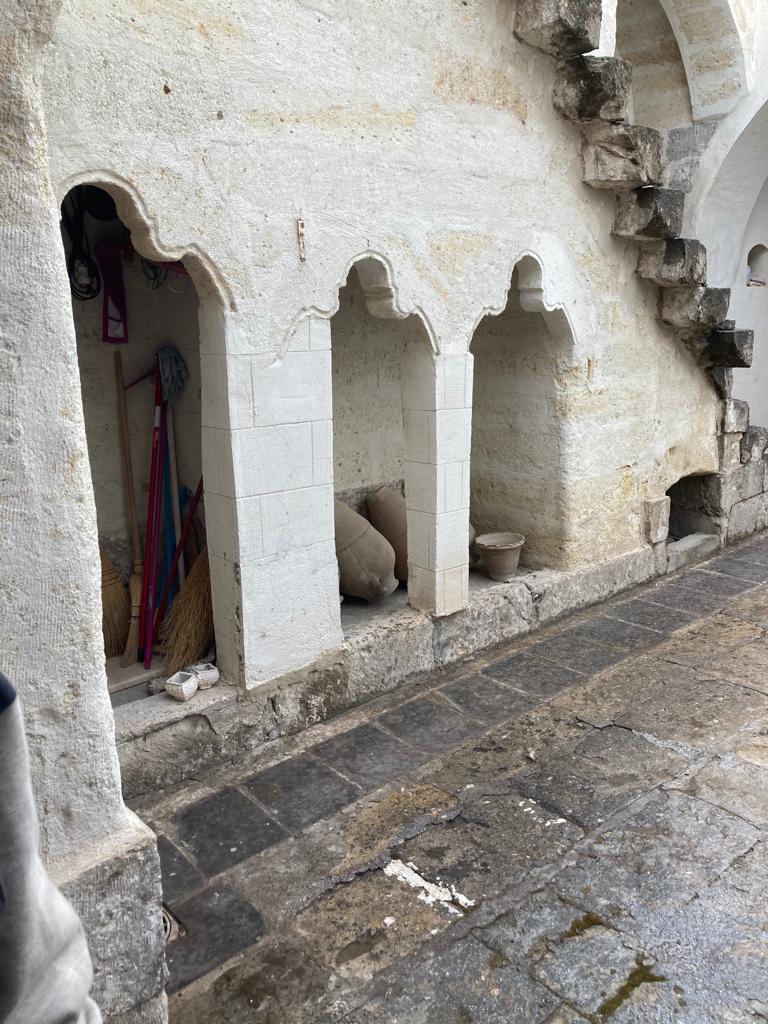
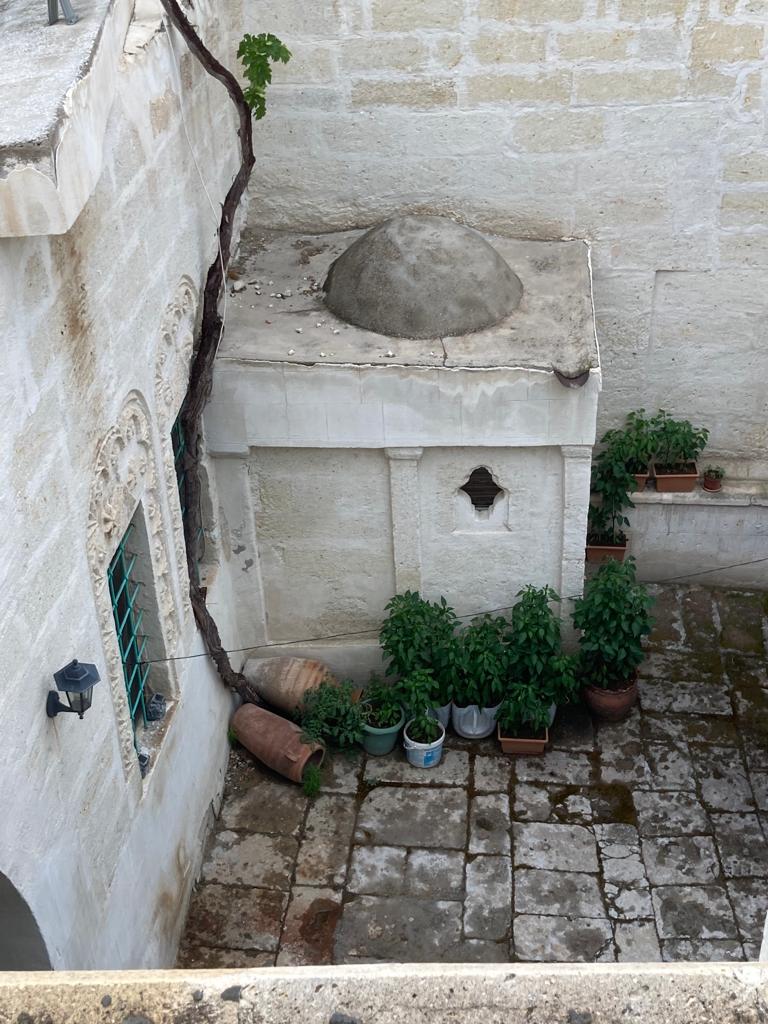
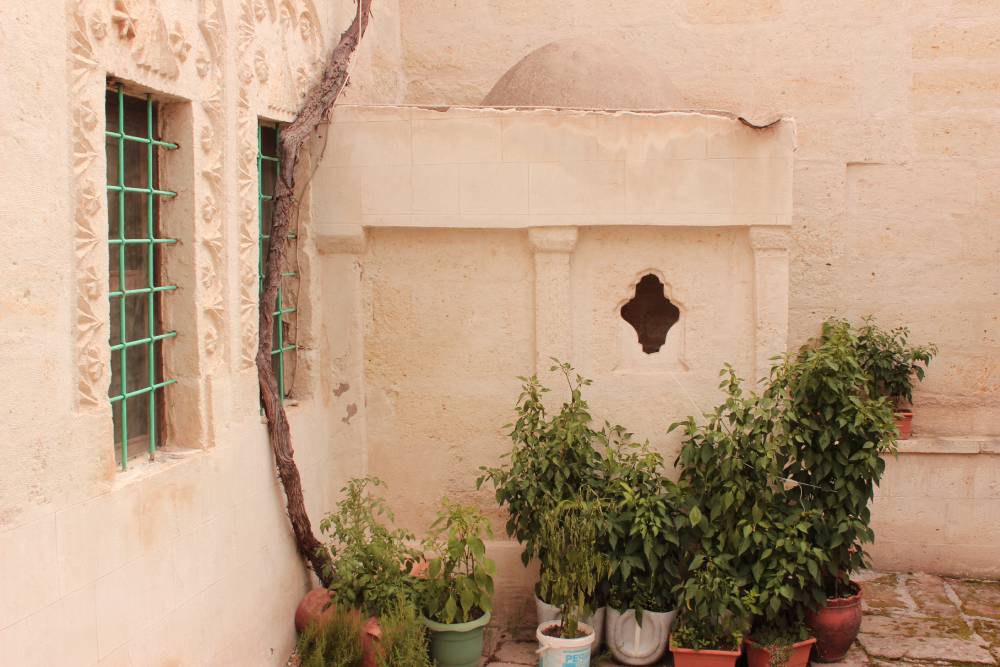
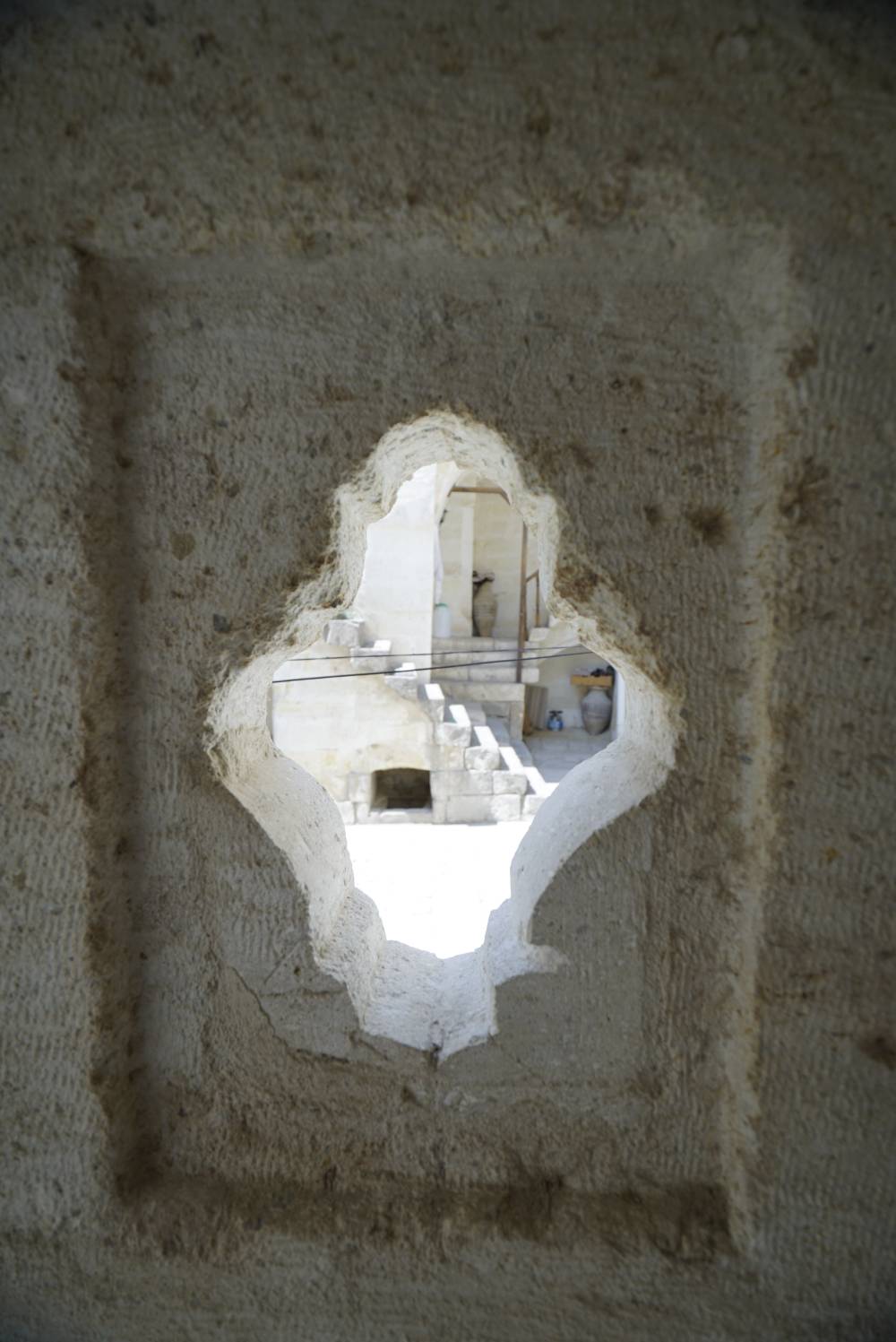
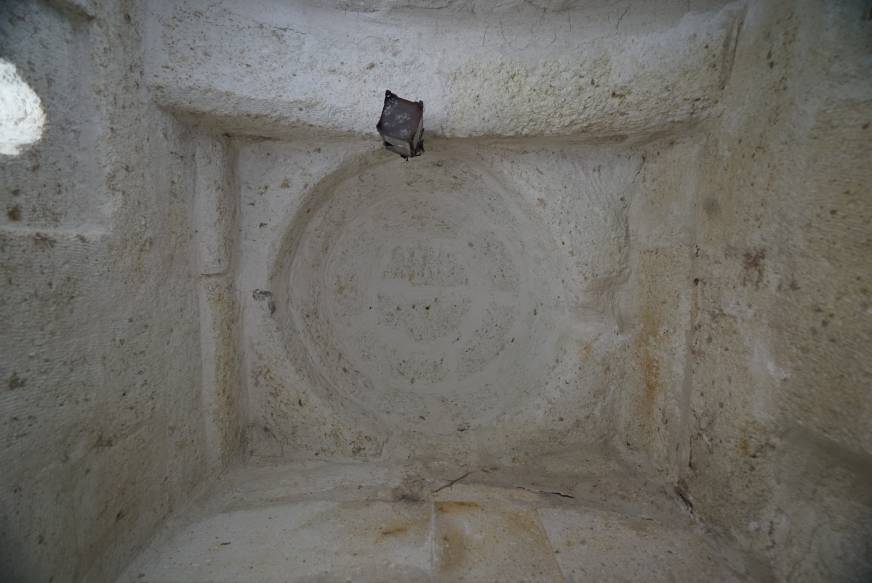
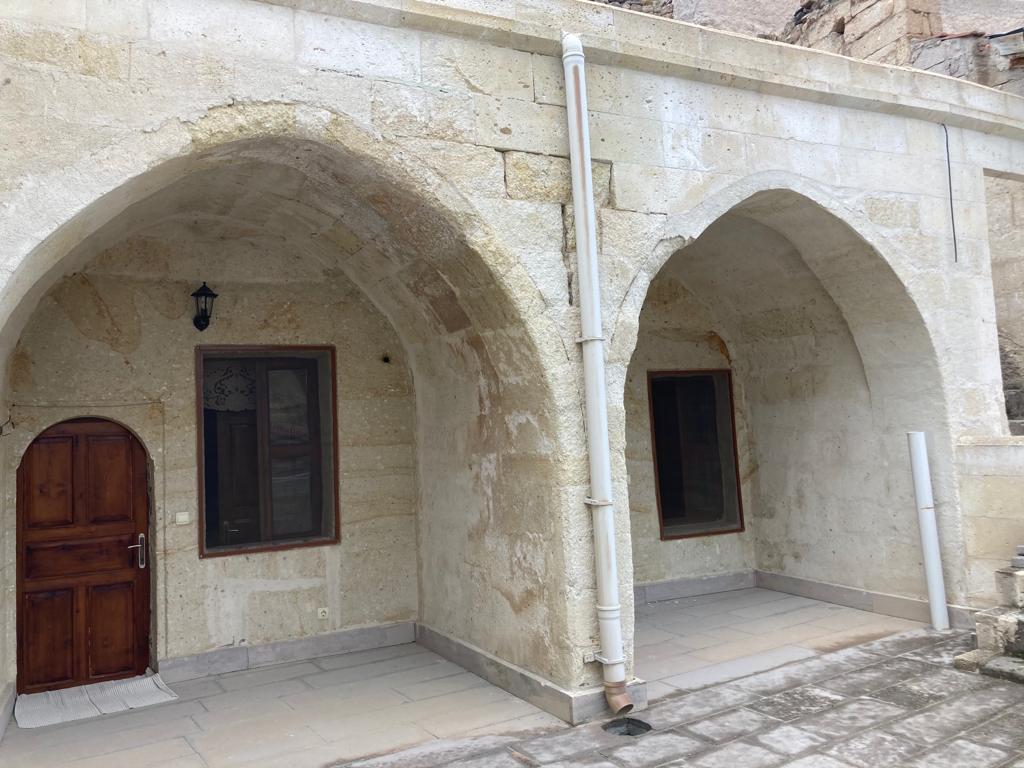
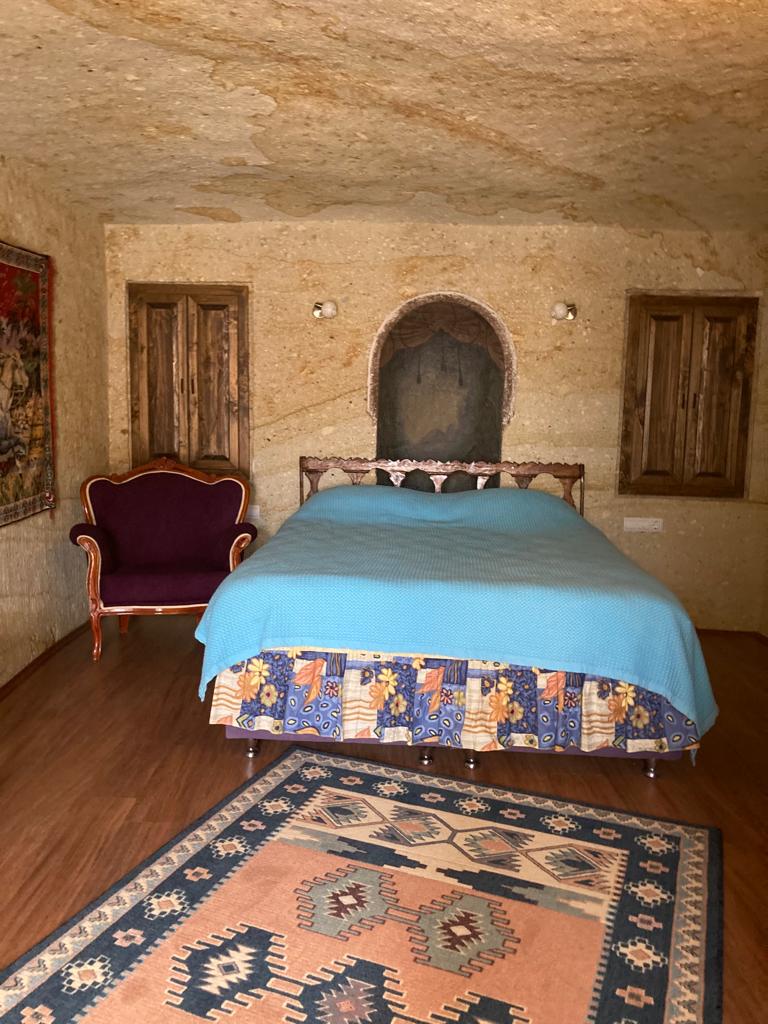
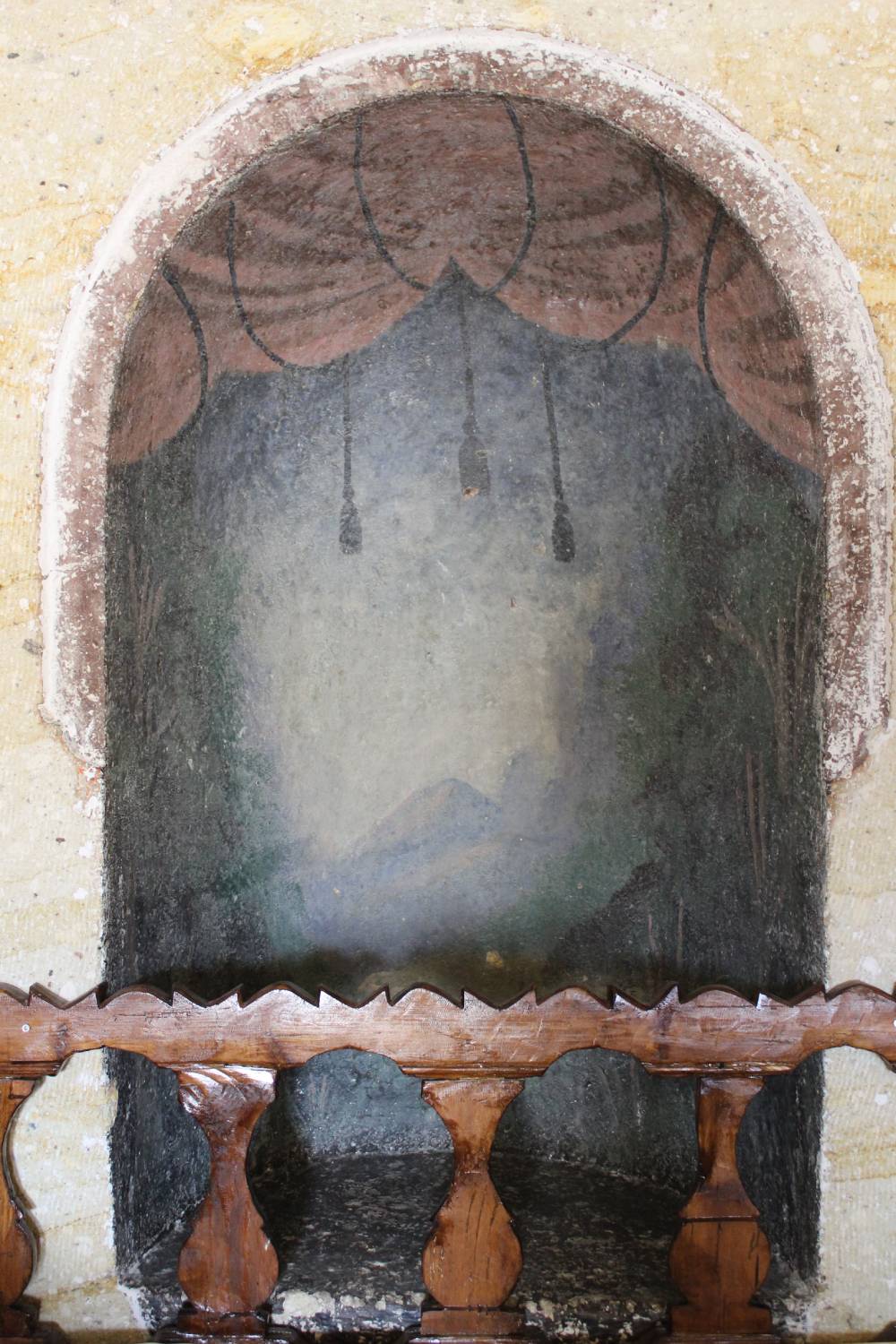
From the door, you can access an open courtyard via a vaulted corridor. To the east of the courtyard, there is a small chapel that is very well preserved. Stone material was used in the walls of the building, which were built with the masonry technique, and wood material was originally used in the door, ceiling and window elements. On the northern façade of the partially collapsed second floor, there are two rock-carved rooms in very good condition. Entrance to the rooms is through the arched iwans in front of them. In a niche in one of these rooms, there is a landscape painting consisting of mountain and tree depictions.


