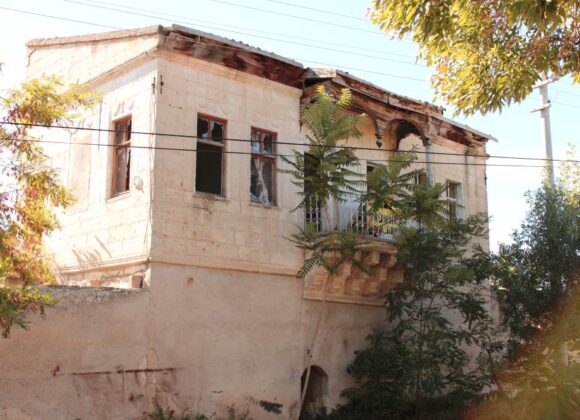
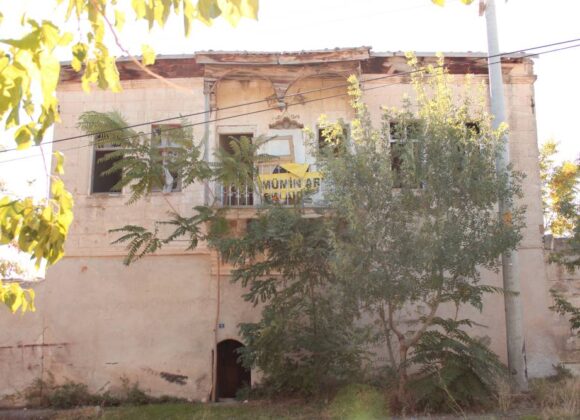
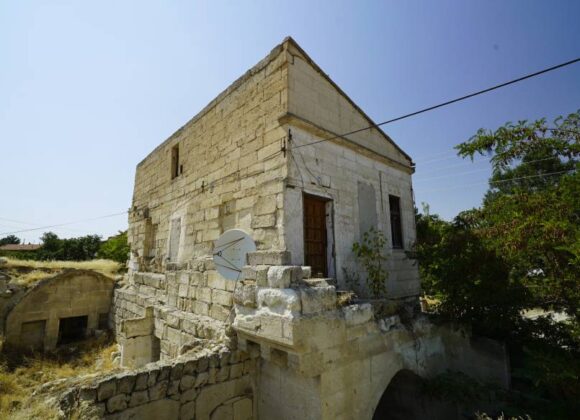
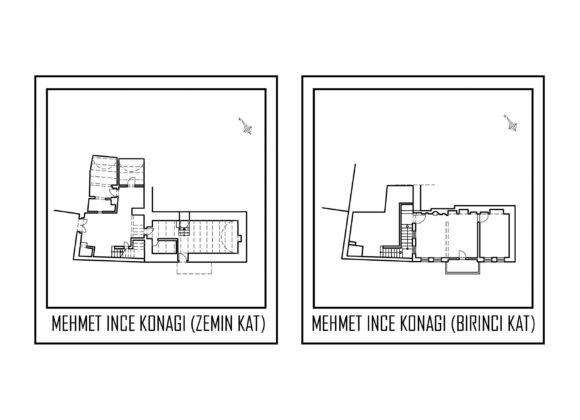
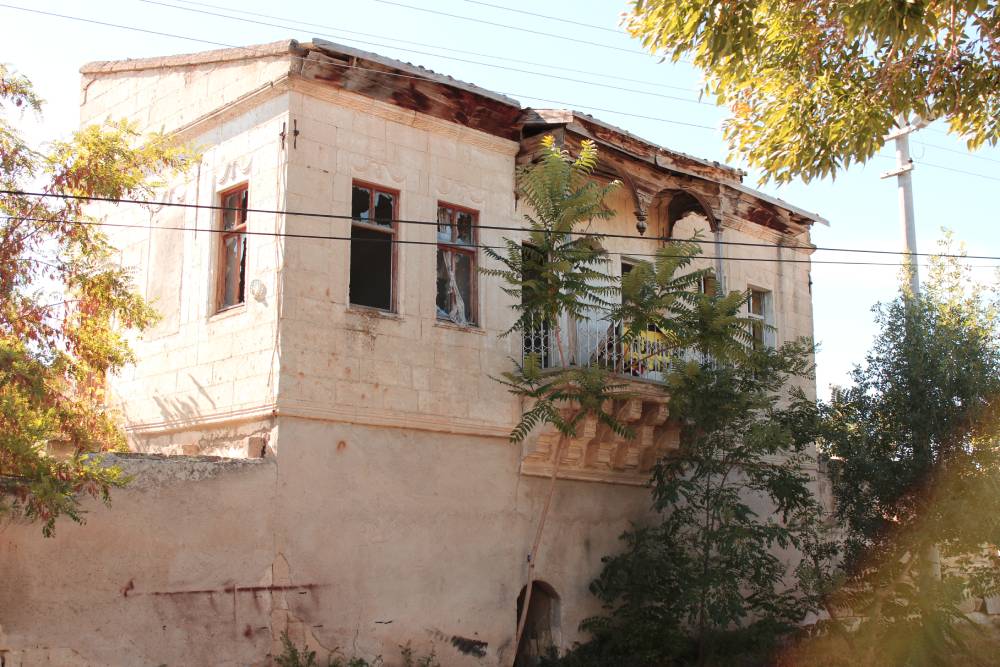
According to registration records, the mansion dates back to 1909. It was built by a Muslim Turk known as Ömer Ağa, who lived in the village. Since one of his heirs, Mehmet İnce, son of Muhammet, and his family lived here until recent times, the building is known by the name of this family today.
The mansion is located in a location called Yukarı Mevkii today. It is necessary to mention a few issues about the location of the house, as it was one of the neighborhoods where Turks lived most densely during the Greek period. There are masjids, mosques, fountains and other Muslim houses in the immediate vicinity of the house. To the west of the house, there is an Ottoman period fountain, popularly known as the “snow fountain”. Just to the east of the house is the Sheikh Ali Mosque; To the east of it is Sabuncuoğlu Mansion, which is one of the well-preserved Turkish houses in Mustafapaşa and one of the entrance doors is on this road. Again, to the east of them, just ahead; There is one of the fountains built by Mustafa Pasha, after whom the village is named. Opposite the fountain is Sipahi Mosque, one of the historical mosques of the village. All of these are important in terms of giving an idea of the original identity of the neighborhood.
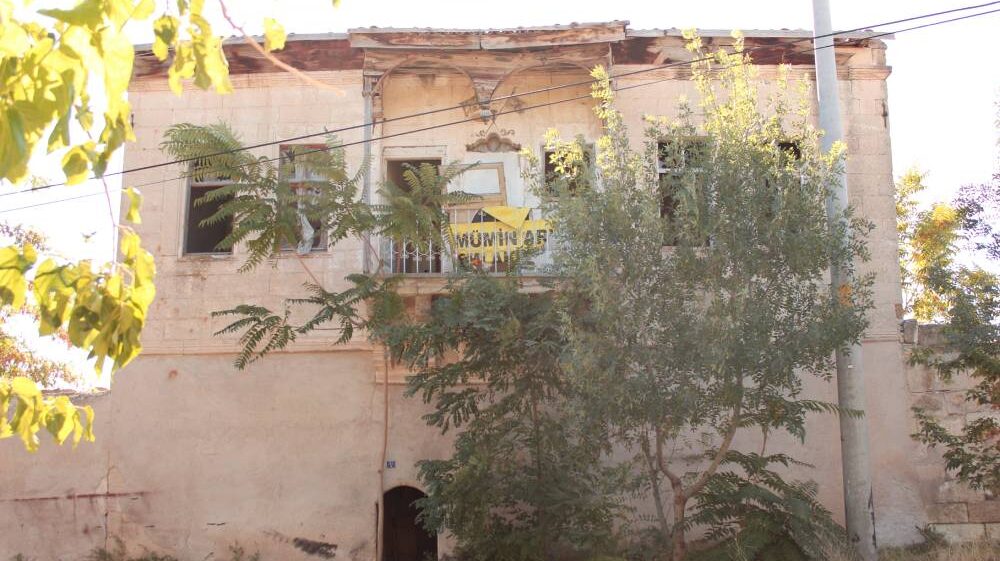
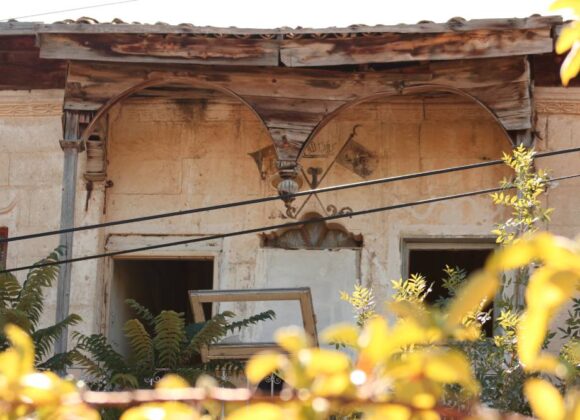
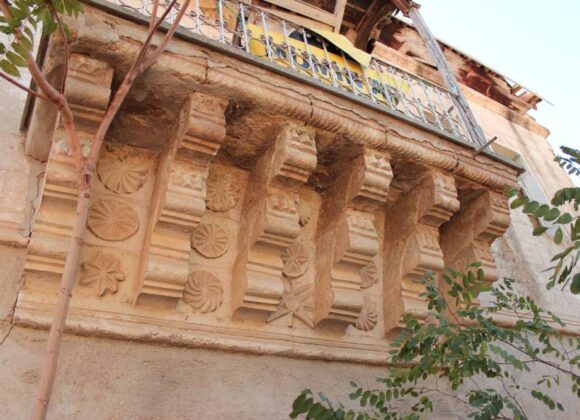
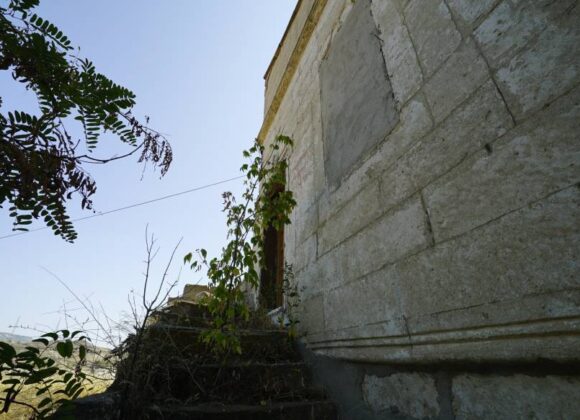
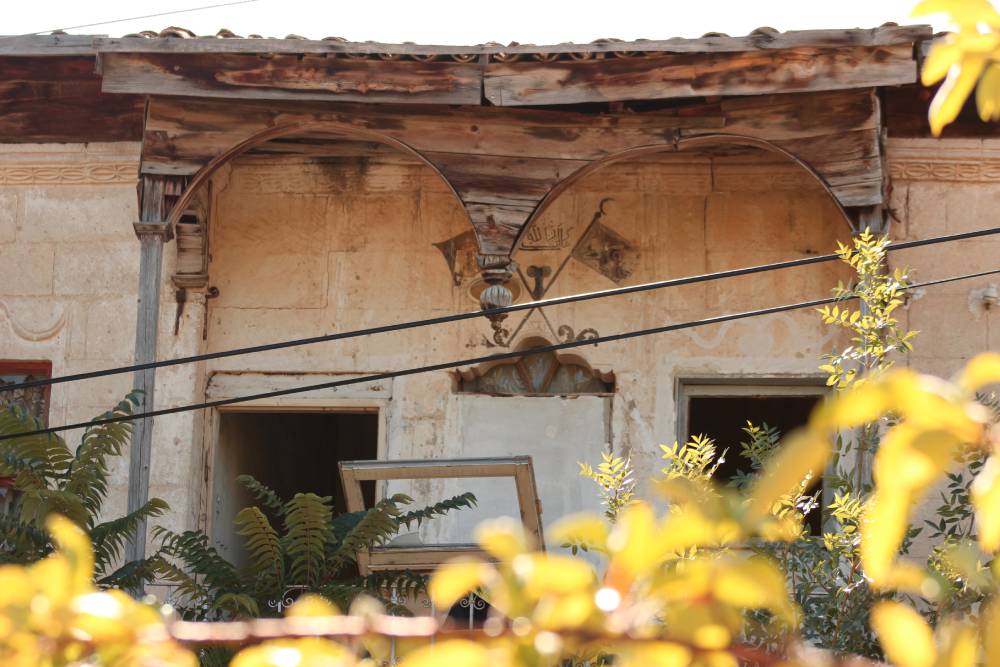
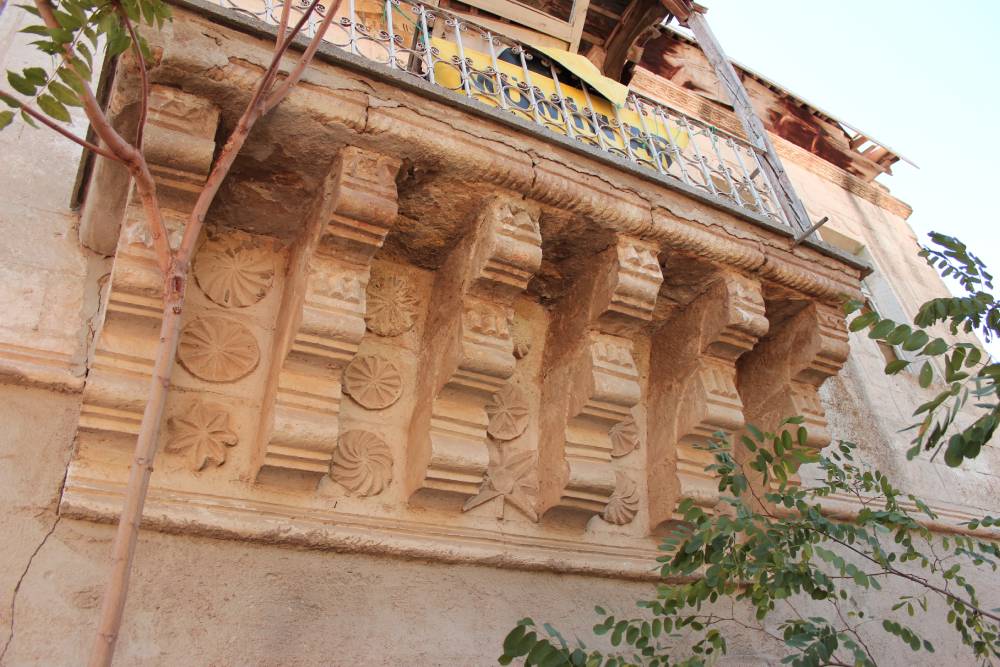
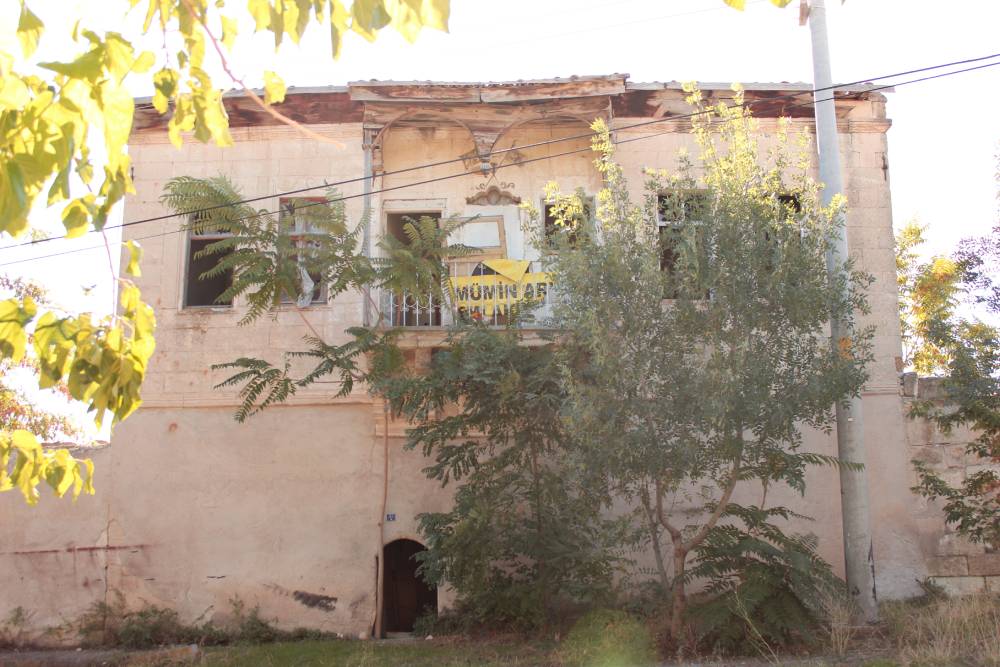
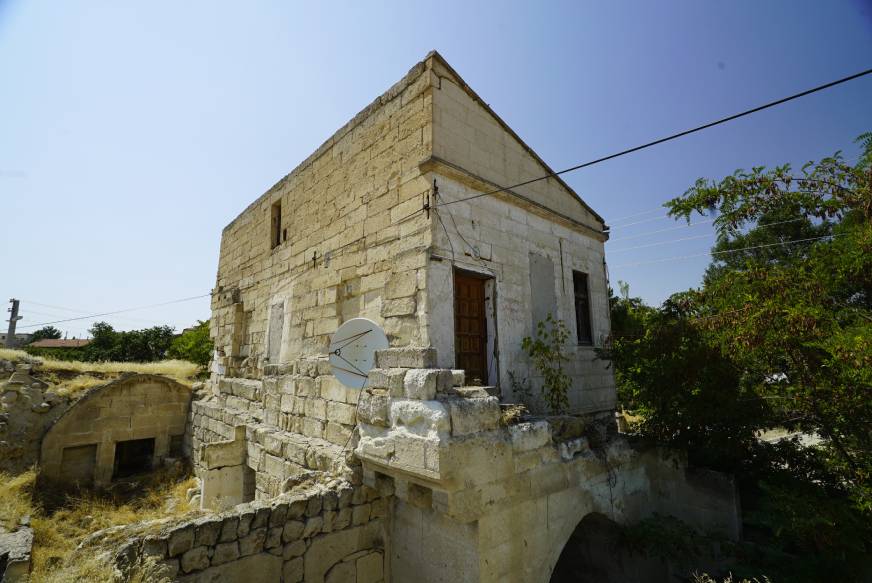
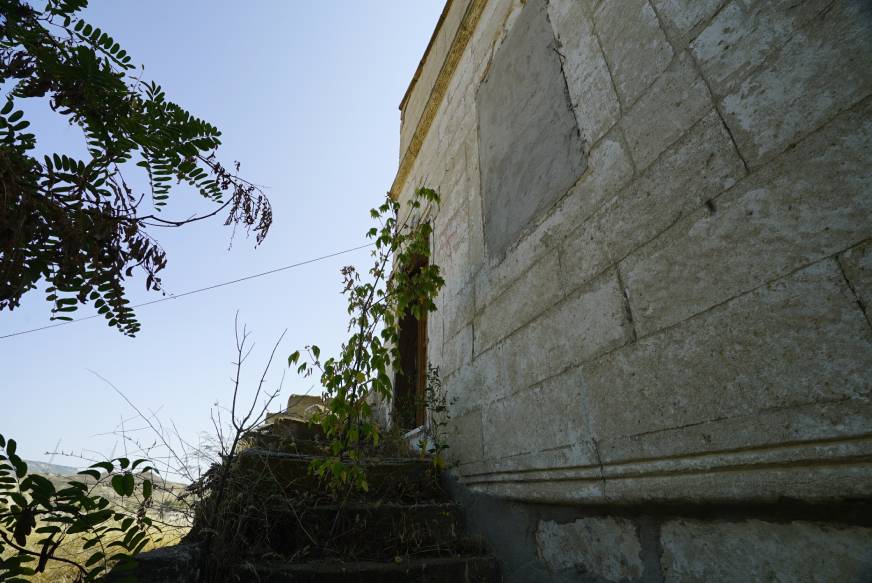
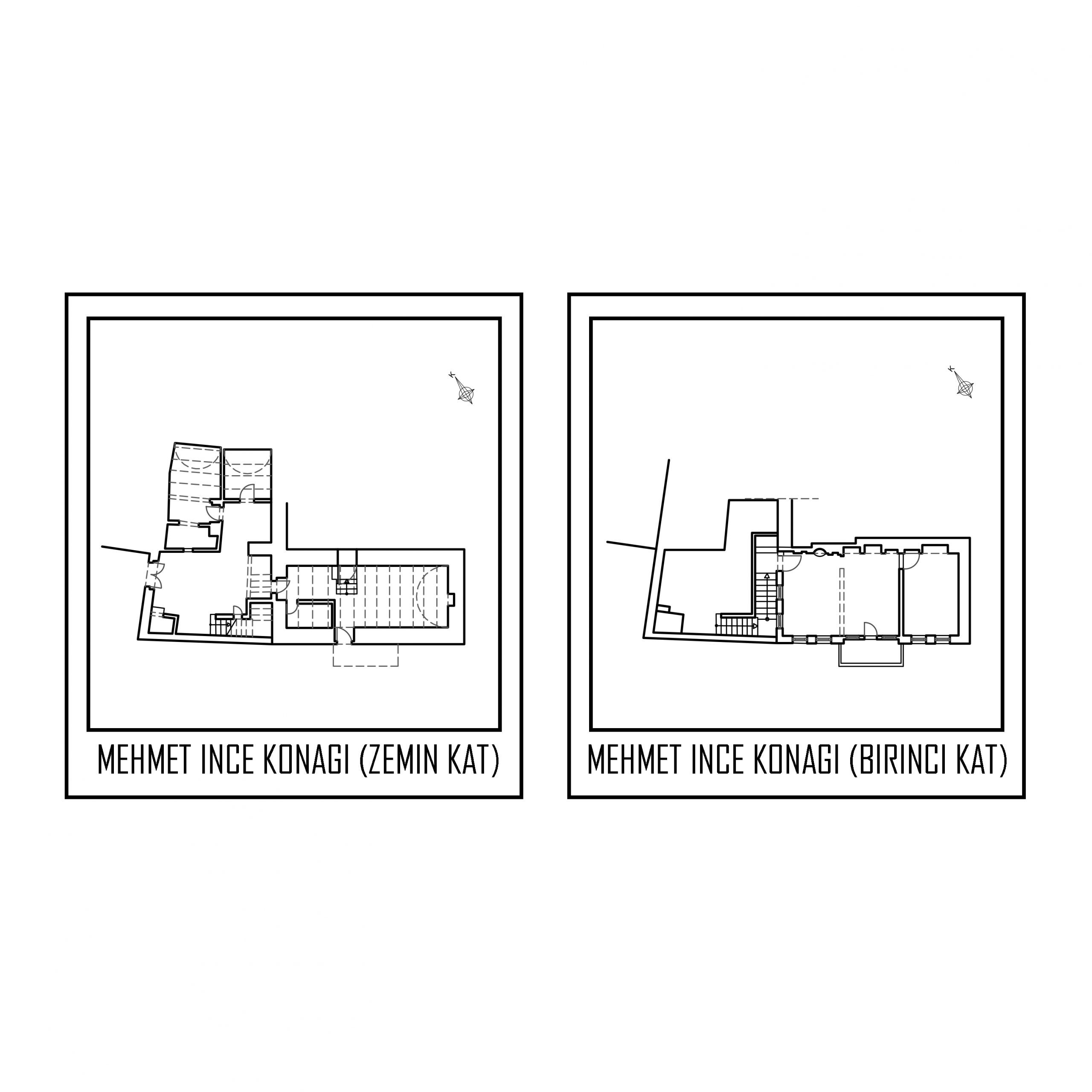
The main entrance of the mansion, which has two floors and a cantilevered façade, is on the north facade and an open courtyard is entered from here. Entrance to the upper floor of the house is provided by the staircase designed outside the building. On the second floor of the building, there is a rectangular planned main room and in front of this room is a cantilevered balcony with a wooden ceiling and hanging arch. With hanging arch made of wood; Stone consoles with stone relief decorations supporting the exit add a nice dynamism to the façade.
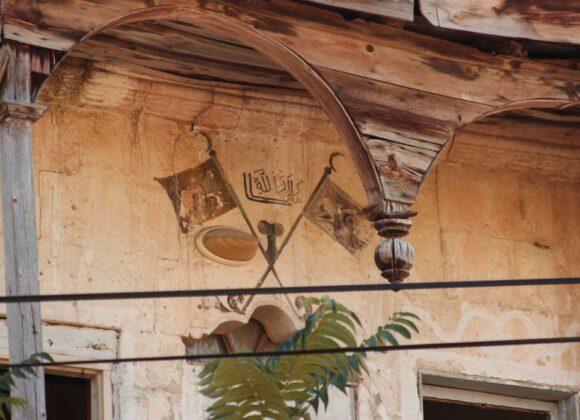
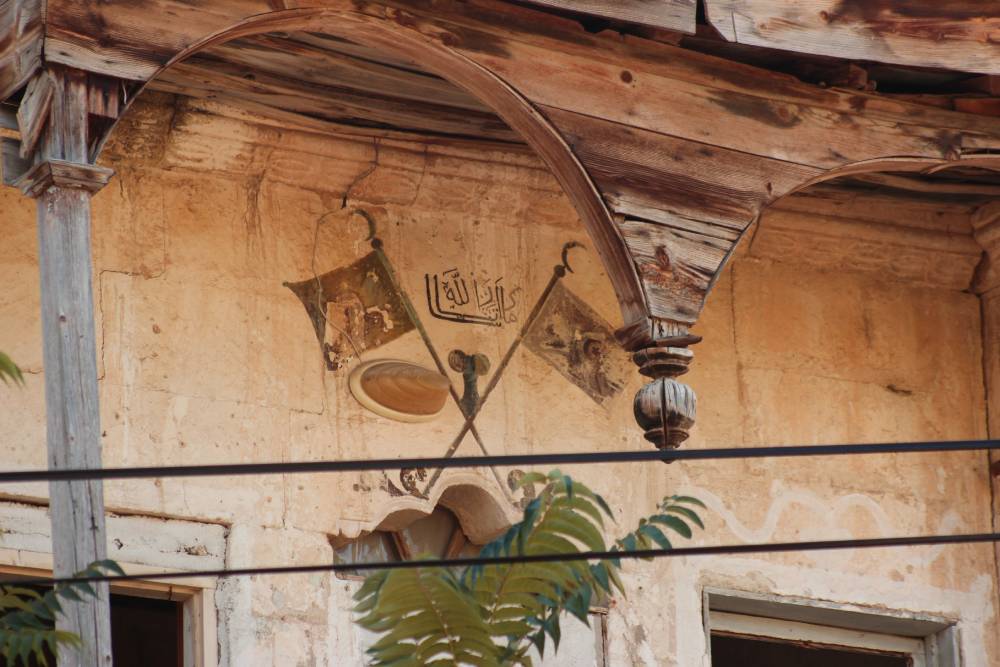
The depiction of the Ottoman coat of arms on the wall of the balcony, with the text meaning “Maashallah” in Arabic letters (“ماشاالله”) in the middle, attracts attention. Considering the fact that the owner of the mansion was Turkish-Muslim and that his grandfathers worked as officials in the Ottoman palace, it can be seen that he wanted to emphasize the identity of the family who built the mansion. The fact that the depiction is located at a point where passers-by can see it, rather than in an interior space, explains this better.