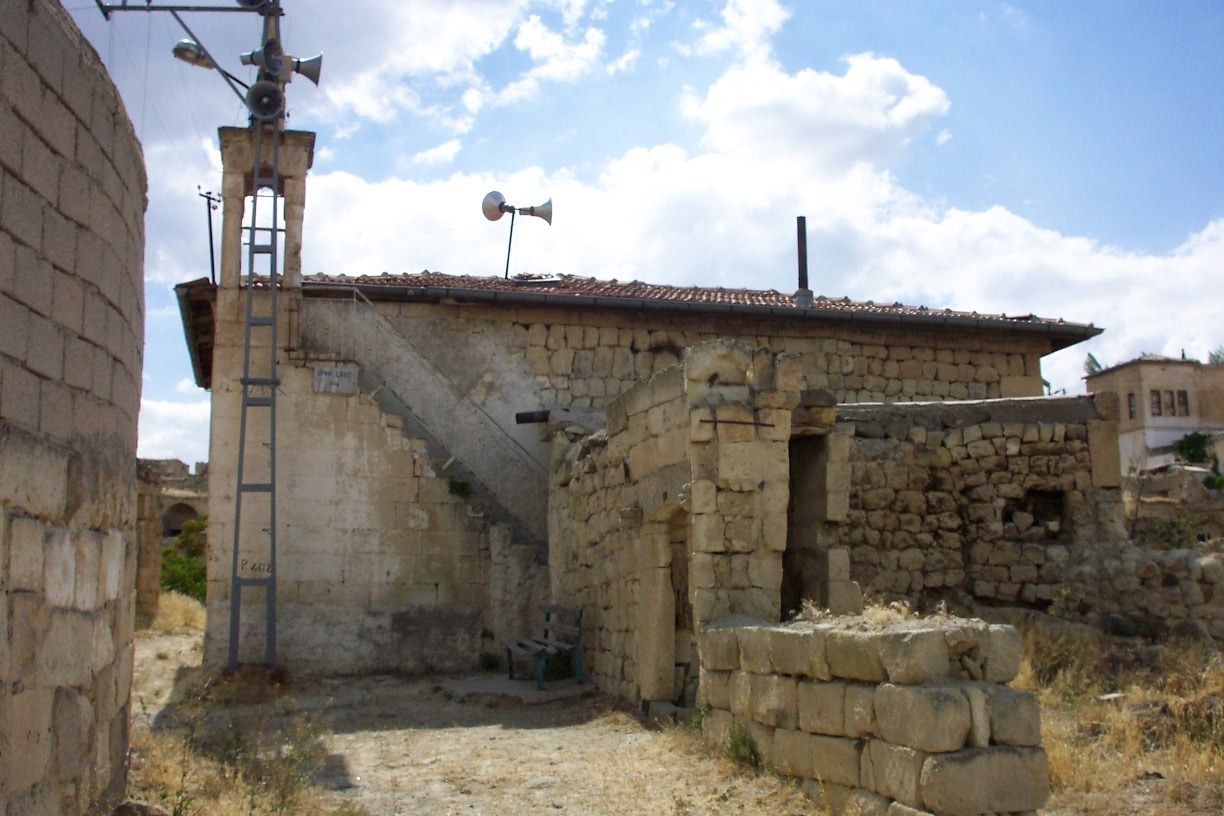
Sipahi Mosque is located in one of the neighborhoods where Muslim families were concentrated during the Ottoman period, today’s Yukarı Mevkii.
According to the Asar–ı Atika Defteri record of the Central Town of Niğde Sanjak, it is thought that the mosque dated to the 16th century and stated as Mosque Şerif may be a Sipahi mosque. According to inventory records, the exact construction date of the mosque, which dates back to 1834, is unknown.
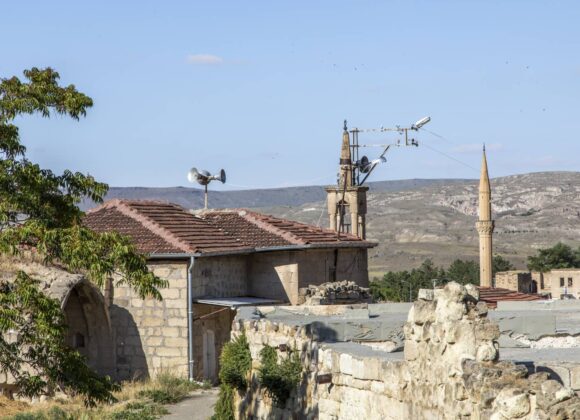
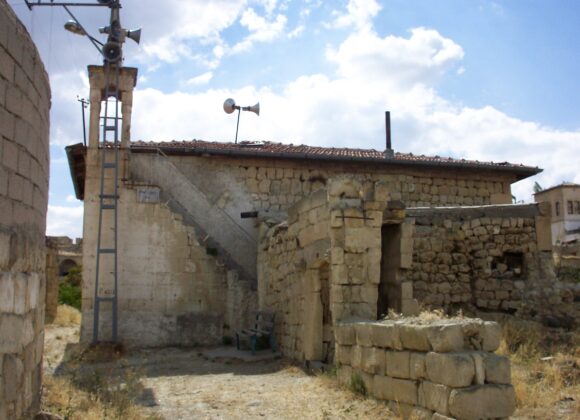
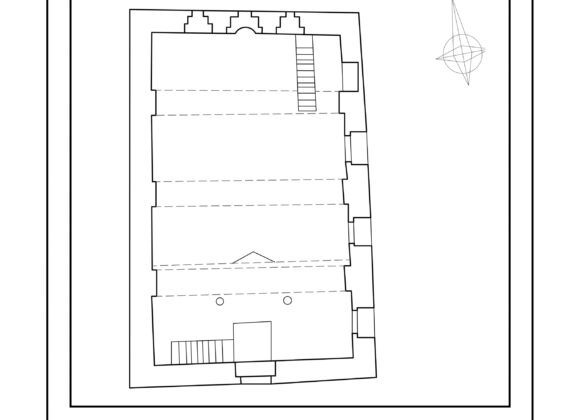
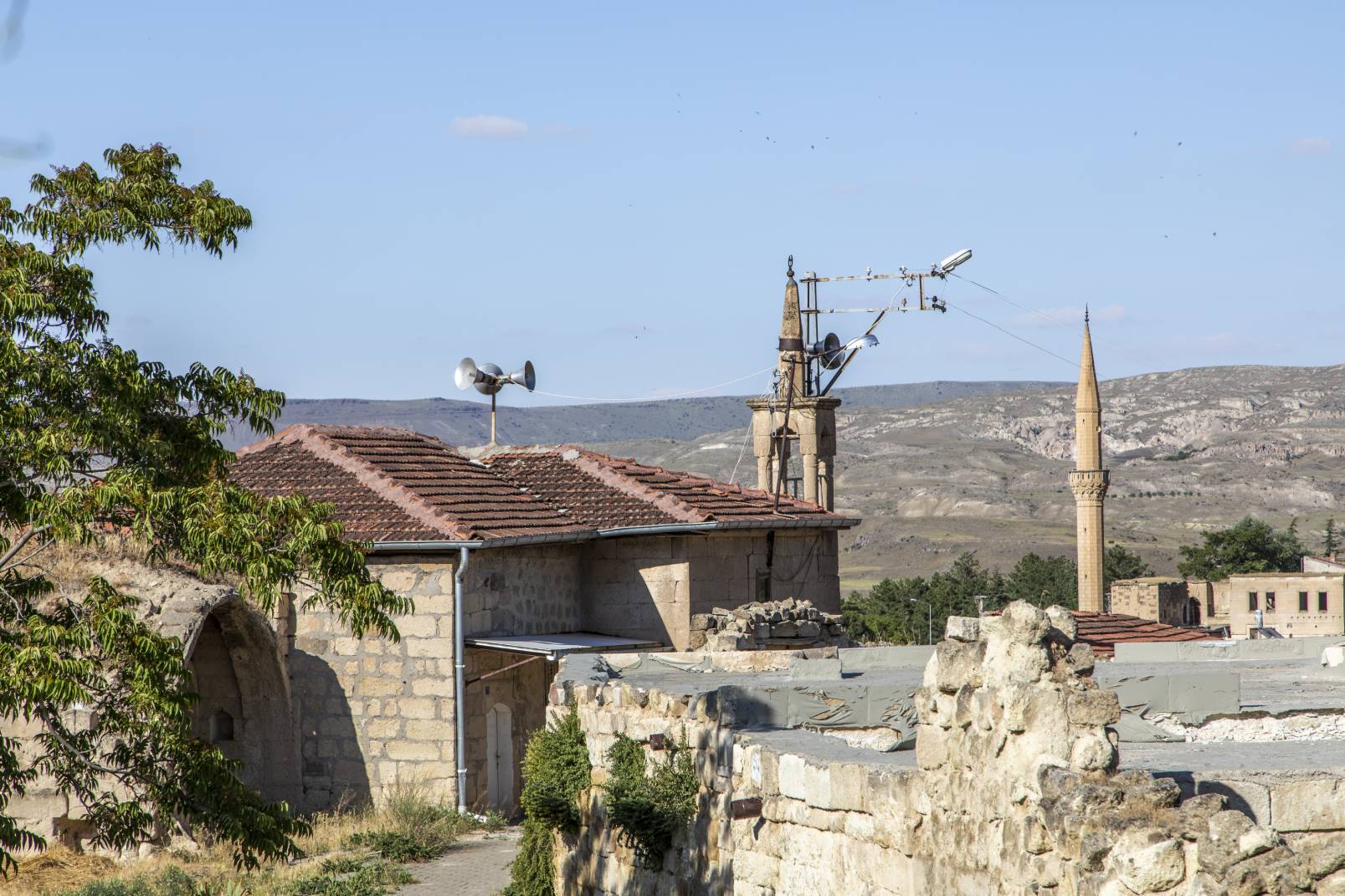
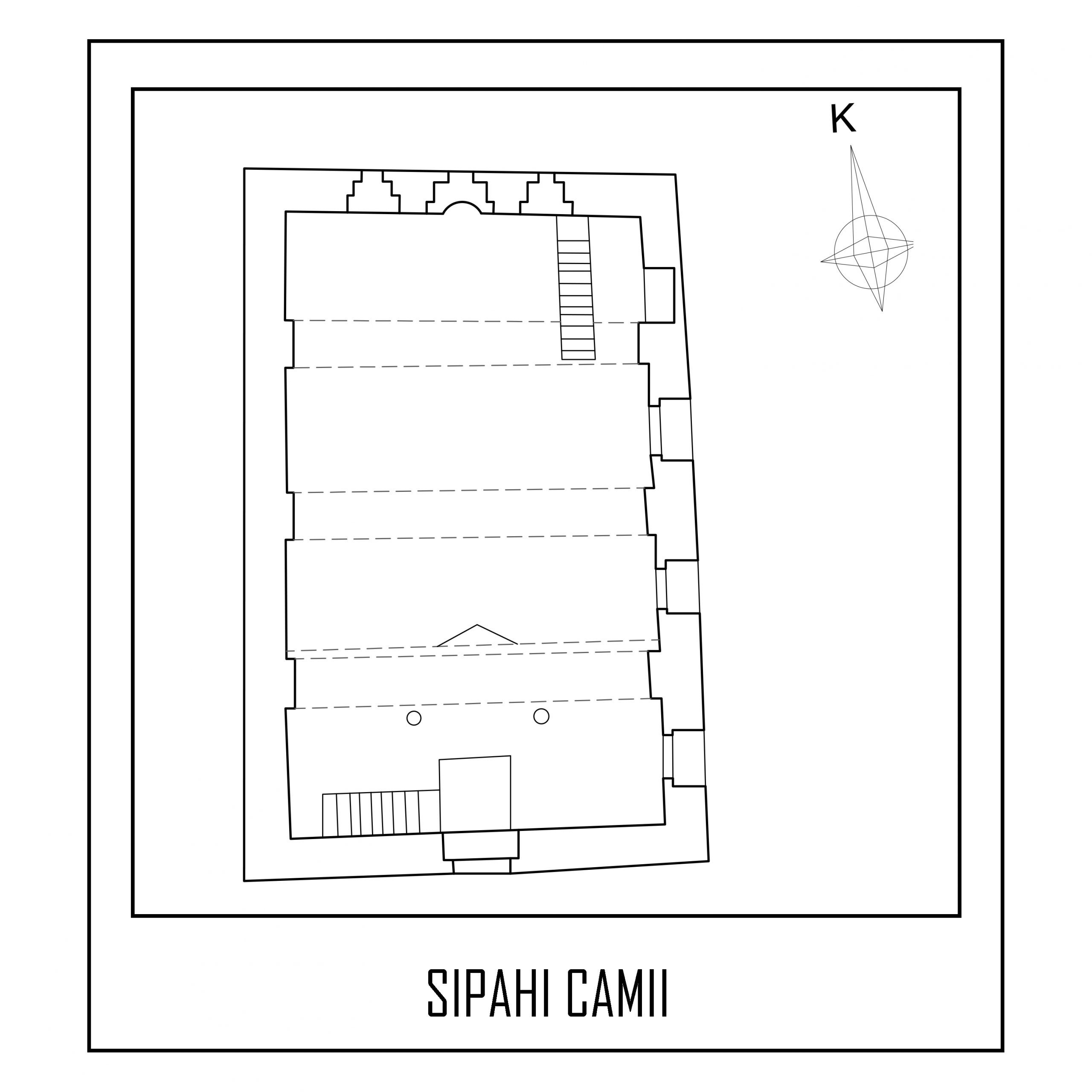
The interior spaces of the mosque, which consists of a rectangular harim with a single nave perpendicular to the mihrab and a smaller winter space to the west of it, are covered with a pointed barrel vault from the inside and a hipped roof from the outside. The main entrance of the mosque is in the northern corner of the eastern façade. The semicircular cross-section, round-arched mihrab located in the center of the south facade was later covered with marble. There is a non-original wooden pulpit to the west of the mihrab.
In the south-east corner of the mosque, there is a unique minaret in the form of a “pavilion minaret”, which we encounter in many mosques and masjids in the last period of the Ottoman Empire in the region. The entrance to the minaret is provided by a fifteen-step staircase along the eastern wall of the mosque. The minaret made of stone has a square-shaped upper cover with four columns and a cubic cone on the cover.
Resources:
Topal, N. (2012). Nevşehir and Arabsun (Gülşehir) according to the Âsâr-ı Atika Book of the Central Town of Niğde Sanjak. A. Öger (Ed.). I. International Nevşehir History and Culture Symposium, 16-19 November 2011, Volume 6 (pp. 5-34). Ankara: Nevşehir University Publications.
Gold, A. (2016). Historical Mosques Located in Mustafapaşa (Sinasos) Town of Nevşehir-Ürgüp. F. Kılıç and T. Bülbül (Eds.). “From Muşkara to Nevşehir” II. International Nevşehir History and Culture Symposium, 2-3-4 May 2016 (pp. 104-121). Nevşehir: Nevşehir Hacı Bektaş Veli University Publications.