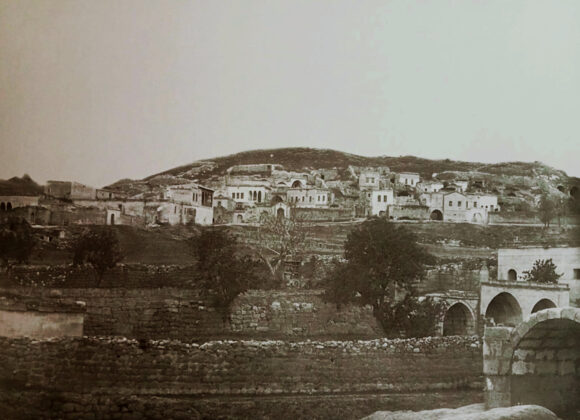
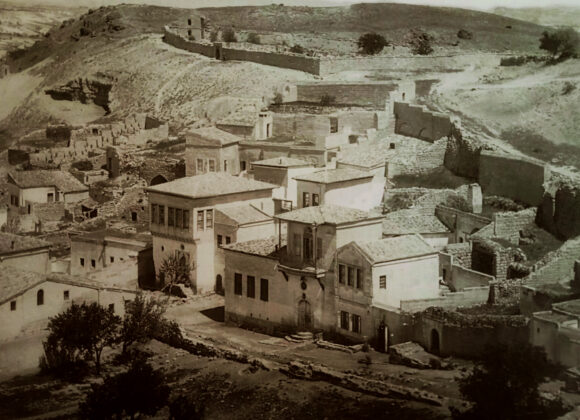
The Rum Community in Mustafapaşa Before the Population Exchange
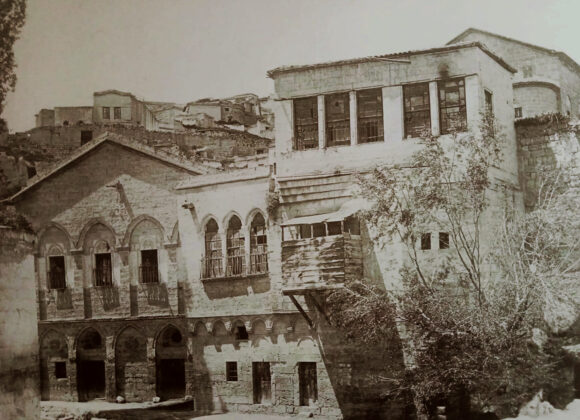
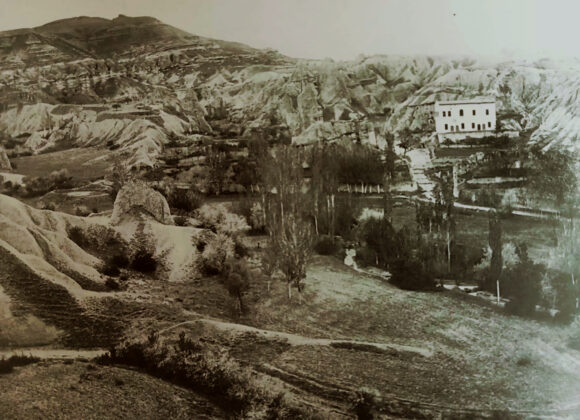
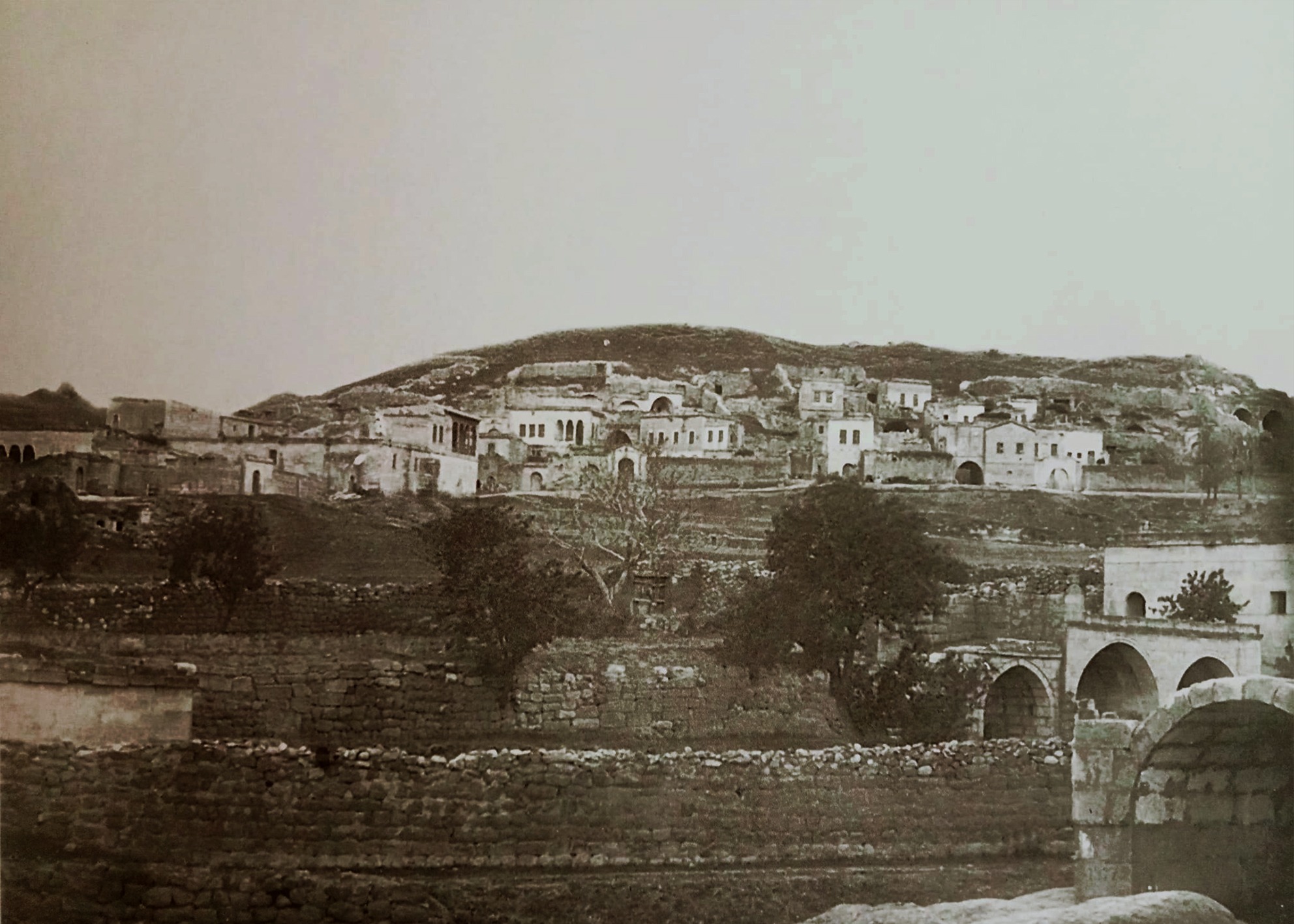
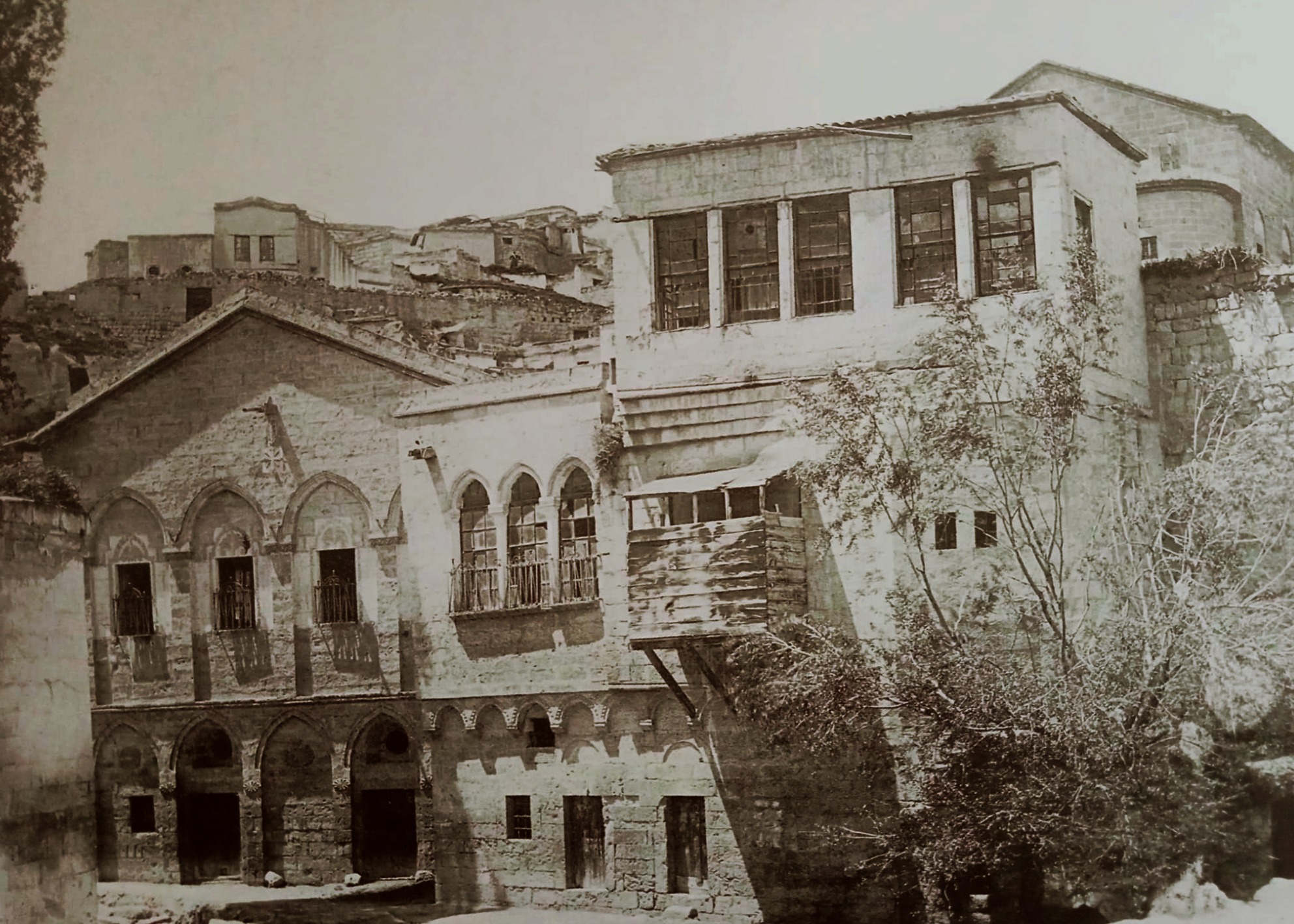
Non-Muslim citizens living under the Ottoman administration created numerous civil and architectural works, following the expansion of rights and freedoms within the political climate that began in the 18th century. Starting from the 19th century, construction activities by Rum and Armenian populations intensified across various centers of Anatolia, particularly in Istanbul. During this period, the Rum people of Mustafapaşa played a significant role among the Orthodox Christians of the region, leaving behind a legacy of valuable architectural structures. The fact that many of these works have survived intact to this day is a testament to the atmosphere of tolerance that transitioned from the Ottoman Empire to the Republic of Türkiye.
Mustafapaşa, which stood out from surrounding settlements in many respects, attained a privileged position during the late Ottoman period. By the end of the 19th century, the town—then populated largely by the Rum community—experienced its most brilliant era in terms of culture, architecture, and art history. Its close ties with Istanbul, the capital of that era, directly influenced the town’s development. Due to geographical challenges and high taxes on local agriculture, the Rum residents turned to commerce, achieving great success. Establishing a semi-nomadic lifestyle, the townspeople utilized the guild system—the backbone of Ottoman trade—to form influential communities in Istanbul districts such as Yedikule, Samatya, Galata, Kalafatyeri, Balıkpazarı, and Unkapanı. Notably, the trade of caviar, linseed, and sesame oil was largely controlled by the Mustafapaşa guild.
During our project research, we discovered that the Rum owner of a mansion—which is currently in a dilapidated state and often overlooked by tourists—was a pioneer in organizing this guild. This structure, as detailed in the relevant category, is the Erbil Mansion.
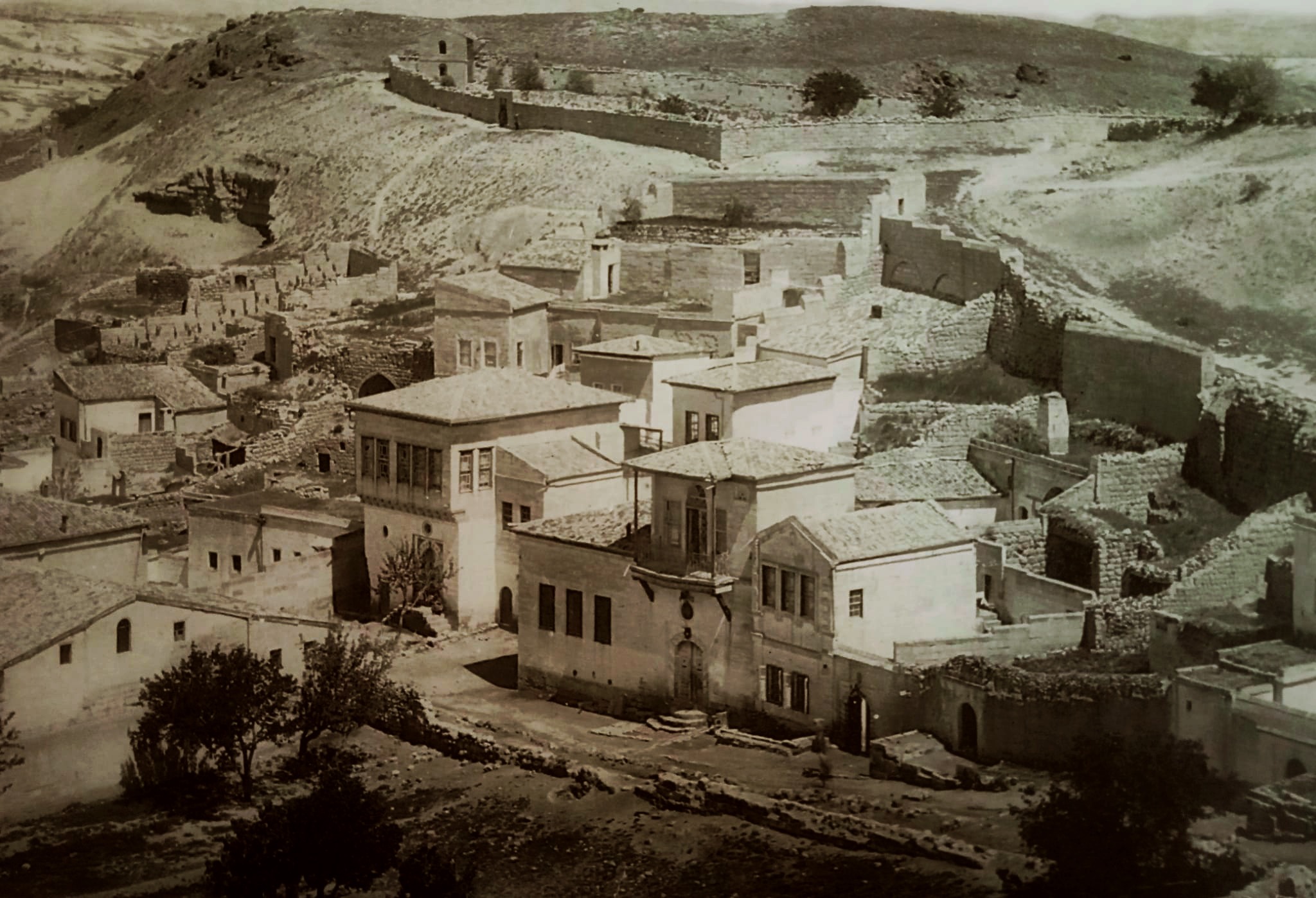
Muslims Before the Population Exchange
Although Mustafapaşa—which constitutes an important concrete example of the multicultural structure of the Ottoman period—was largely formed by the Rum community, the Muslims living alongside them were undoubtedly an important part of the village. Balta’s book includes some statements about them as well. In a text quoted from Serafim Rizos’s manuscript No. 429, it is stated that there were about a hundred houses in the Miskin Neighborhood where the Turks, whom he refers to as his fellow villagers, lived.
Another important statement here is that the men of the neighborhood were generally master builders, stonemasons, rock carvers, and laborers. It is also stated that they did not have much land, there were very few farmers, and a small number of them went to Istanbul to work as street vendors in the palace of Sultan Hamid. According to the same text, the majority of the remaining Muslim houses, totaling around one hundred and fifty, were located in the Galasa neighborhood (known today as Kalaşa), which consisted of thirty houses.
According to information archived at the Center for Asia Minor Studies in Athens and included in Balta’s book, as recounted by Pavlos Yordanidis, the residents of the neighborhood got along very well with the Rum people and worked as sharecroppers in their vineyards and fields. The other houses mentioned in Serafim Rizos’s manuscript were ten in Lulas (today’s Davutlu area); nine in Kapalos (which corresponds to today’s Papatya Street and Sümer Street); one in Mezgit (today’s Yukarı Mahalle); and two in what was then known as Yeni Mahalle (today’s Dere Sokak).