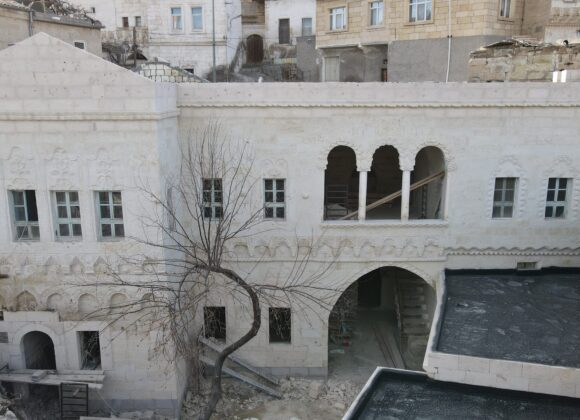
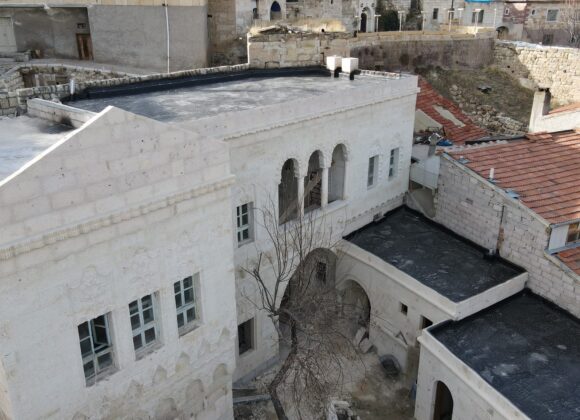
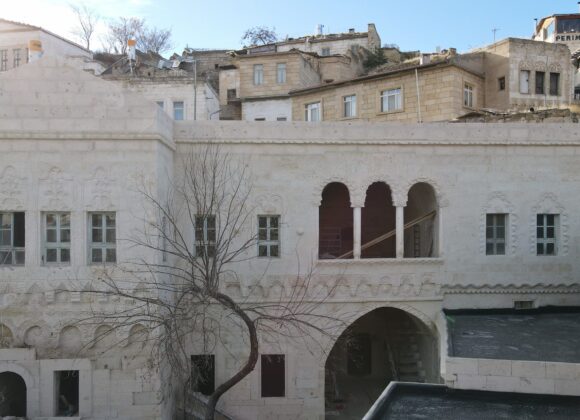
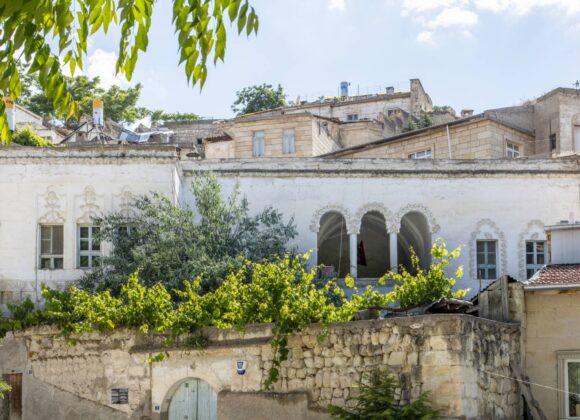
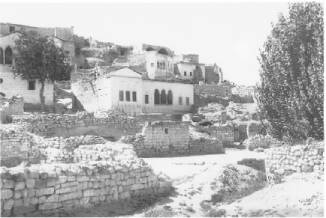
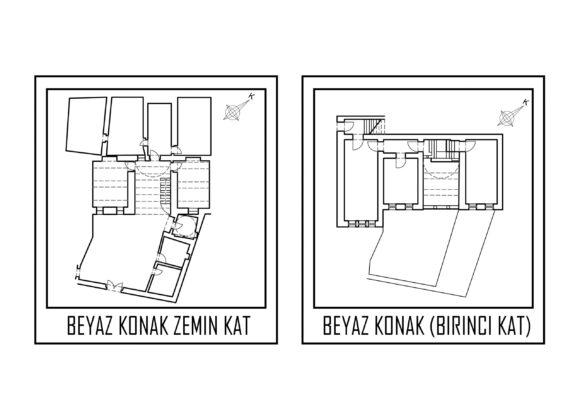
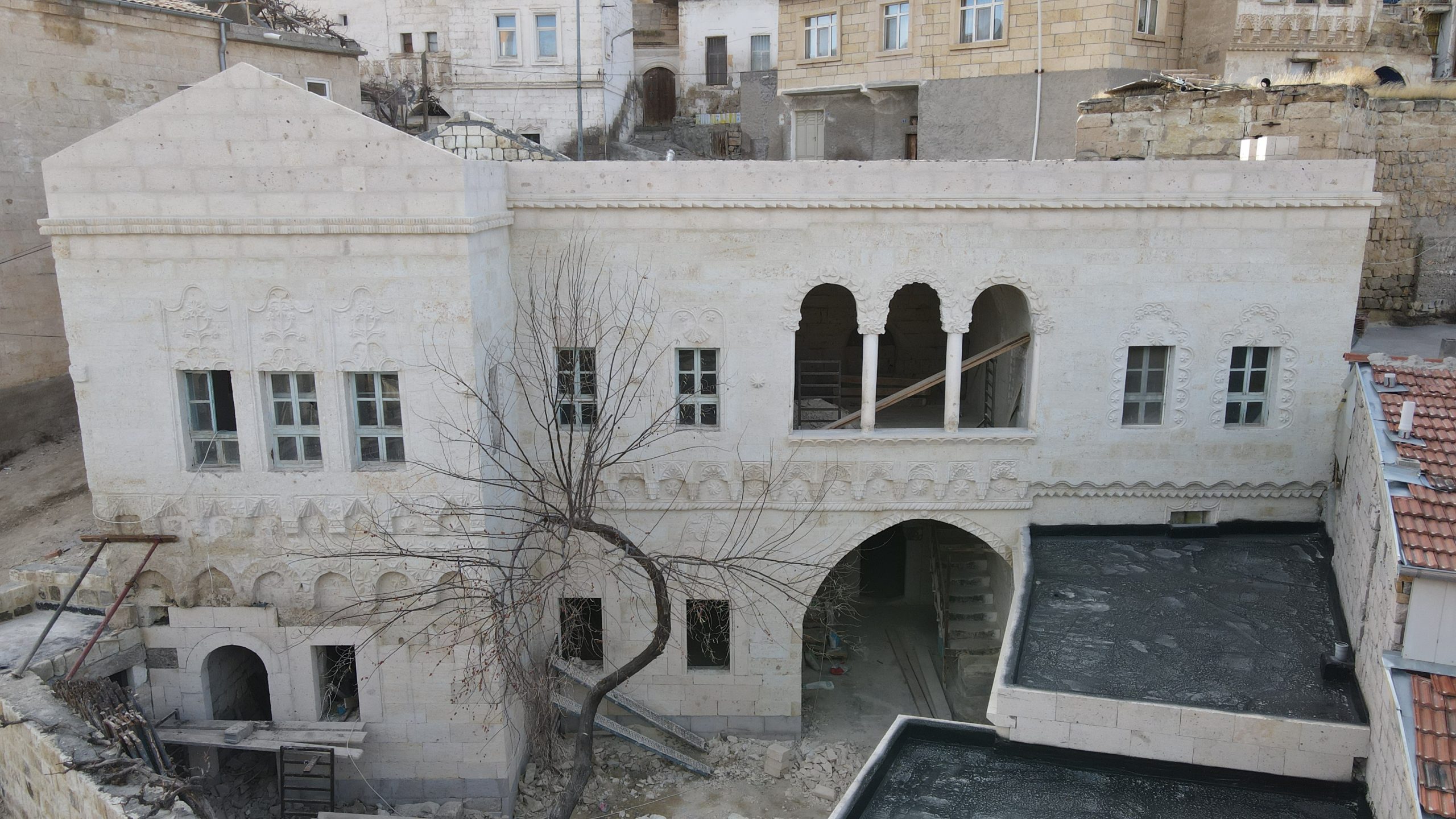
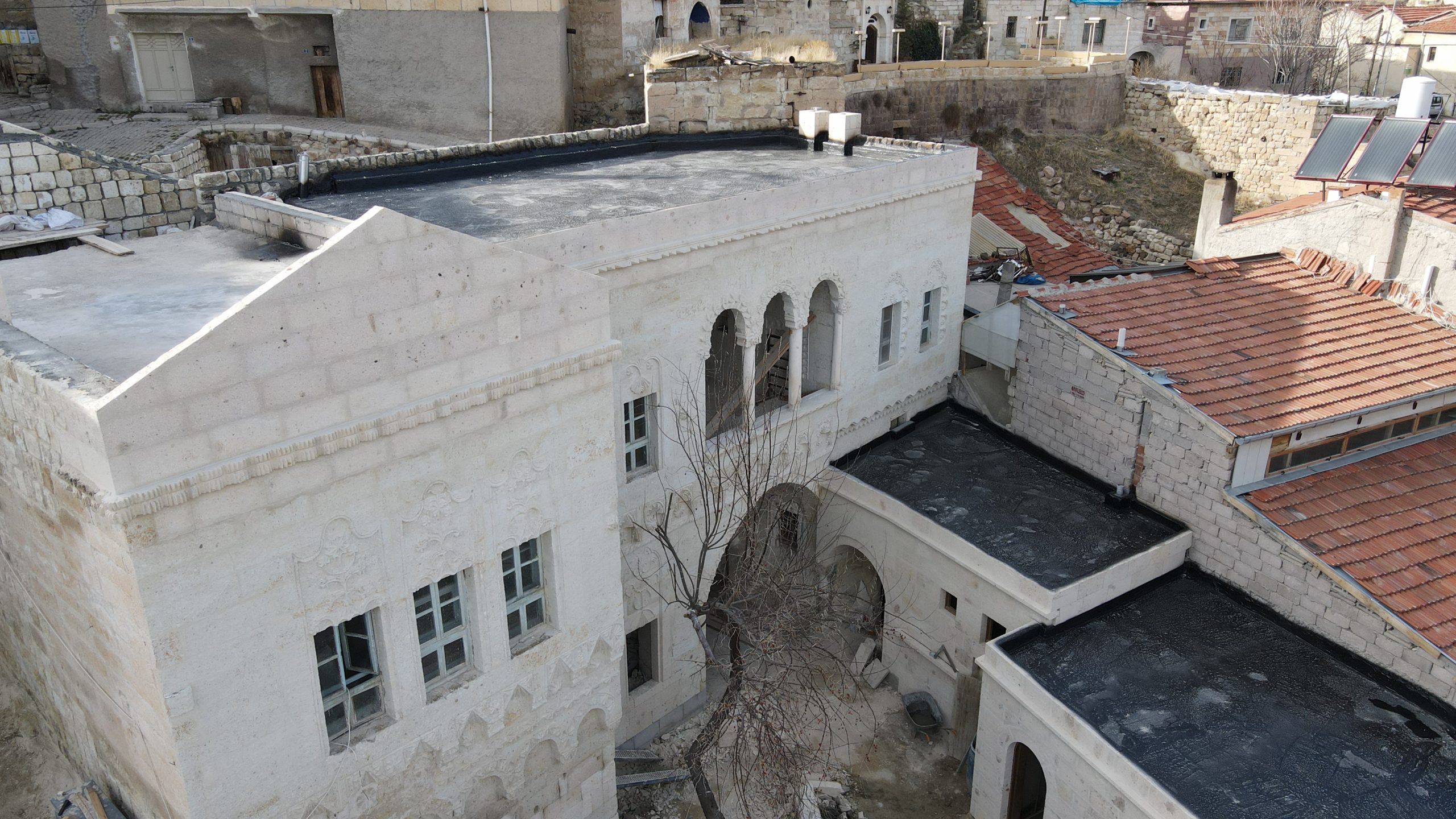
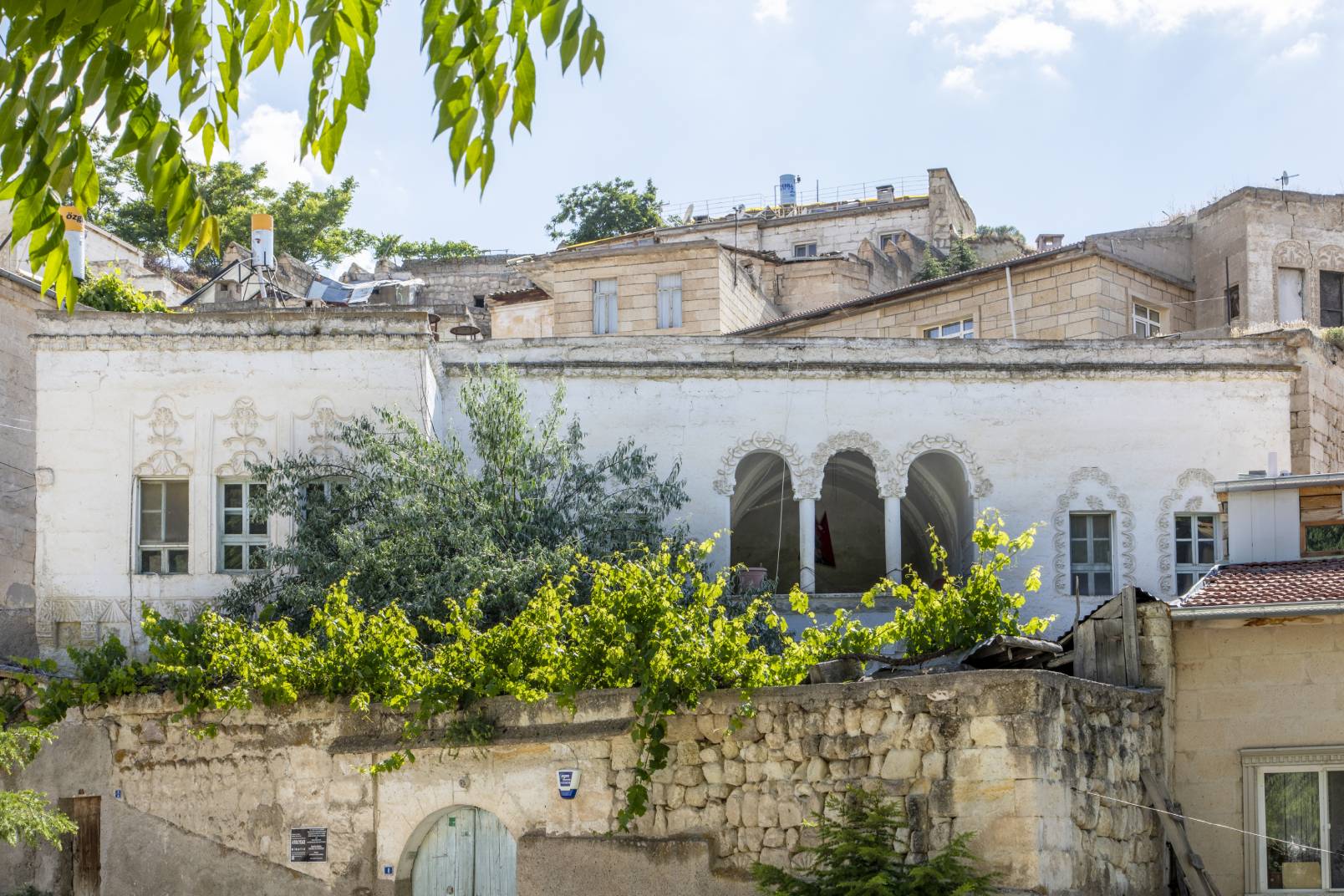
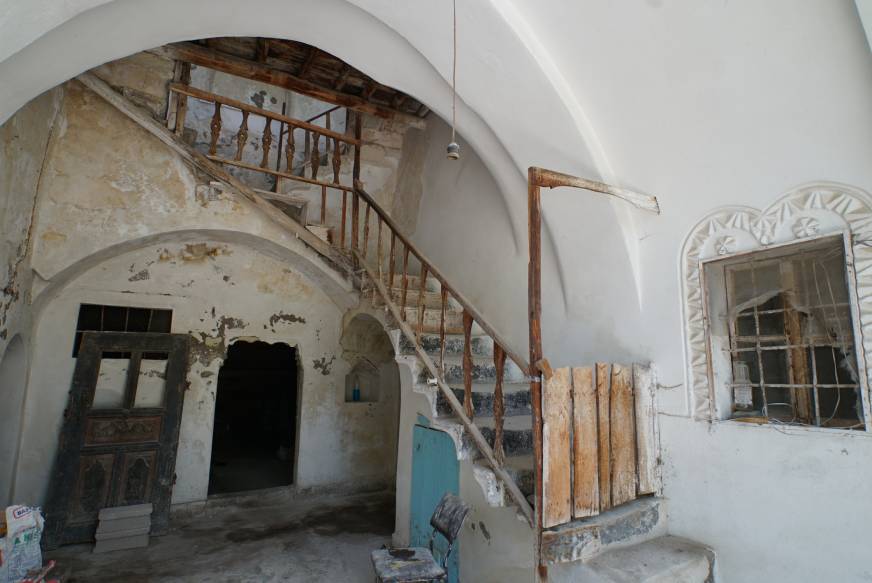
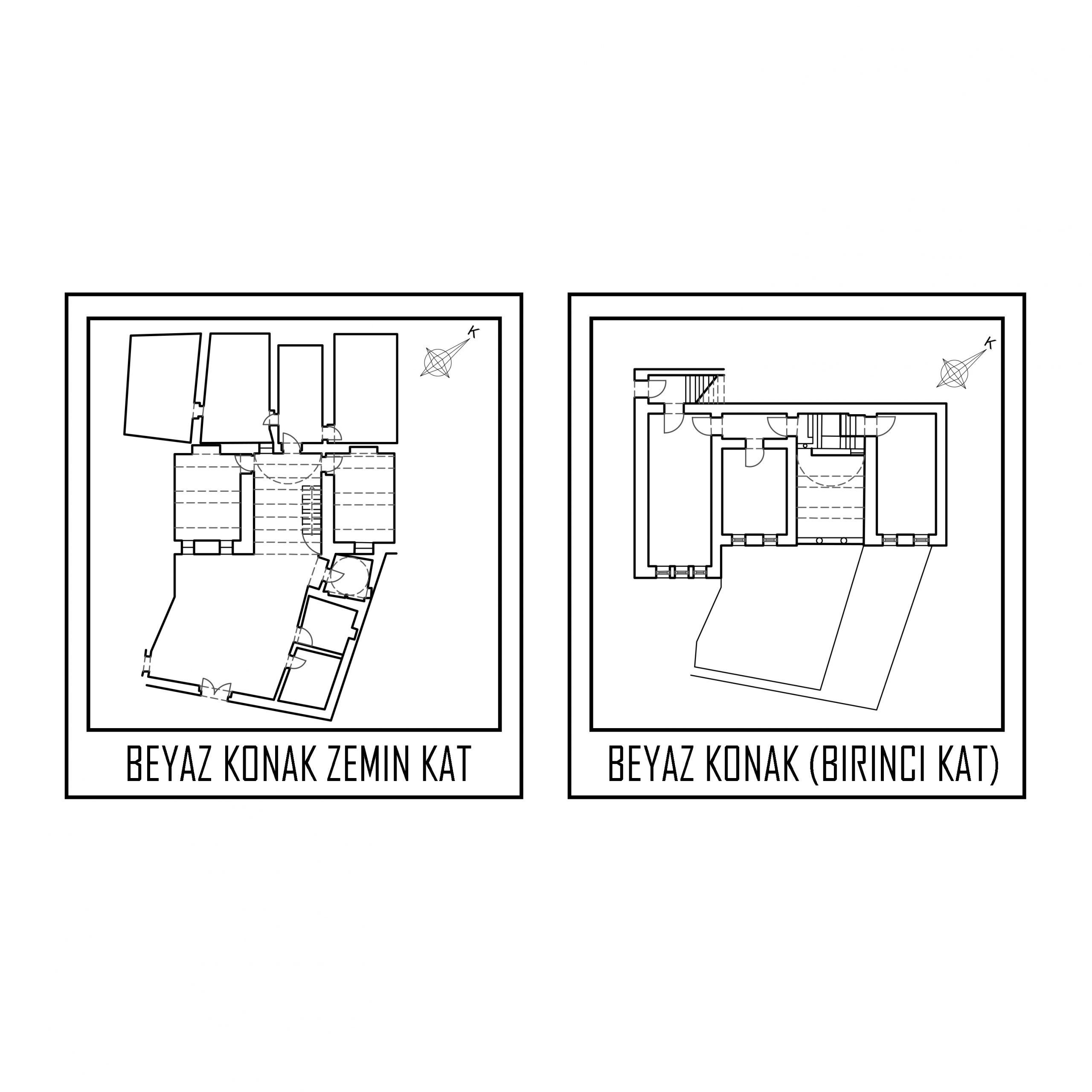
It is known that the mansion, built between 1880 and 1881, was commissioned by a Greek man known in the village as Çoka. After the population exchange, İbrahim Yılmaz and his family moved into the mansion and lived there for many years. Known by the villagers as the “white mansion” due to the color of its exterior, the building is currently privately owned and is planned to be converted into a hotel. The two-story, flat-roofed structure has a rectangular floor plan.
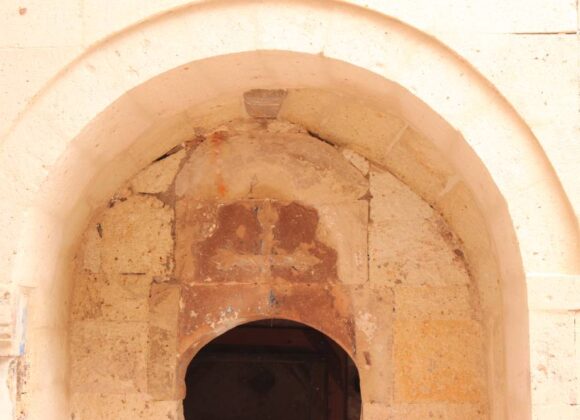
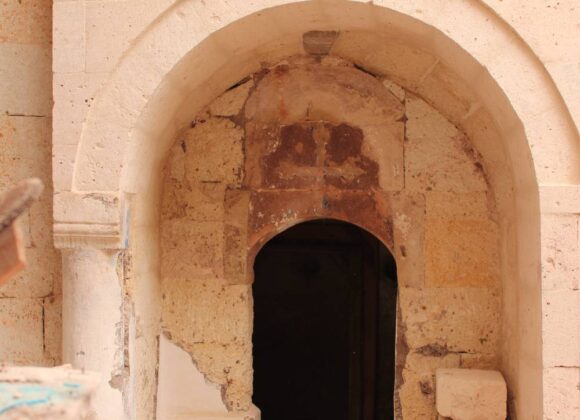
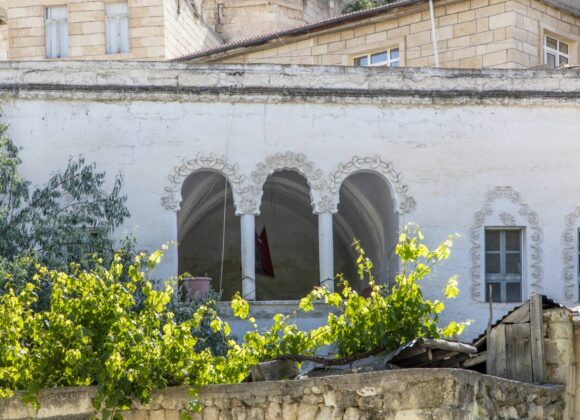
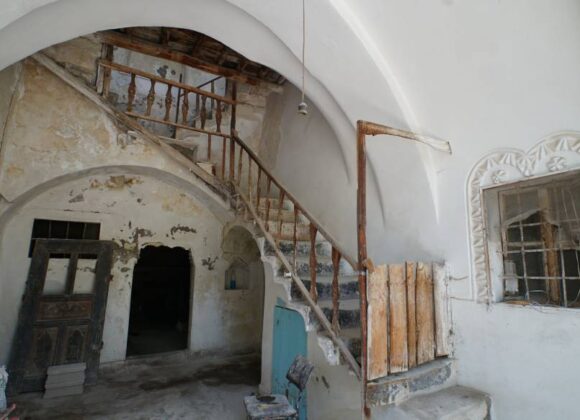
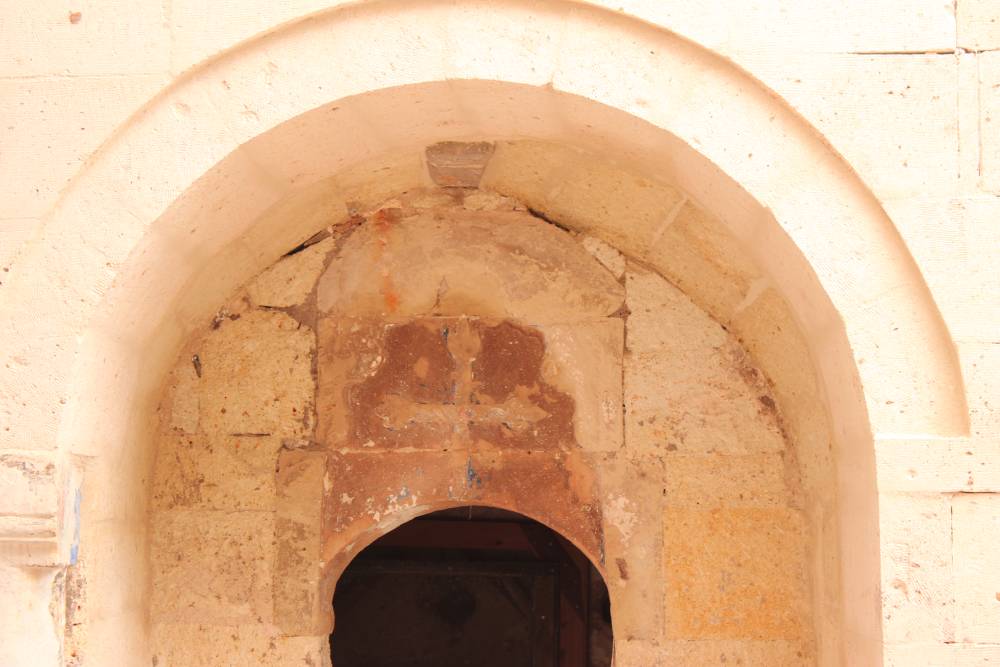
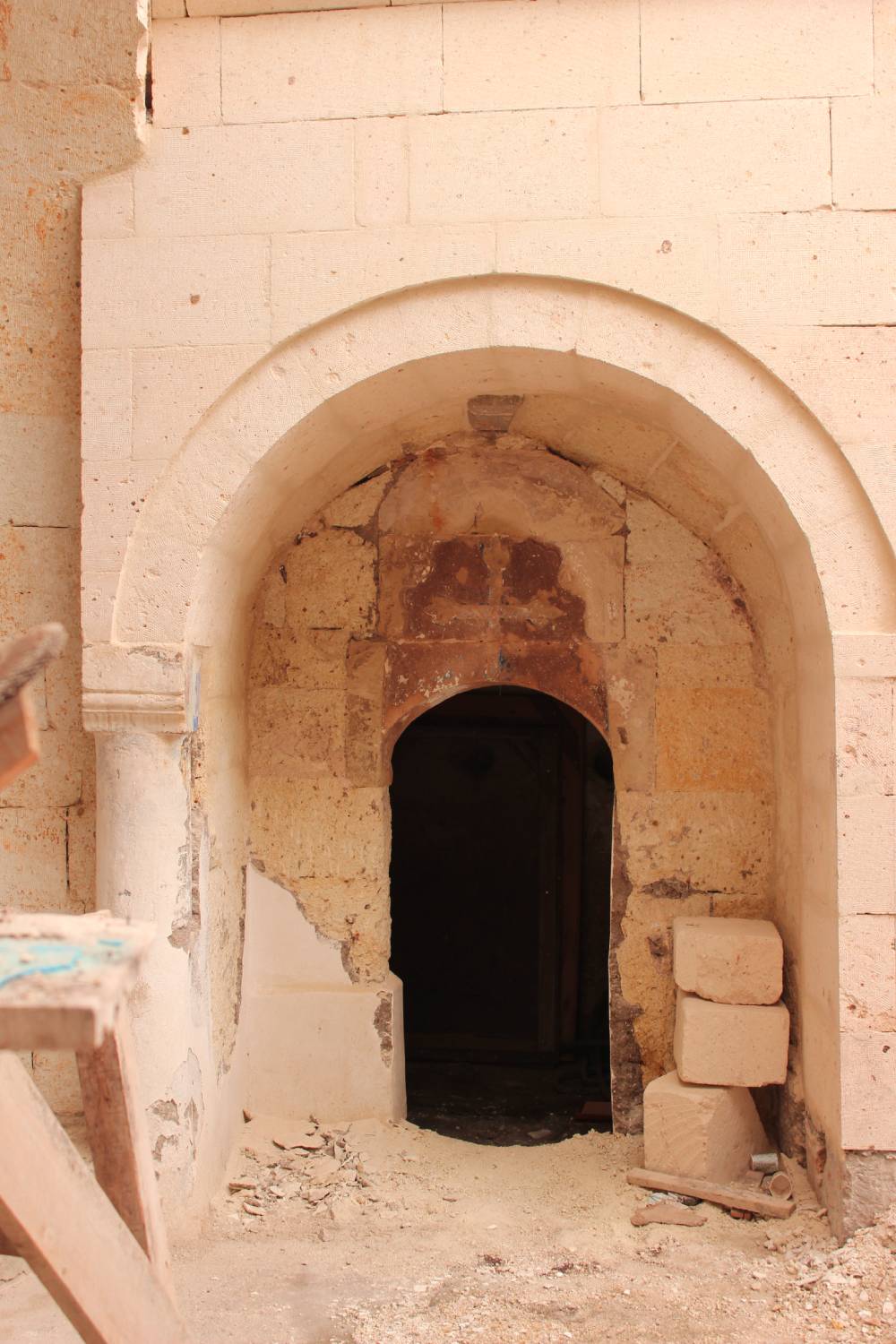
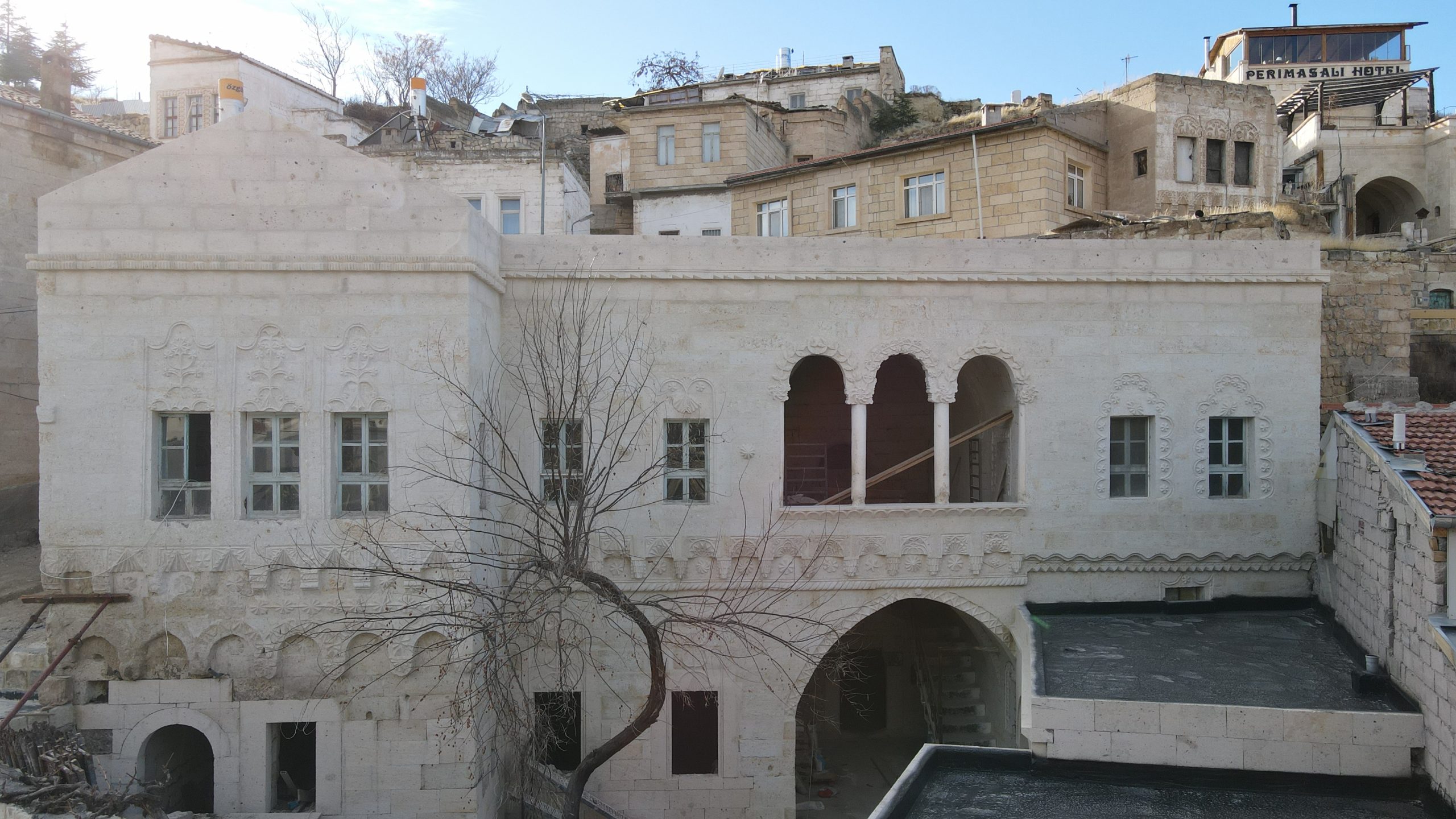
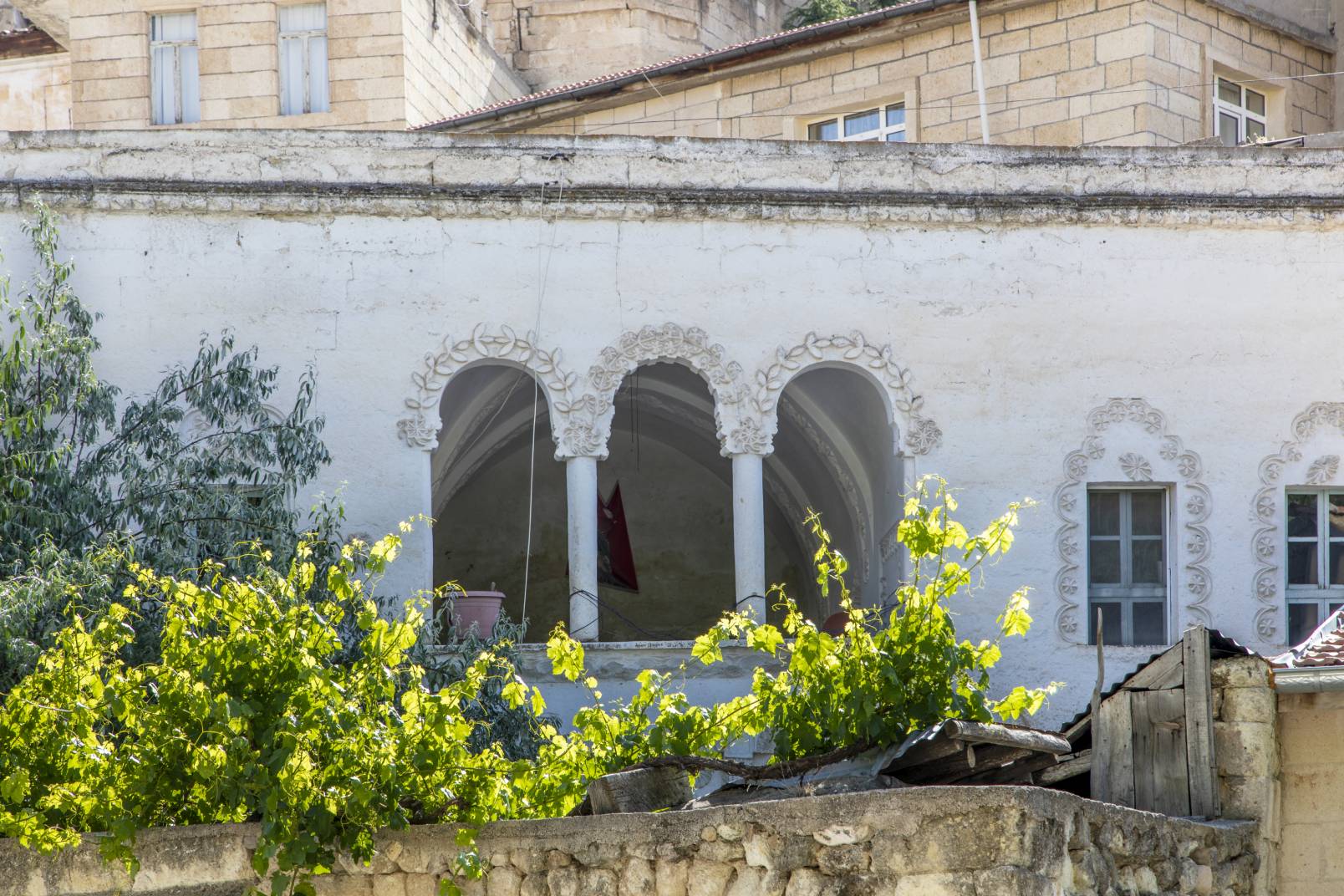
The entrance on the eastern facade leads to an open courtyard. On the northwest side of the courtyard stands a well-preserved chapel featuring a cross relief above its door. The walls of the building, constructed using the rubble masonry technique, are made of stone, while the doors, ceilings, and window elements originally utilized wooden materials. On the upper floor of the building, the “hayat” structure—one of the most important and characteristic spaces of traditional Ottoman residential architecture—stands out. This semi-open area on the building’s facade adds dynamism to the façade with its cylindrical columns and three semicircular arches. Right next to it, the stone consoles on the floor beams of the closed-bay section of the facade and the stone relief decorations on the upper part of the window frames also enliven the facade. Above the three windows here, there is a stylized tree of life motif. A bird figure placed atop the central depiction of the tree of life catches the eye.
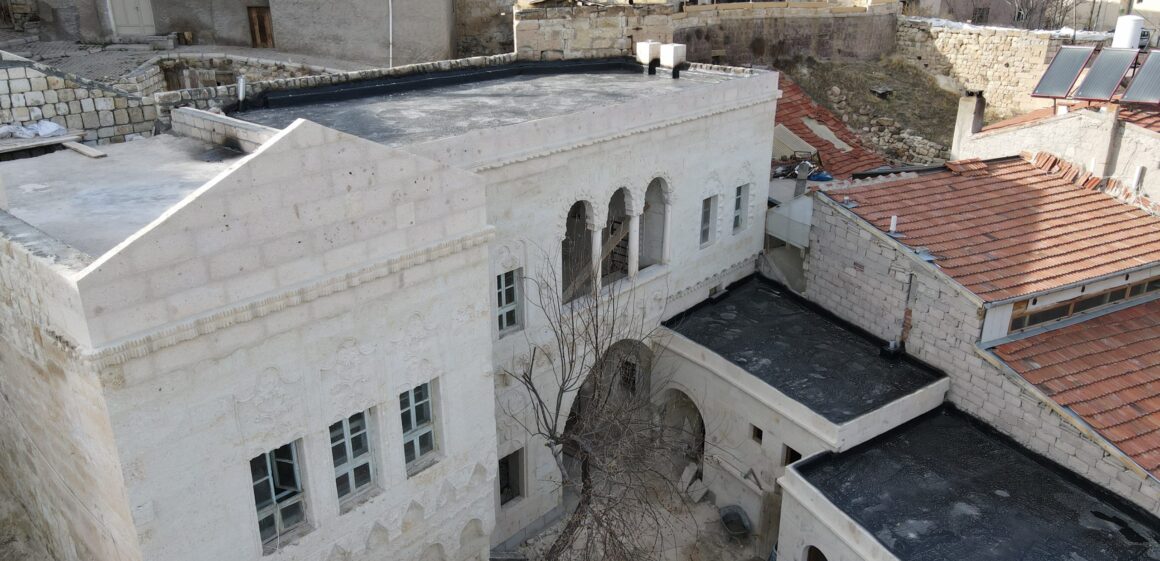
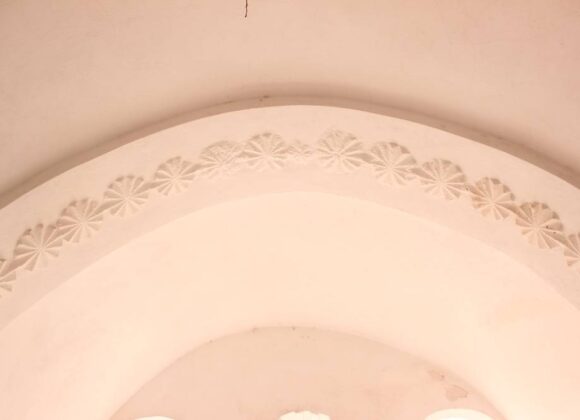
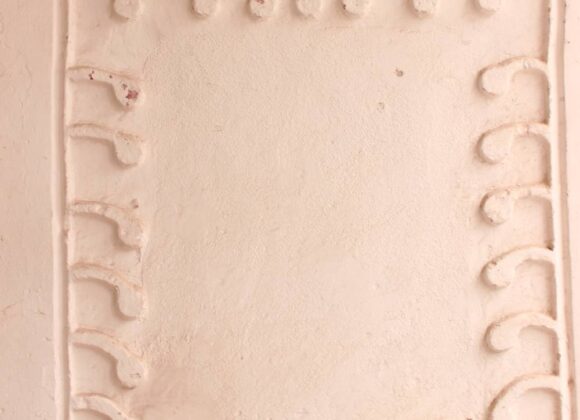
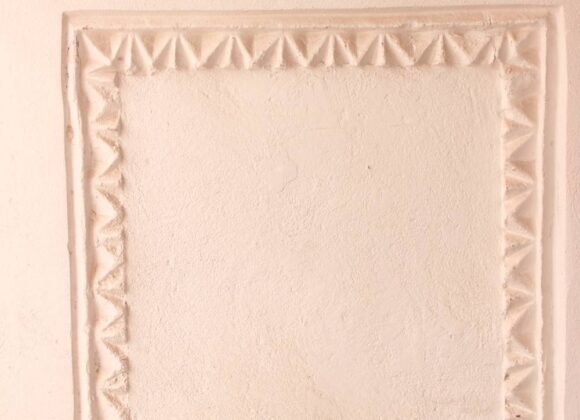
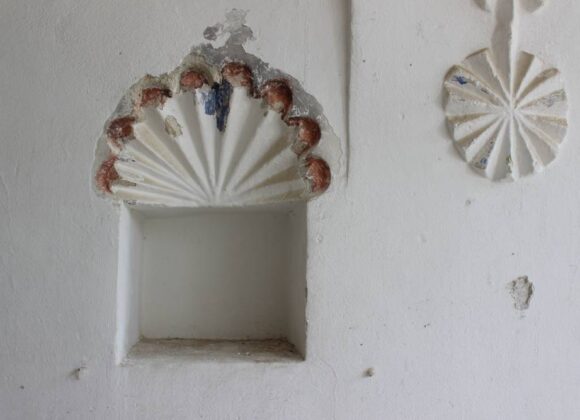
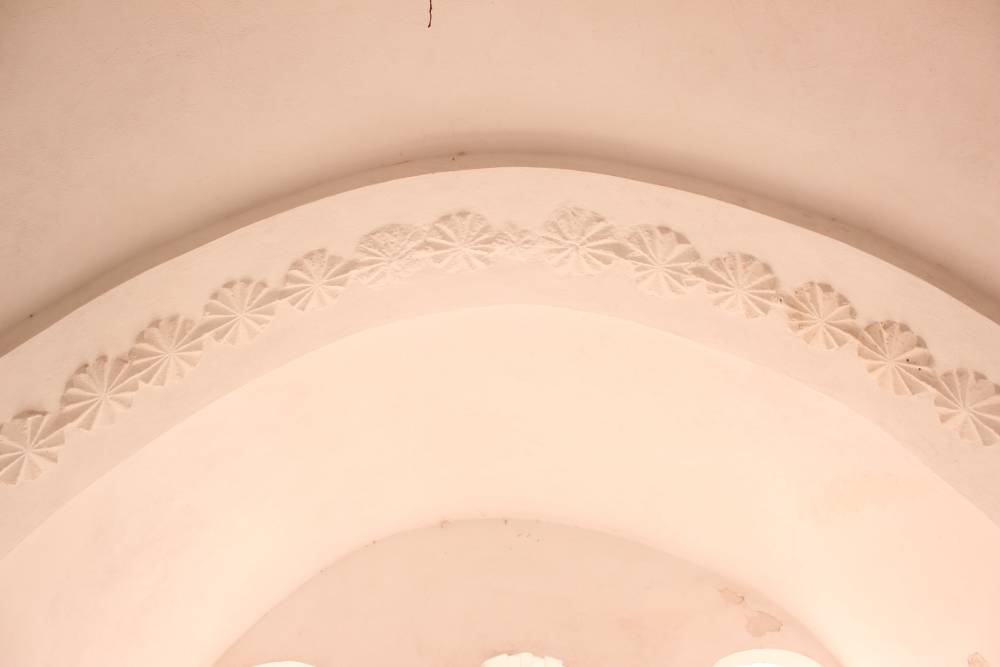
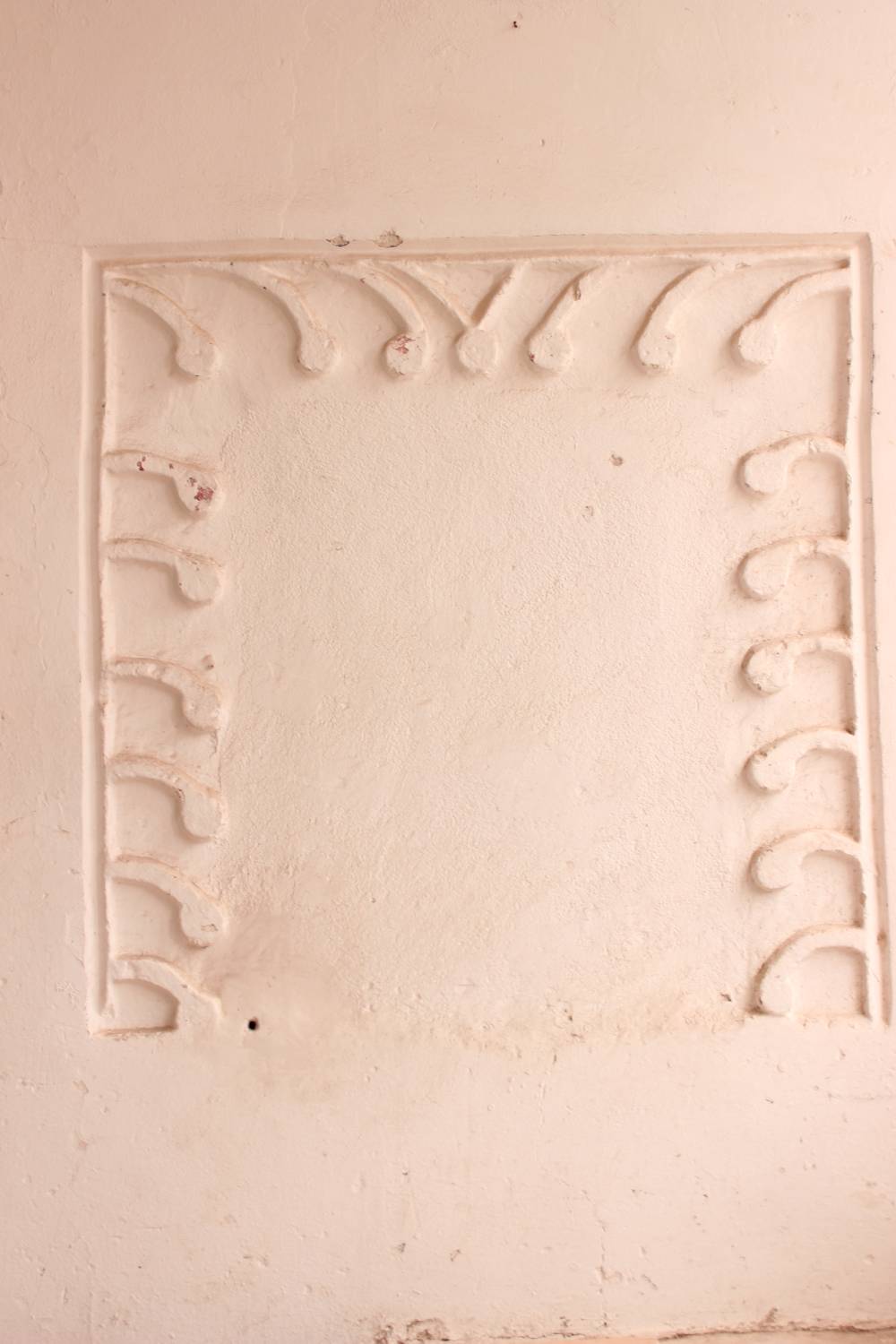
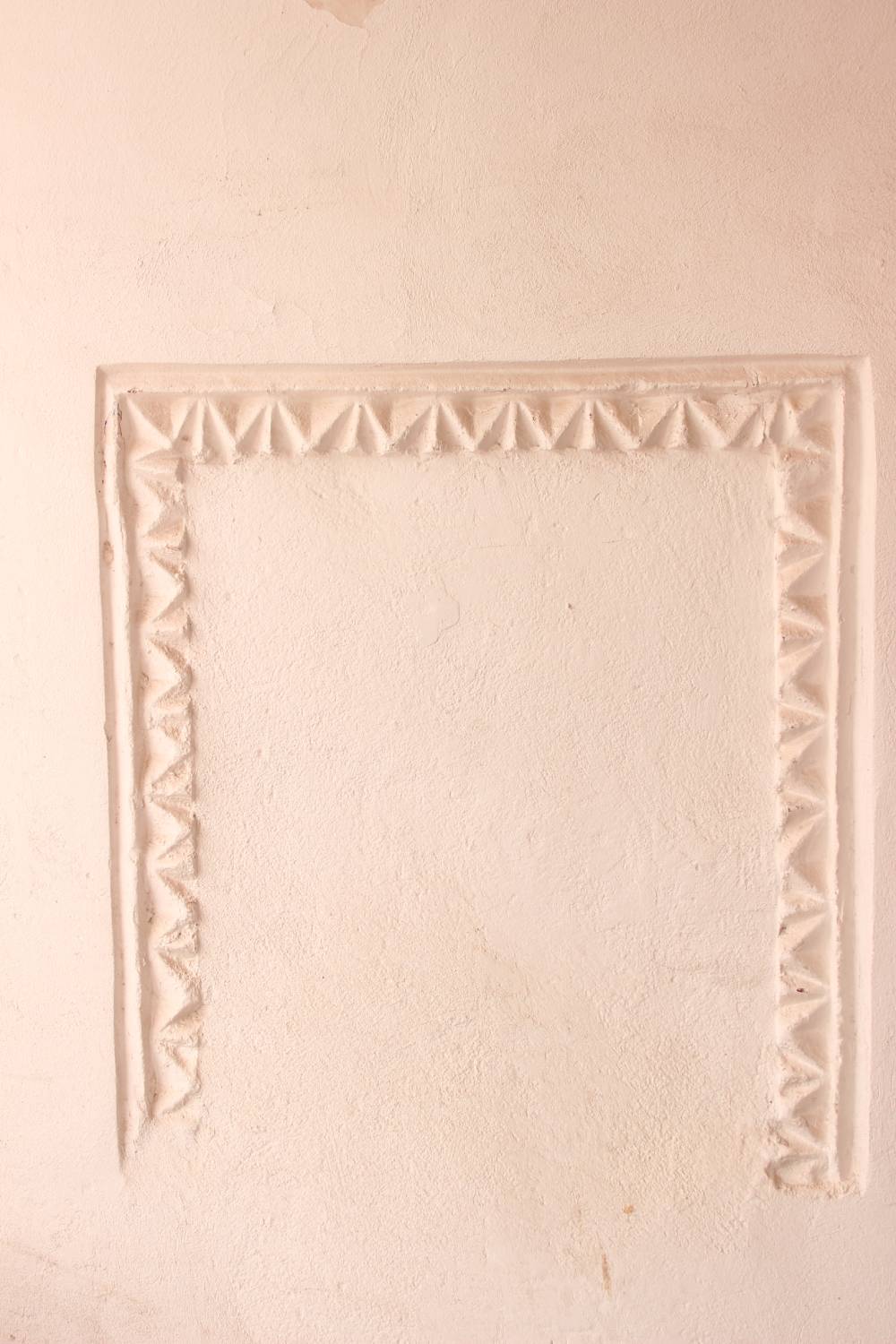
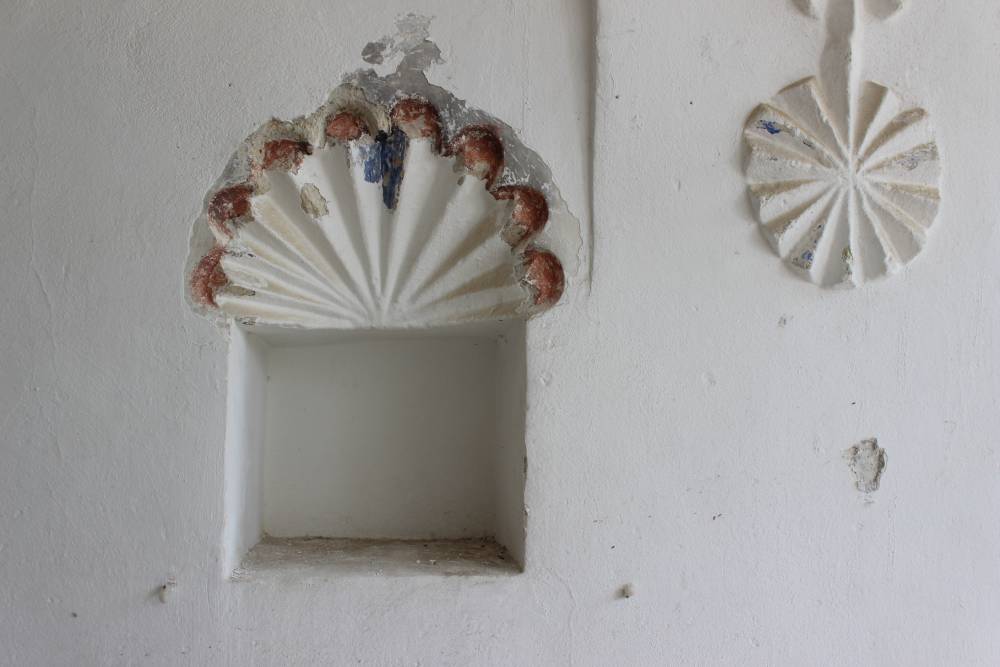
The architectural plastic ornamentation surrounding the windows and arches, intricately carved almost like lacework, reflects a fine example of the stone craftsmanship produced by the skilled stonemasons active in the region. Positioned diagonally opposite the mansion’s entrance, the later-added arched kiosk structure associated with the building resembles the “pavilion”-style architectural examples encountered in the village prior to the population exchange, many of which are known to have functioned as music halls.